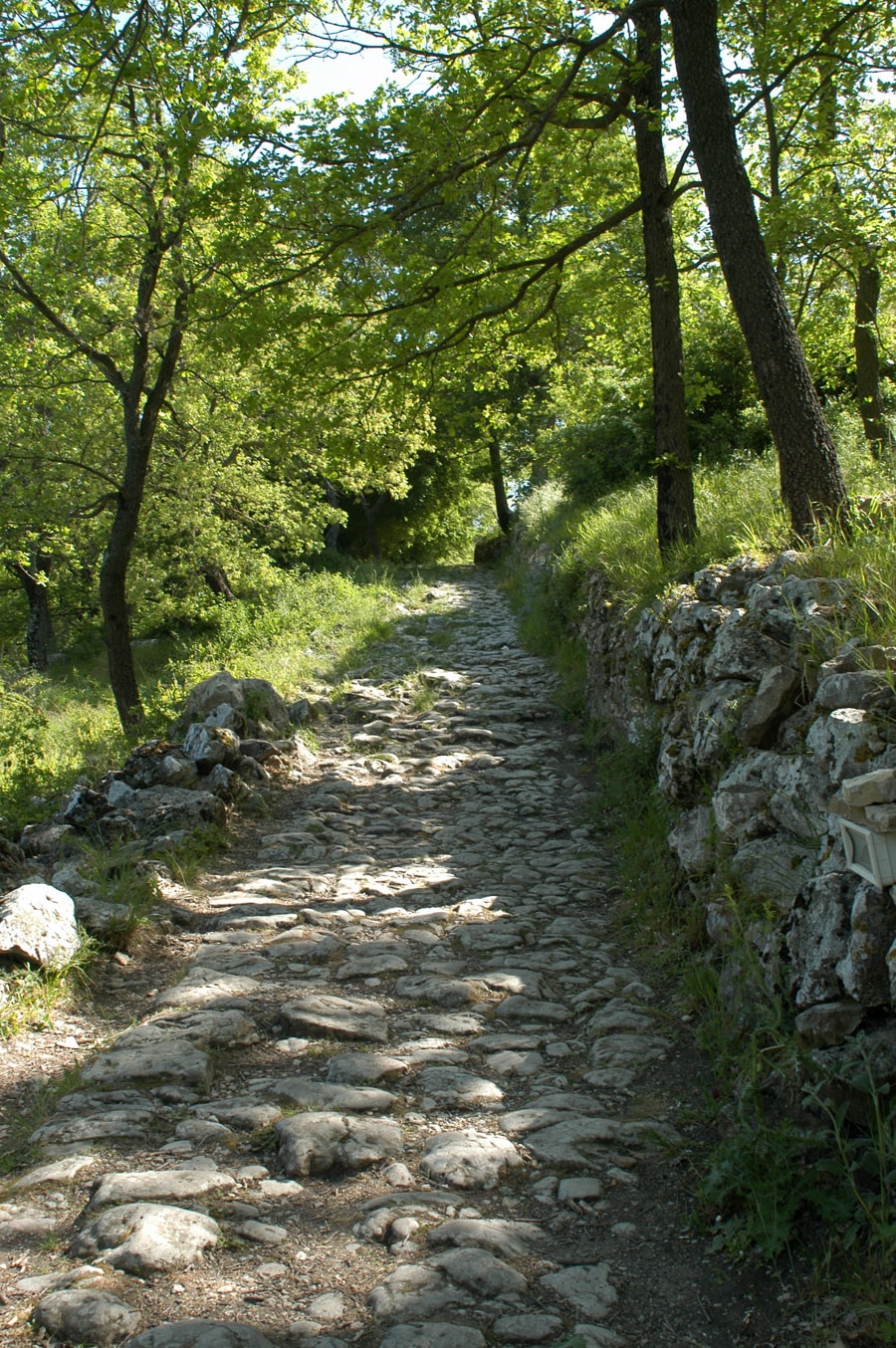
Rosary Walk part 2

Rosary Walk Rocky path

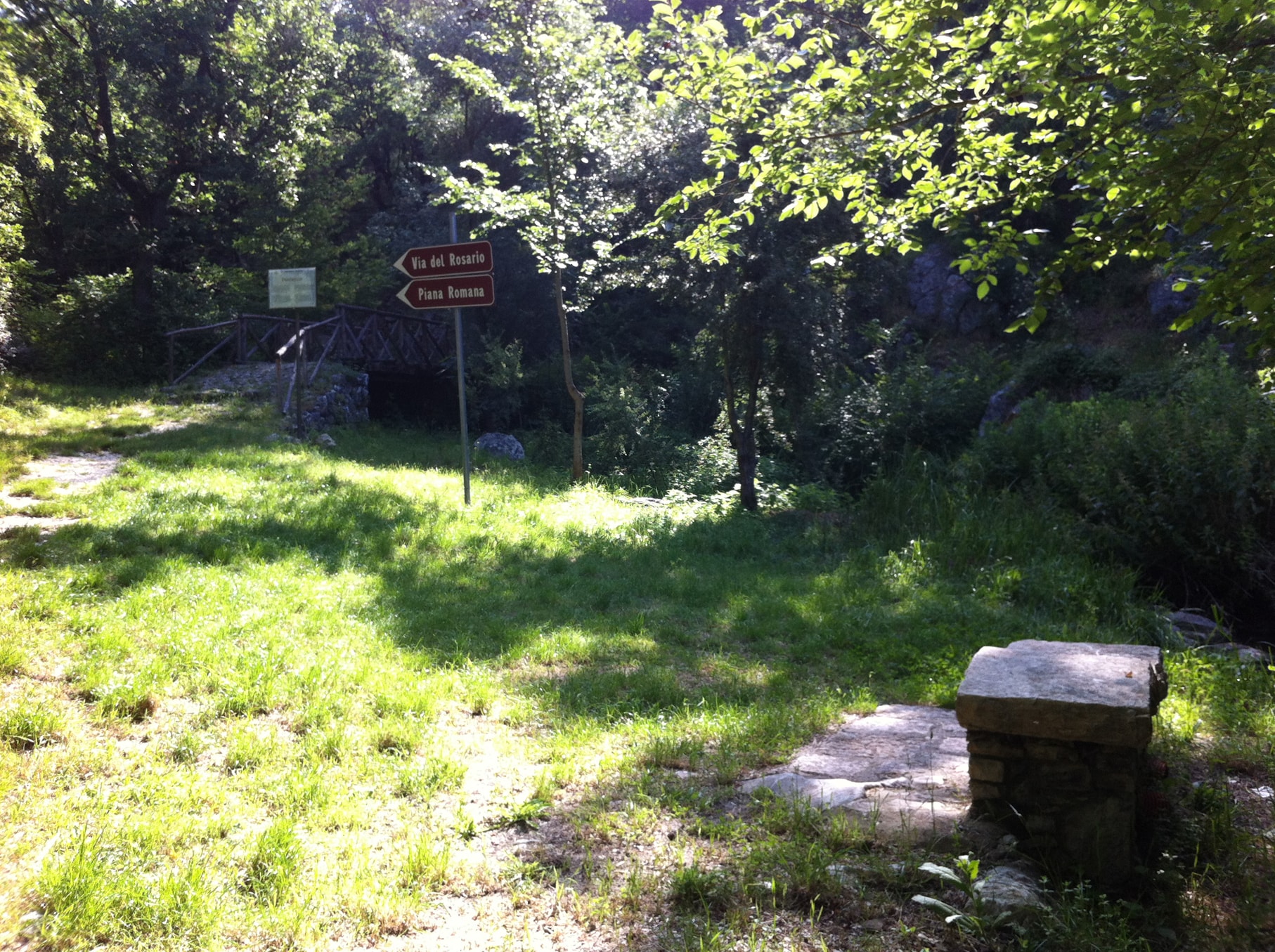
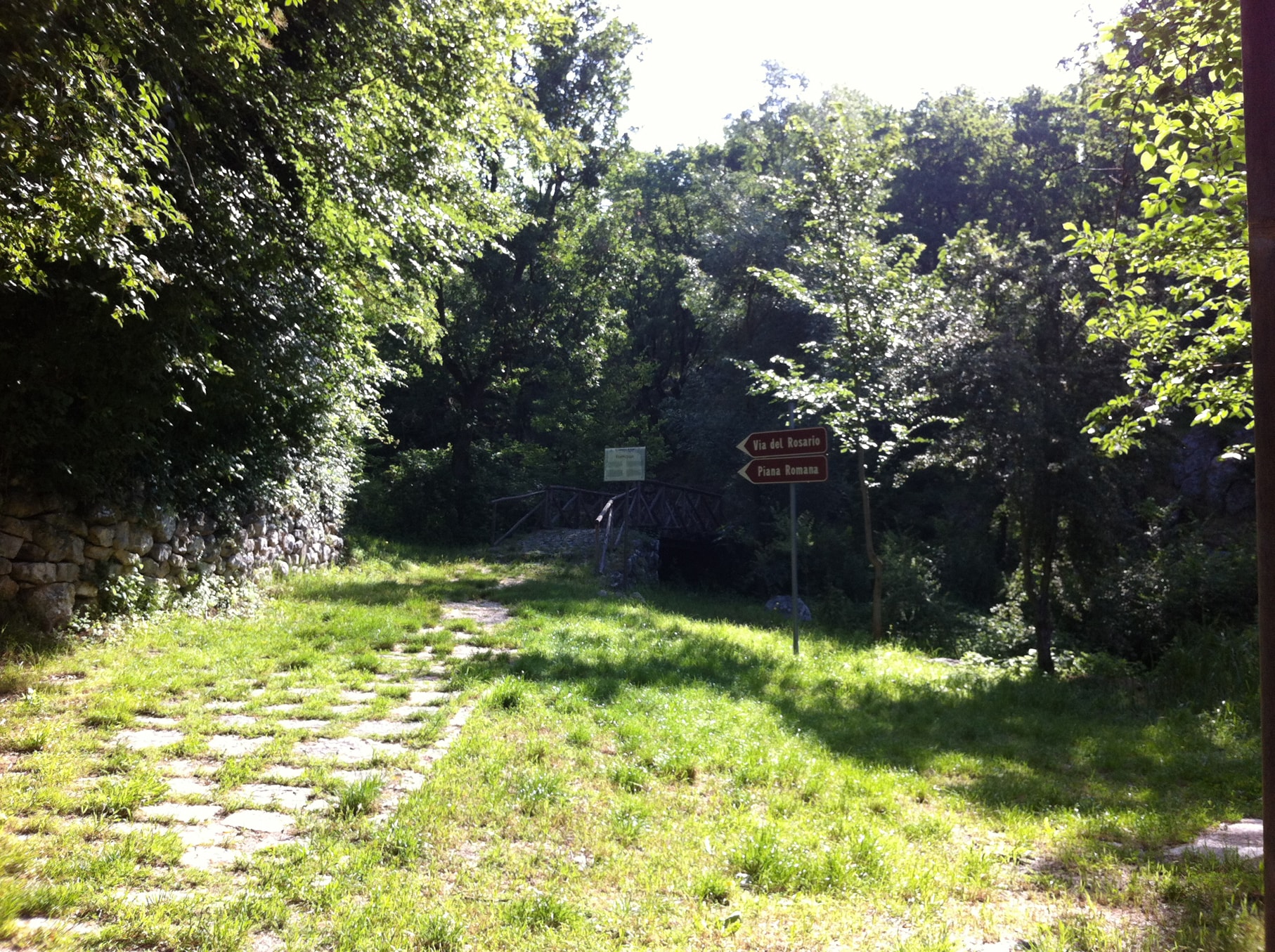
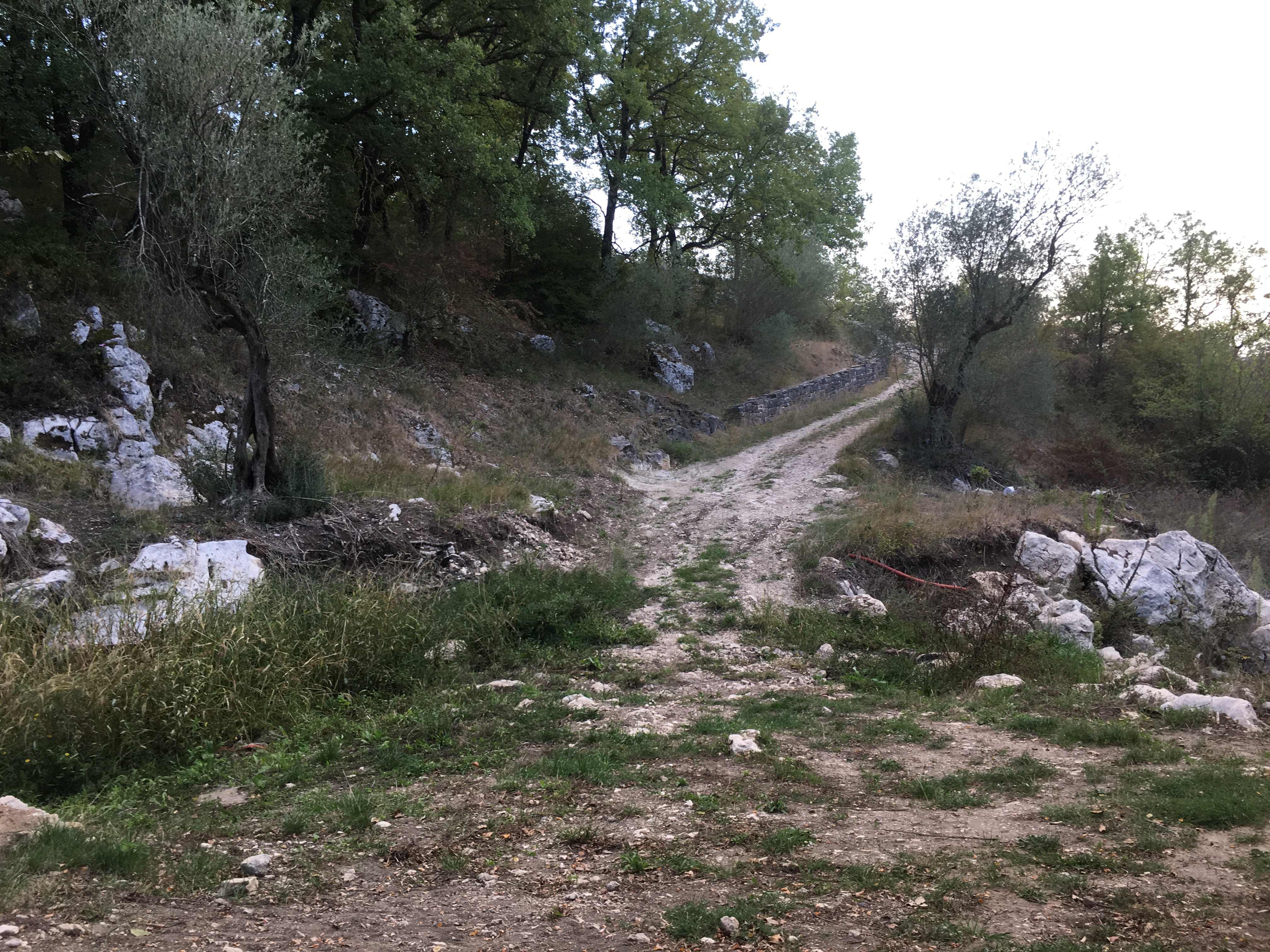
Leaving the bridge behind Padre Pio and his family would turn left and knew they were in for a climb up a rocky slope. I must admit, this section, although only about 100 meters long, is a bit of a challenge for the ‘over 60’s’. Still it is not so bad and we have done it many, many times.

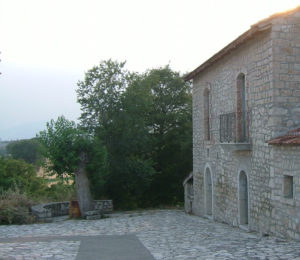
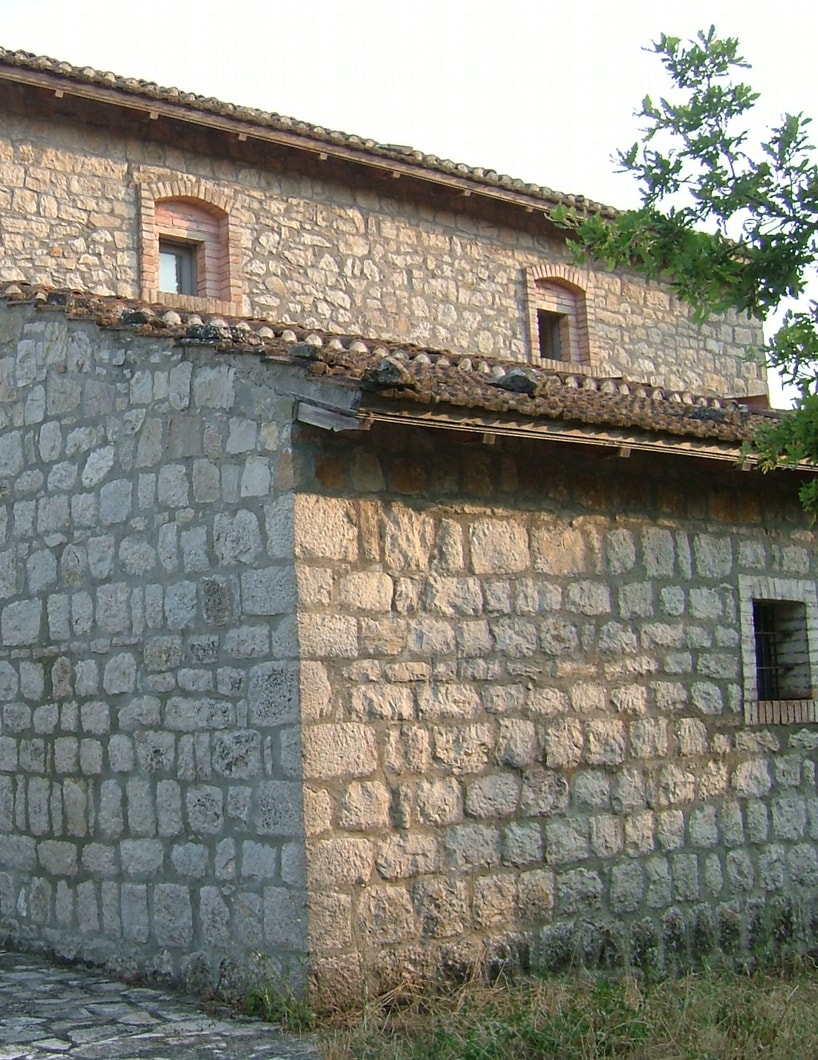
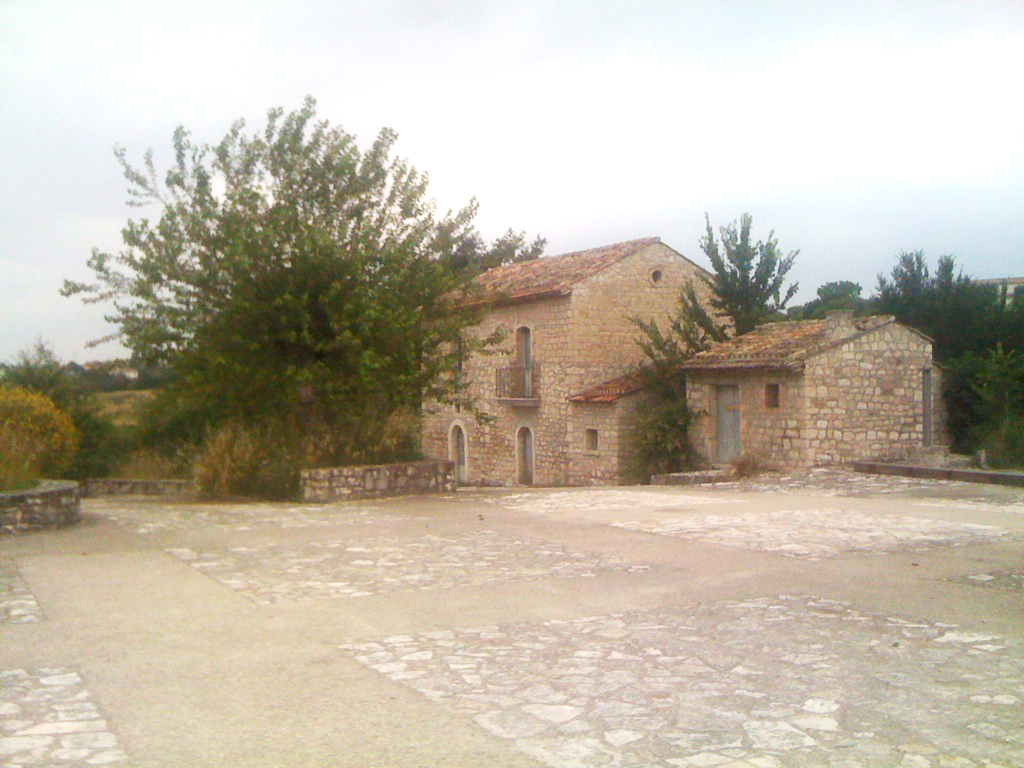
When the hill flattens out he would come to the farmhouse belonging to the Frangioso family. Perhaps he stopped and said “Buongiorno” or “Buona sera”. He might even have stopped for a friendly chat or said a quick prayer with them.

Whatever the significance, the last owner of the house who lived in America, left it to the town in her will and it is preserved and looked after by the Commune in Pietrelcina.
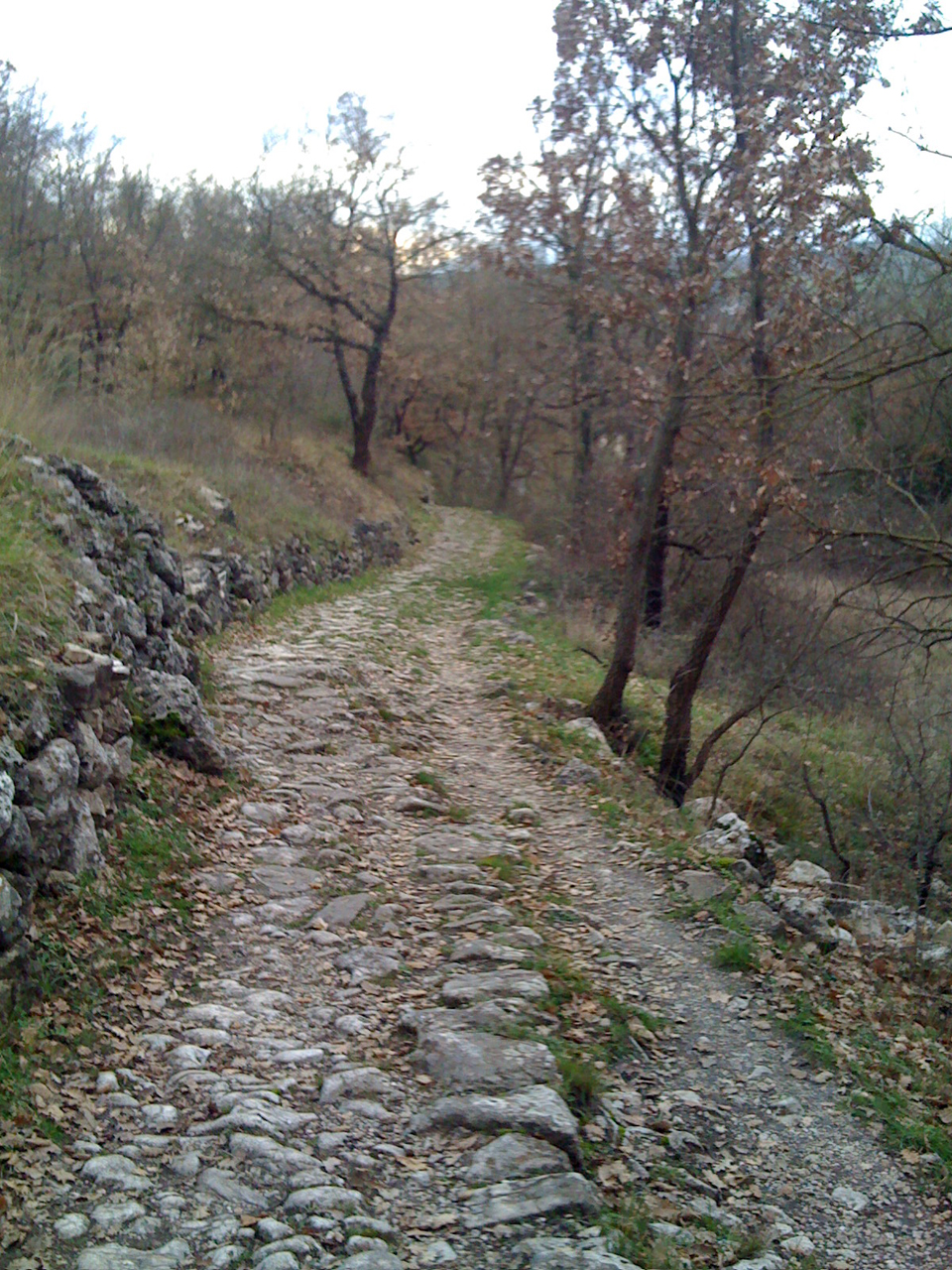
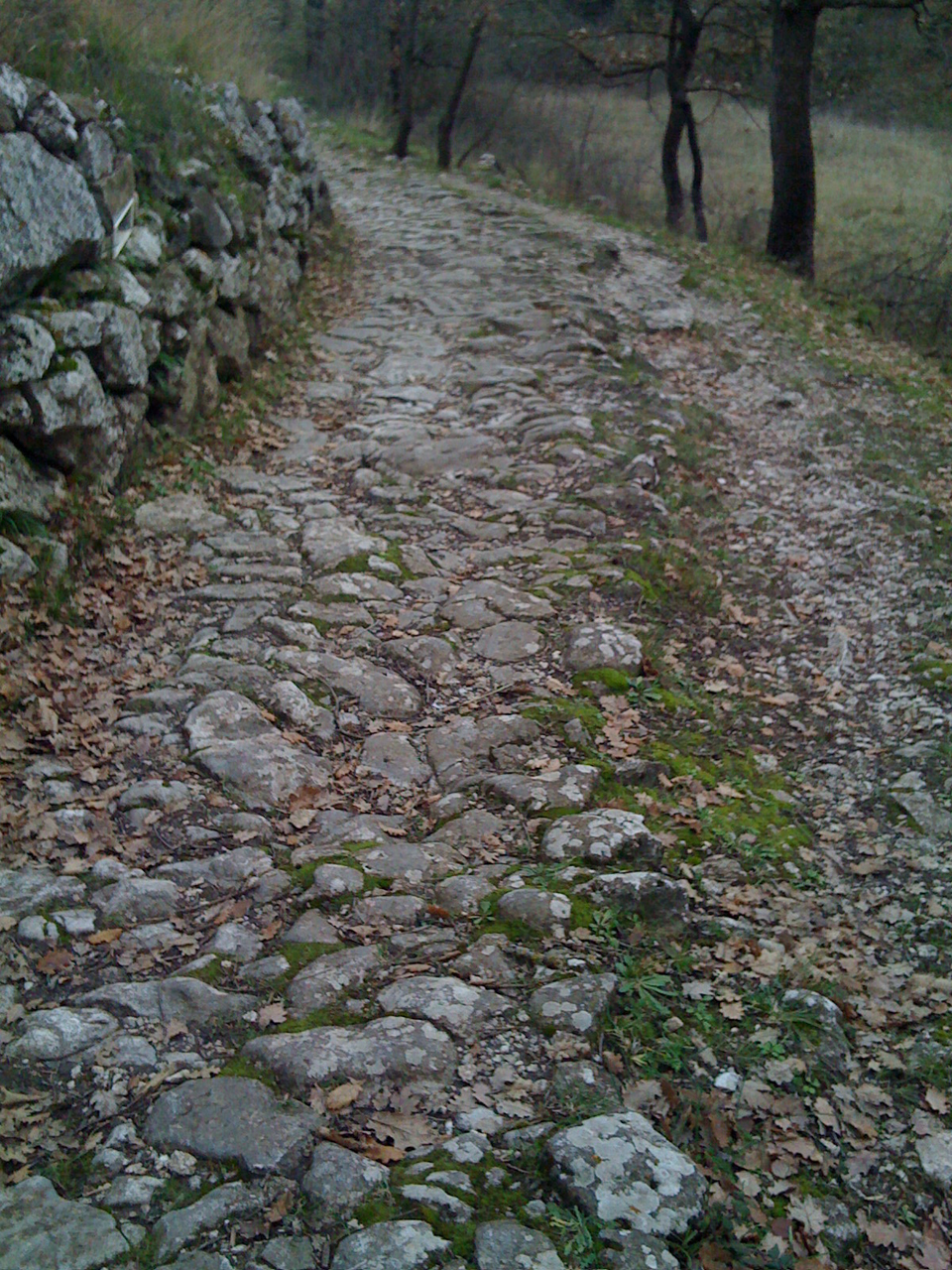
Rosary Walk Rough part


Stone farmhouse on Rosary Walk

Front of houseSince we are now in the 21st century, we can use an image from Google maps, to show the two routes you can take when you reach the stone farmhouse. You can keep going straight on the rough path or you can take a temporary diversion by entering into the paved area in front of the house. This will take you back to the Rosary Walk in 50 meters by a more manageable route.
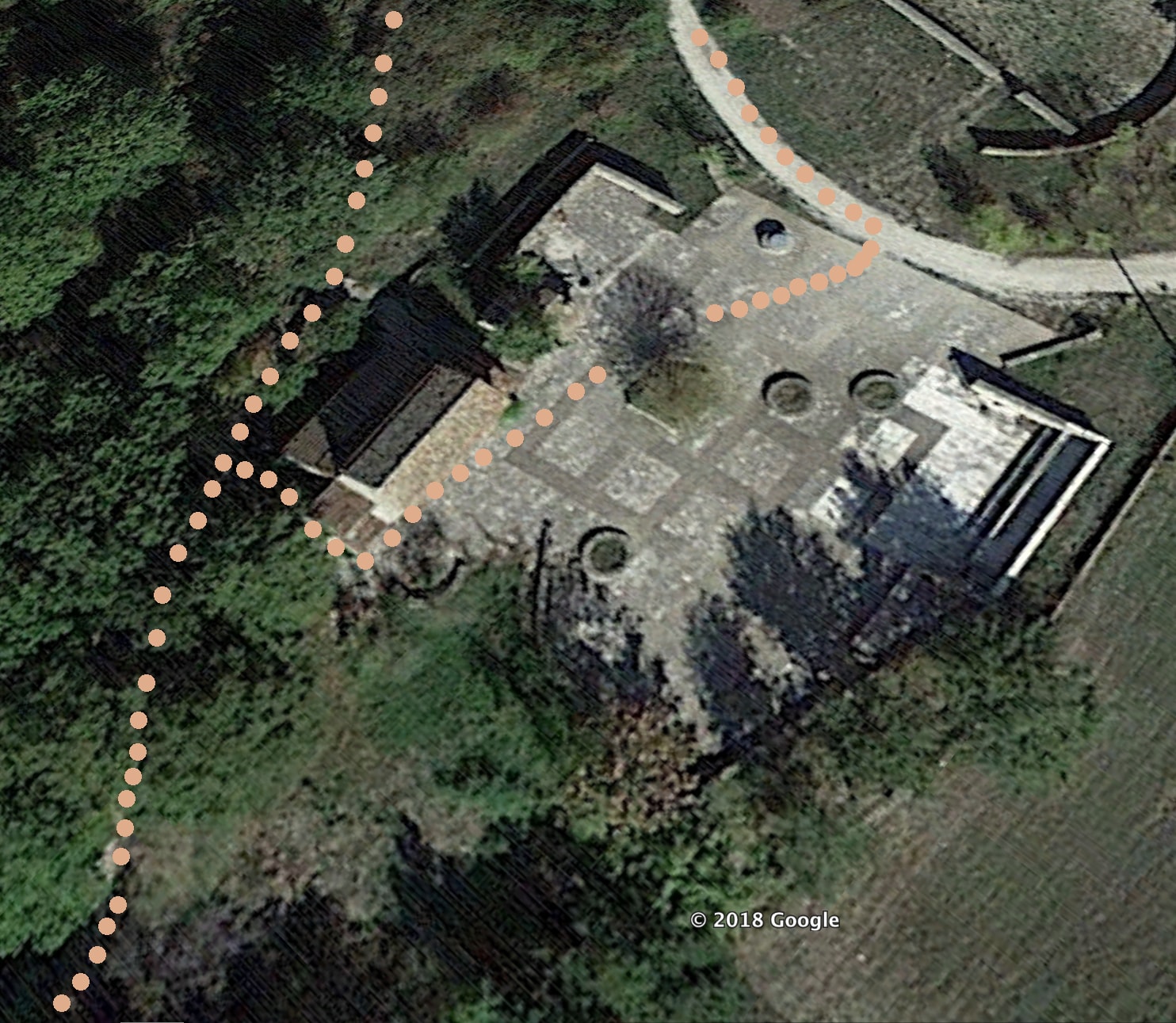
Choice of turn on Rosary Walk


Rosary Walk Top alternate pathEither way, you will soon pass some farmhouses and all the rough ground will be behind you.  The shady, closed views of the path will now open up into wide vistas of farmland and vines
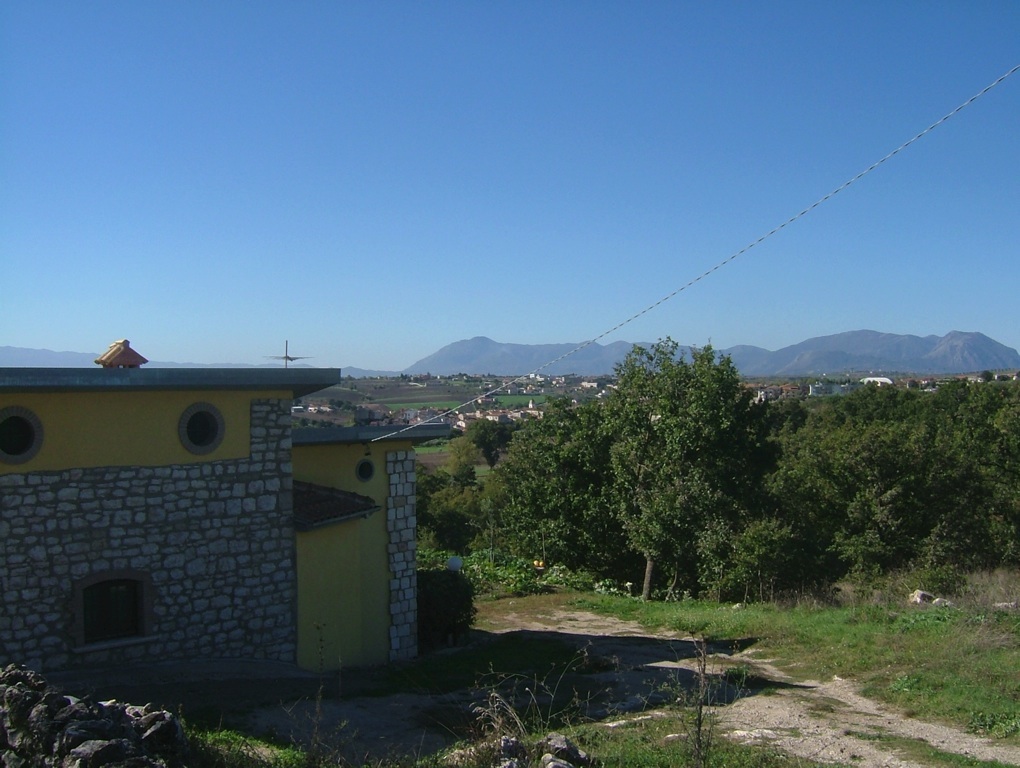


You will now be able to travel along well maintained roads and, like Padre Pio before you, you have now reached the plain of Piana Romana

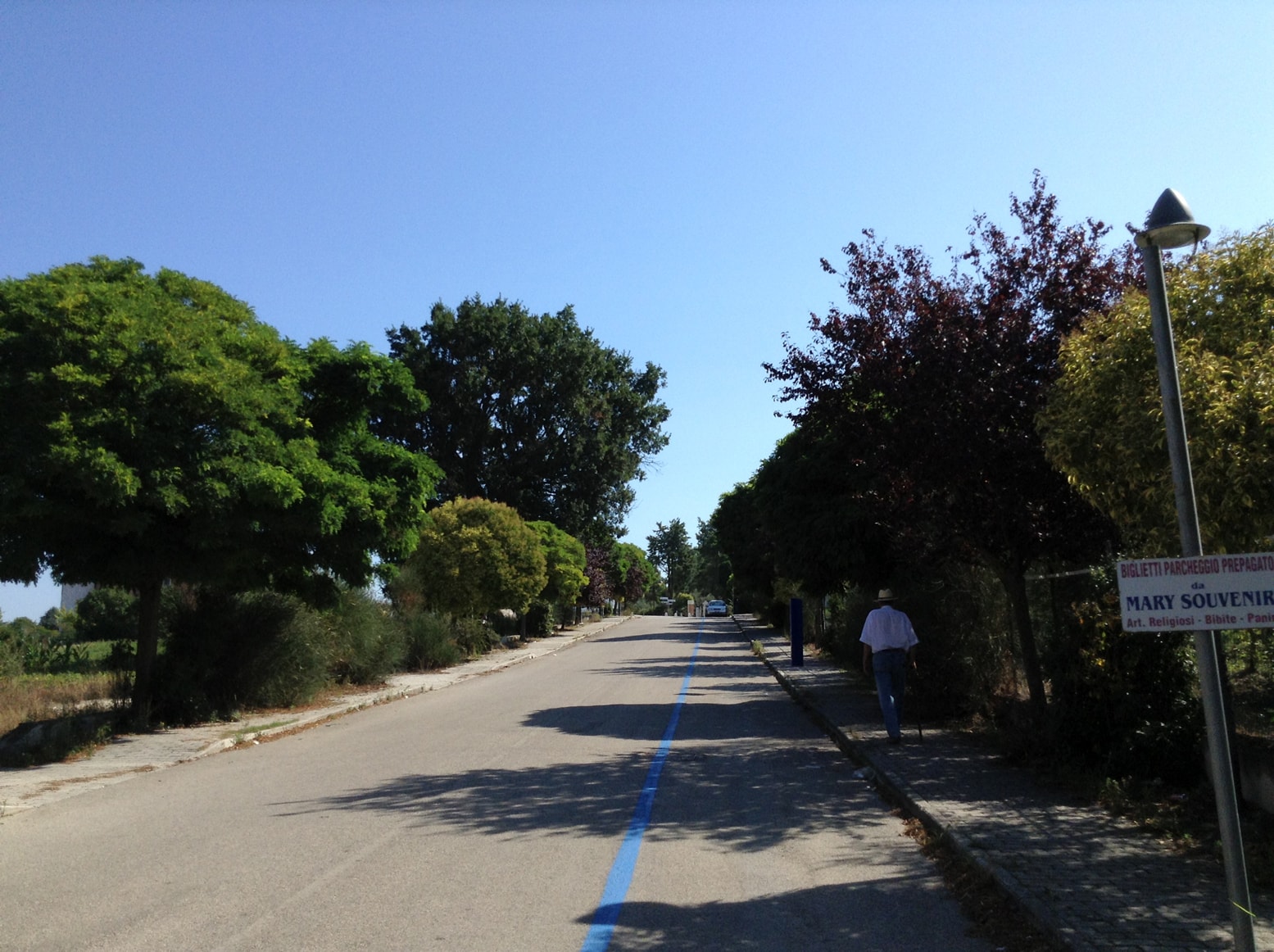
The roads here are well signposted and it is about a 15 minute walk to reach the shrine
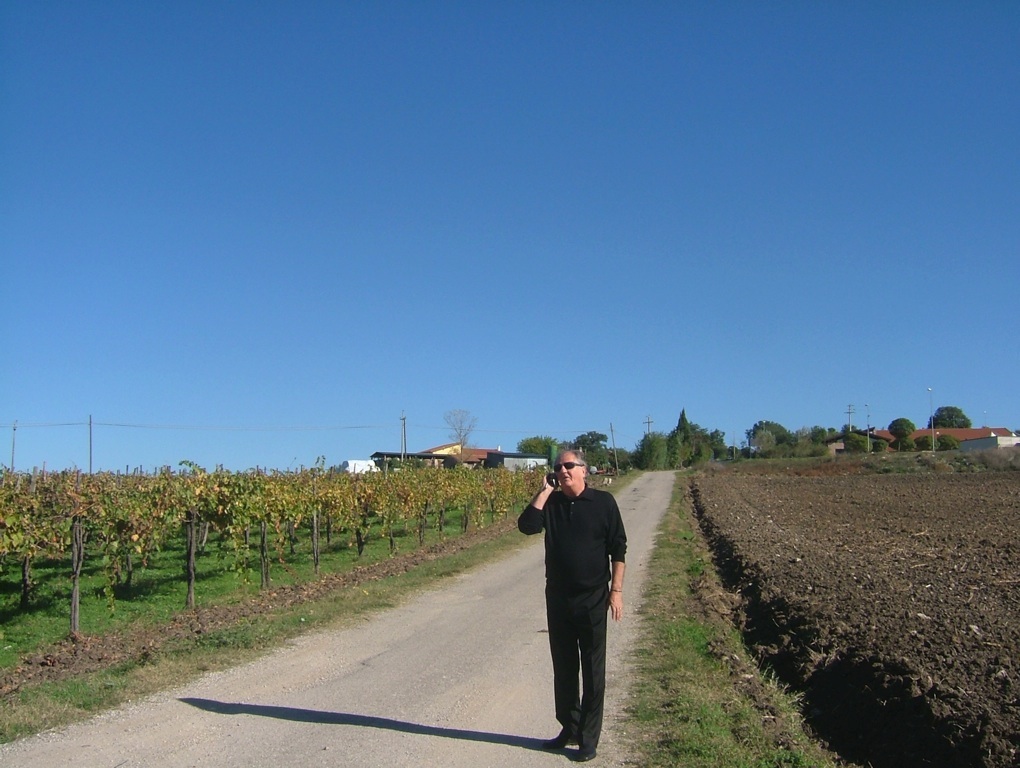

The Open Plain of Piana Romana


You will now be able to travel along well maintained roads and, like Padre Pio before you, you have now reached the plain of Piana Romana

The roads here are well signposted and it is about a 15 minute walk to reach the shrine
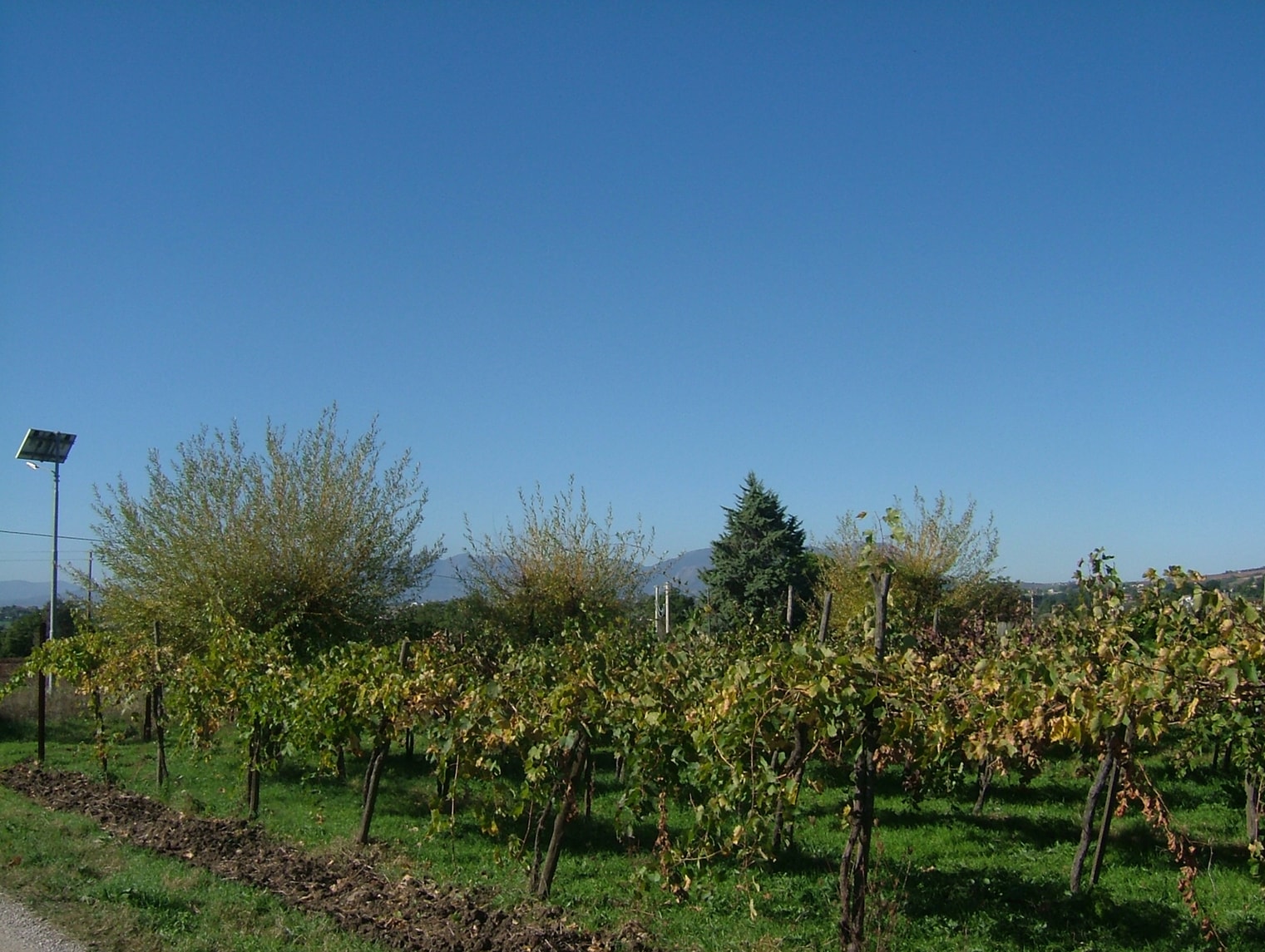

Road leading to the gates


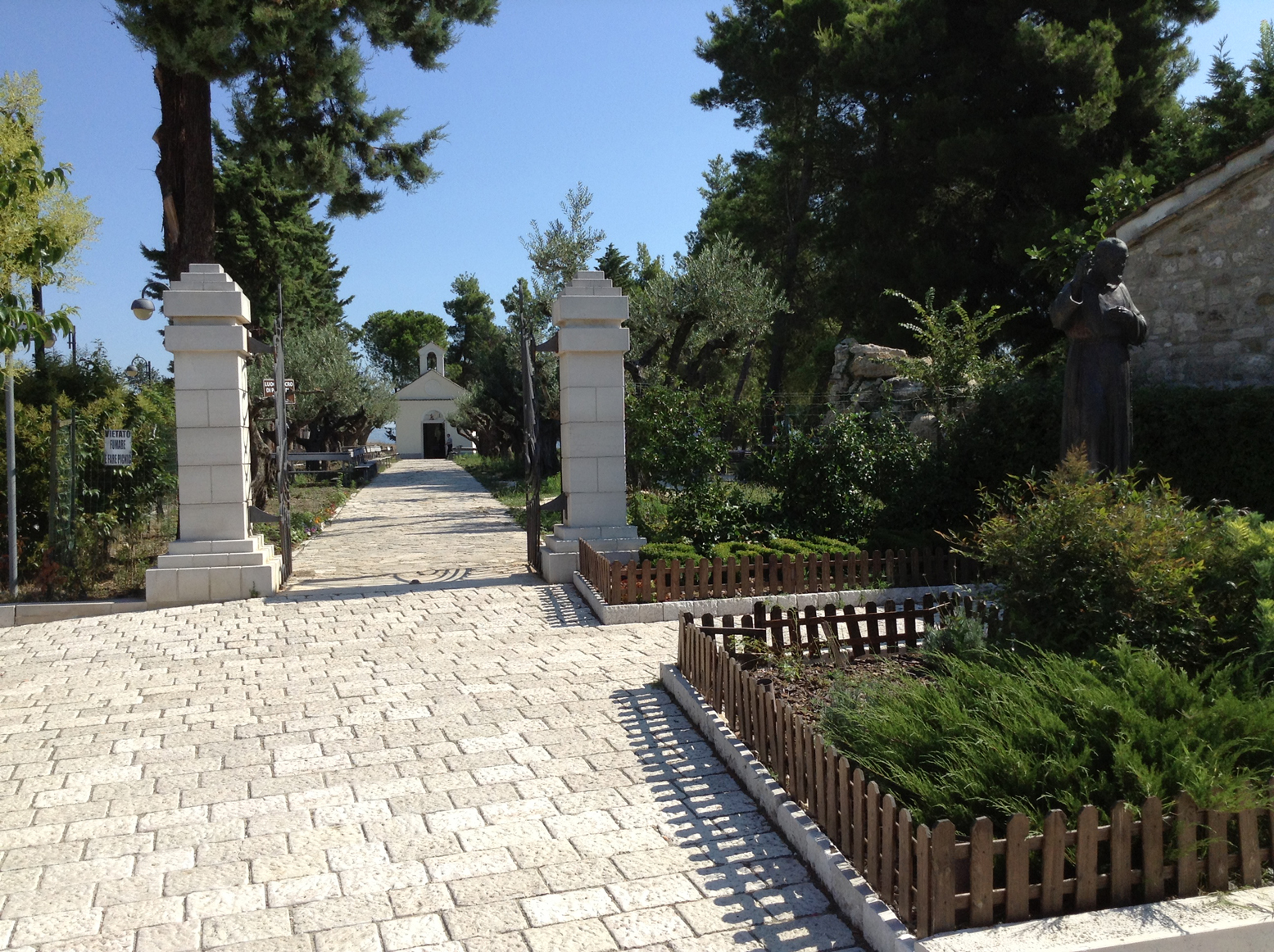
Piana Romana Gates to Chapel


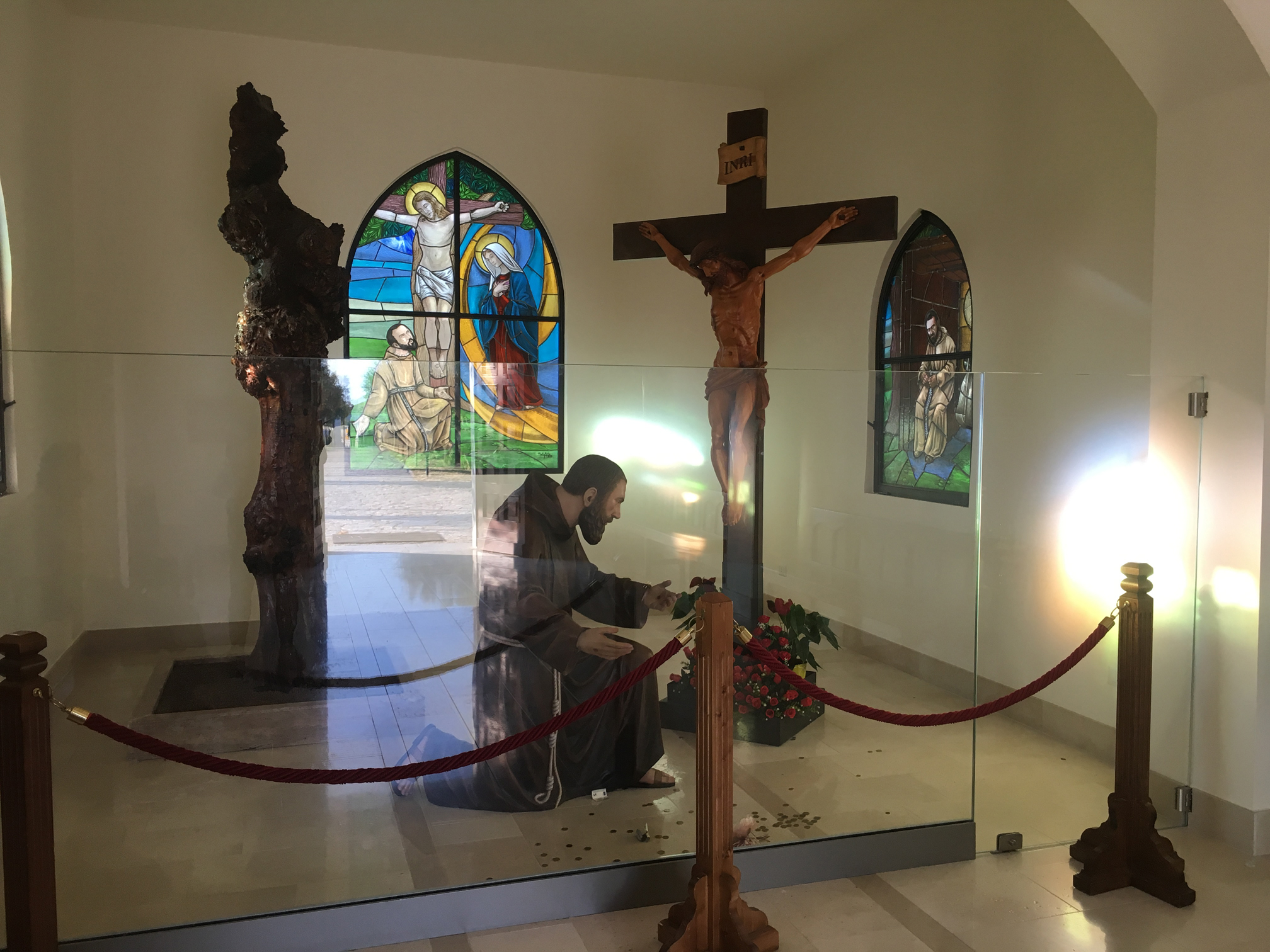
You have arrived. This is where it all began.
Deo Gratias

Video made in 2010 from a collection of photos
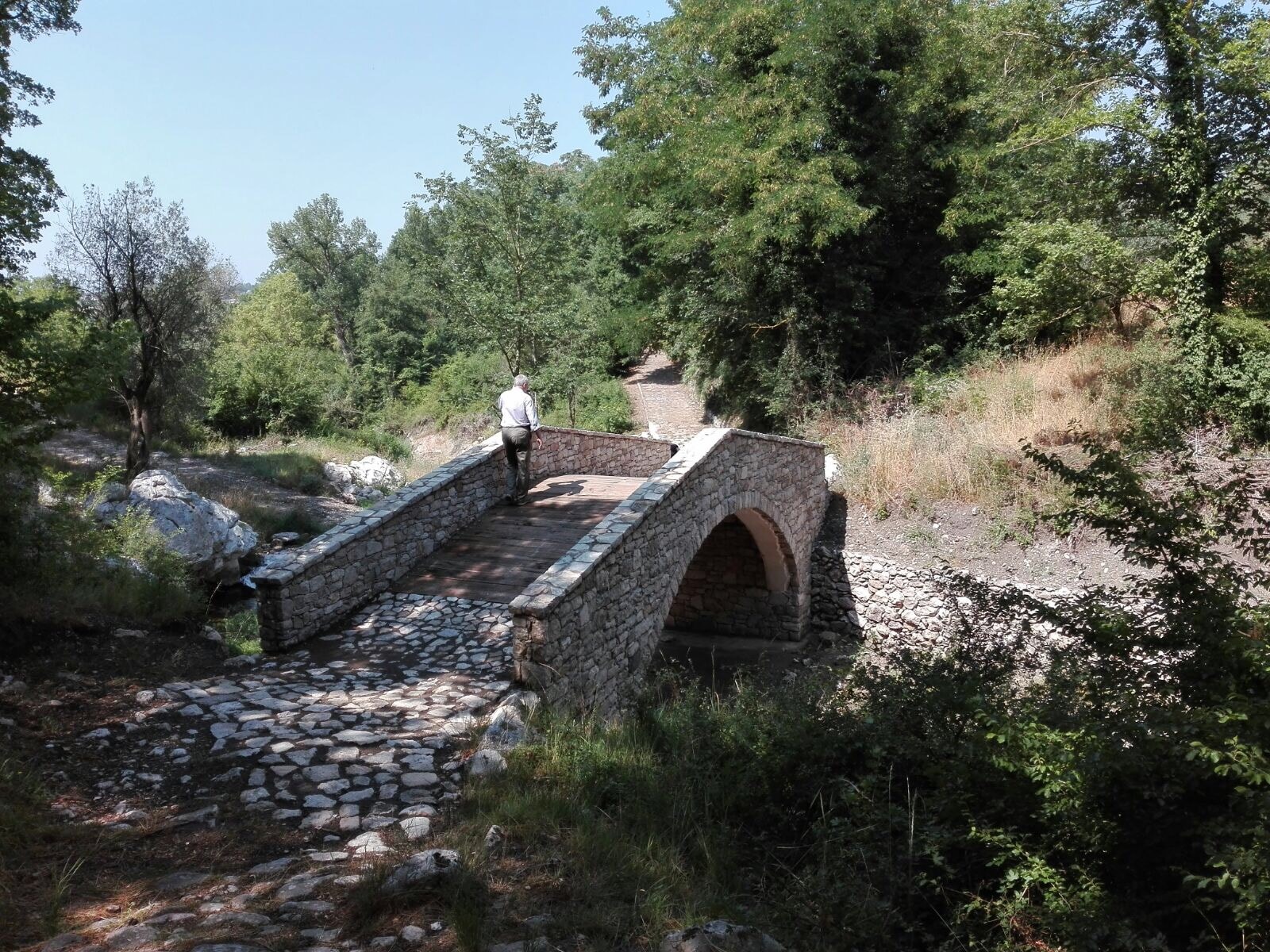
The Rosary Walk Bridge

The new Rosary Walk Bridge

This is the bridge at the half-way point in the Rosary Walk.
The above image was taken earlier this year and shows how it looks today. 
This is the story of its re-construction

During the night of the 14th October 2015, an extraordinary weather event took place over the Campania region.The following excerpts are taken from the geographical report published in February 2016 by the ‘Rendiconti Online Societa Geologica Italiana’

“On the night between 14th and 15th October 2015, a destructive overflow of the Calore River caused severe damage in the town of Benevento and the surrounding area (i.e., the Sannio area), causing two fatalities. Approximately three centuries ago, on May 23th 1729, while visiting Benevento, Pope Benedict XIII, stated that this town would be much more threatened by the floodings of the Sabato and Calore rivers than by earthquakes (Zazo, 1986; Mazzacca, 1992). These words were not fully considered worthy of attention at that time, and indeed neither in the following centuries, notwithstanding the fact that damage caused by floods in the main town of the Sannio region was often considerable.

The flood event on 14th-15th October 2015 in Benevento significantly affected the natural landscape and human settlements too. This event was very similar to the previous events, such as the flood in Benevento on 2nd October 1949, when the Calore River caused damage to properties and twenty casualties. ….

The area affected by the rainstorm during 14th and 15th October 2015 was the central-southern area of Italy, where many rivers overflowed. However, the rainstorm was particularly intense in Benevento and its surrounding areas. This territory mostly coincides with the Calore River basin. The Calore River originates from the Accellica Mount, in the central part of the Campania region and it crosses the town of Benevento. …….

The reason I am mentioning this detail is because it is important to know just how widespread and devastating this flooding event was.
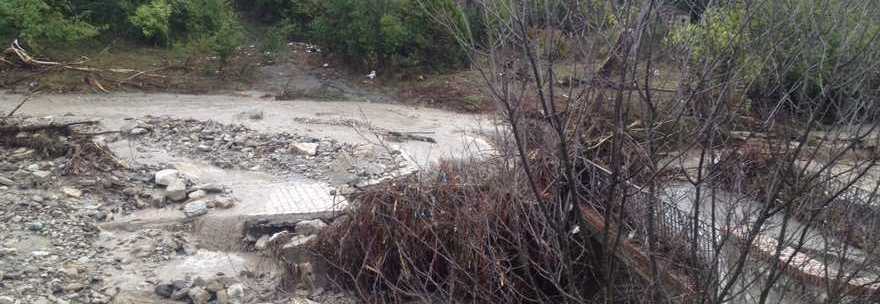
Considering that Pietrelcina is criss-crossed by many small rivers and is part of the Benevento area, it follows that it sustained a lot of damage. 

Fortunately it happened during the night therefore there were few people about and no one was near the bridges. However, some residents did go and investigate to see what was happening and witnessed a great wall of water crashing through the small rivulets around the town.

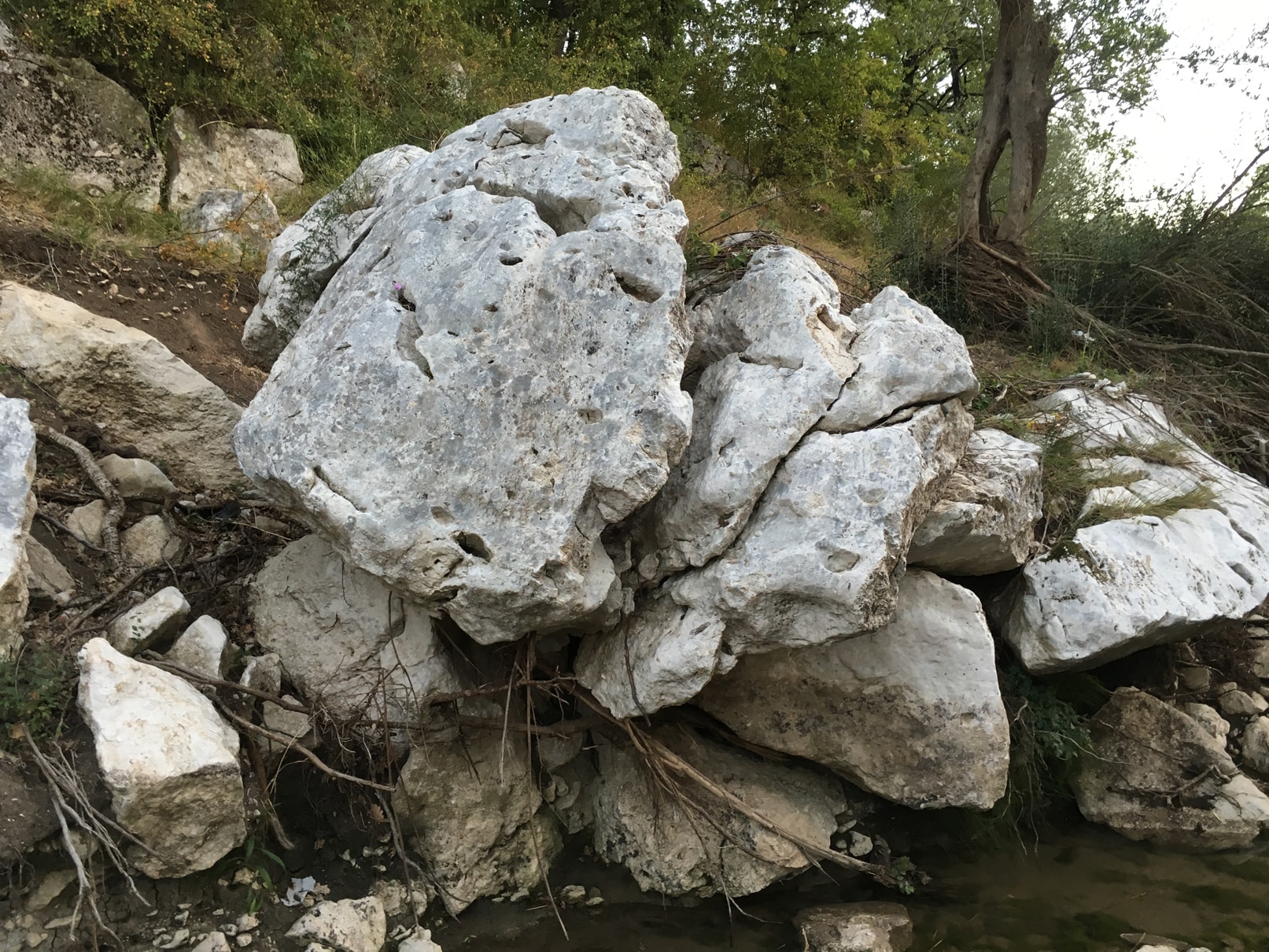
The noise was horrendous as it carried away huge boulders, bridges and even some livestock in its path. Trees which had stood along the riverside where swept away like toothpicks and after the surge had passed great gullies had been created filled with mud, debris and huge boulders. 


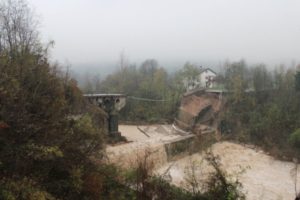
Bridge damage near town
Flooded start of the Rosary Walk – It remained impassable for months

Massive boulders
Boulders around the Rosary Walk Bridge

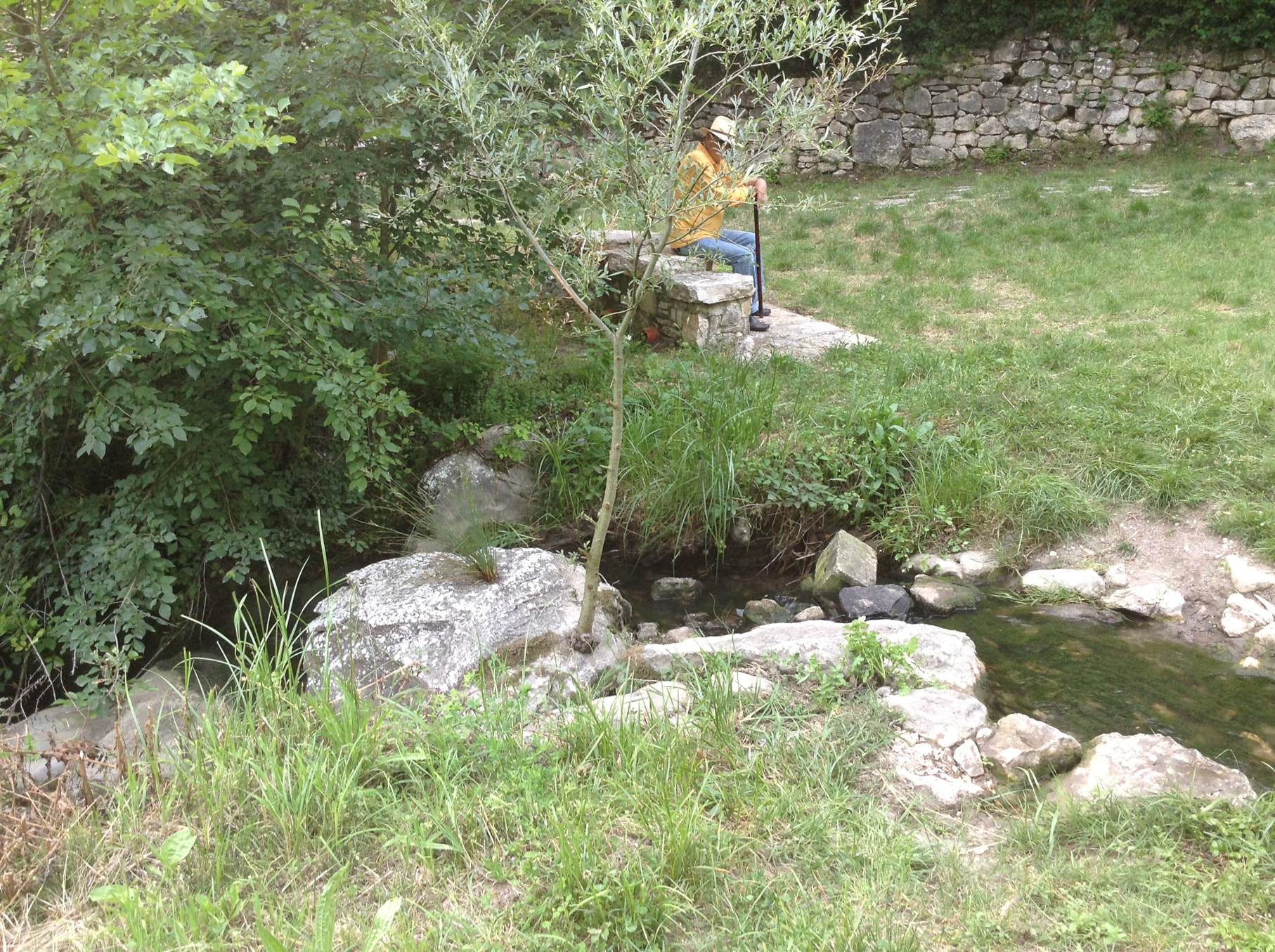
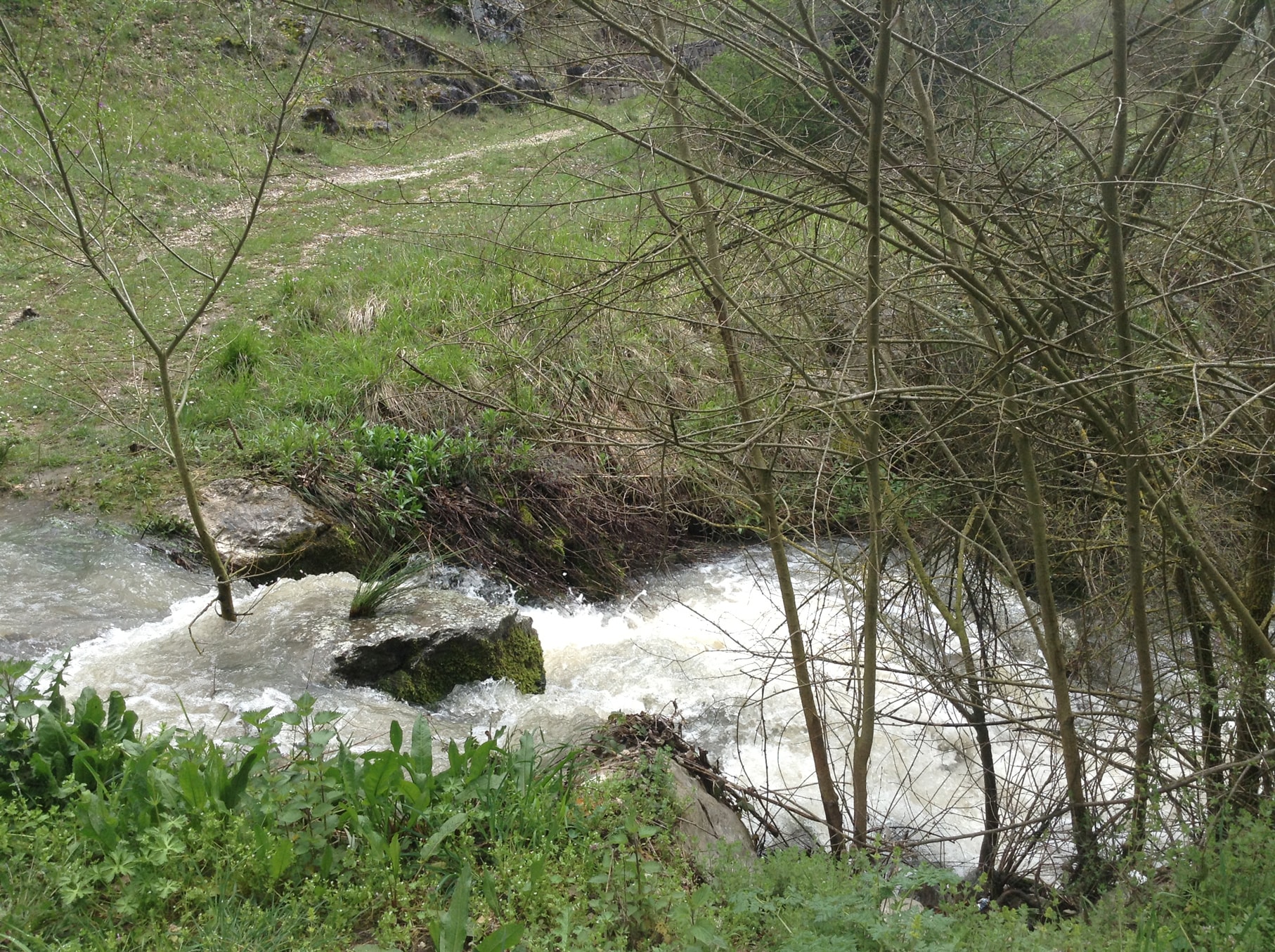
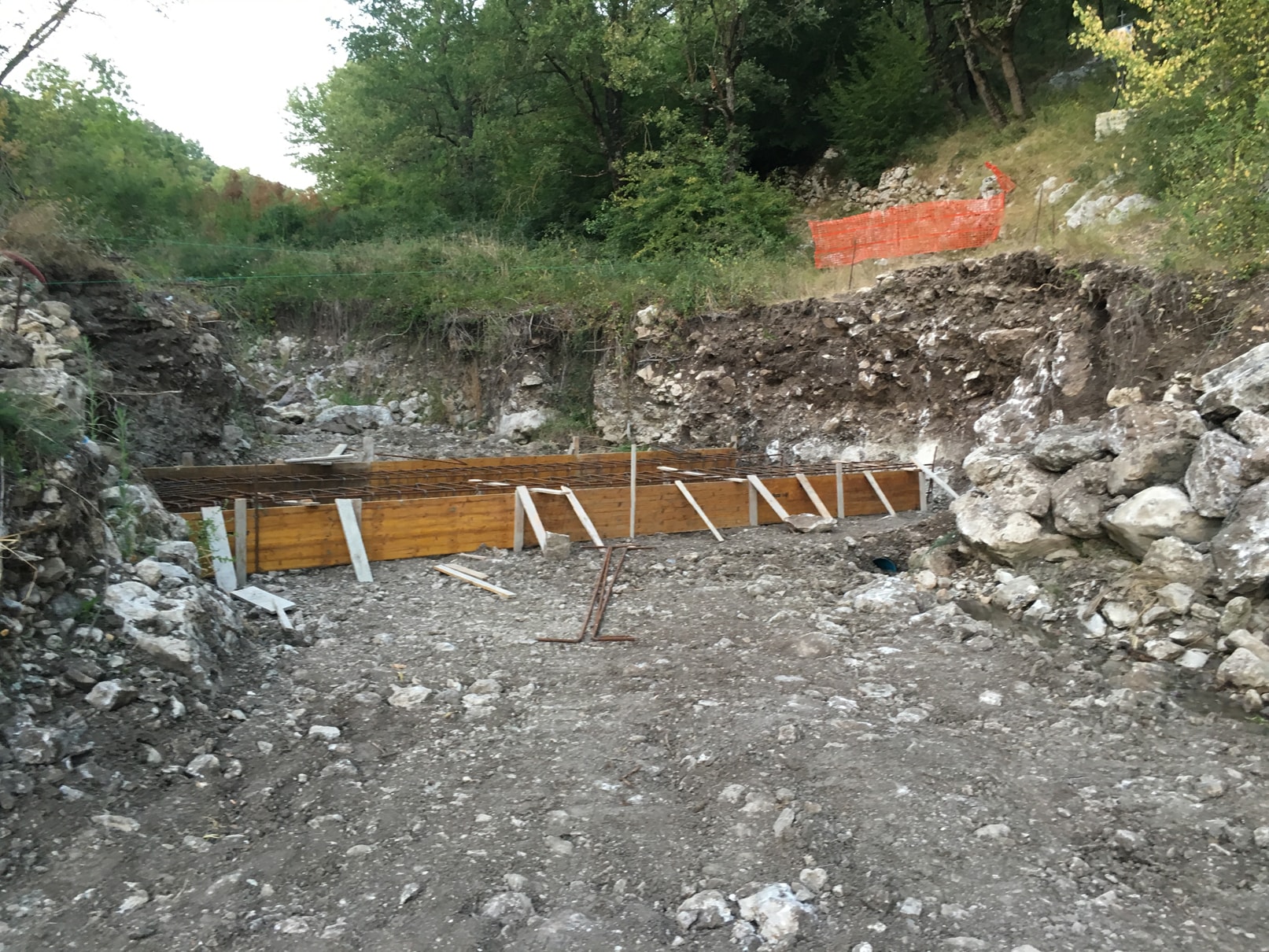
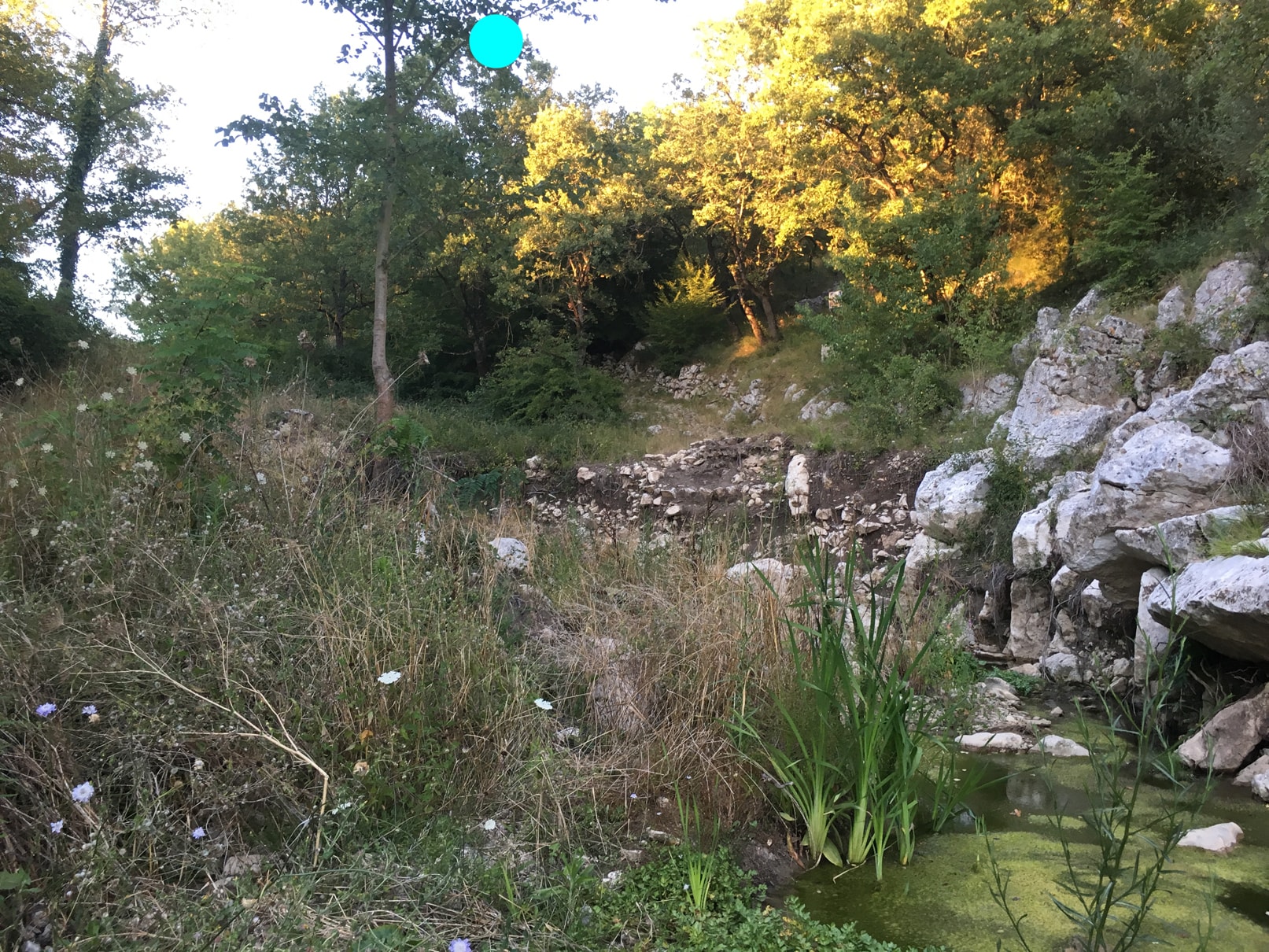
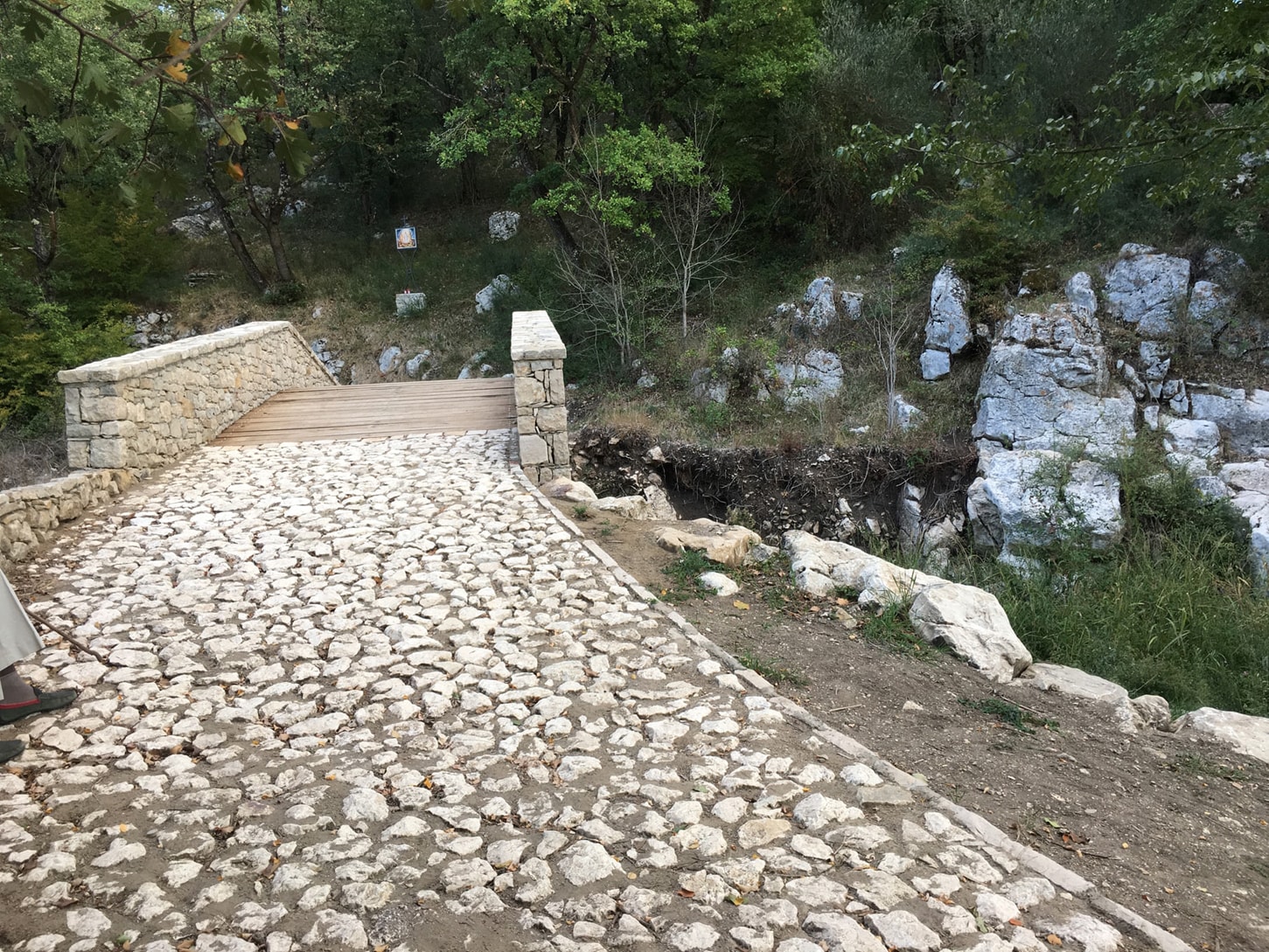
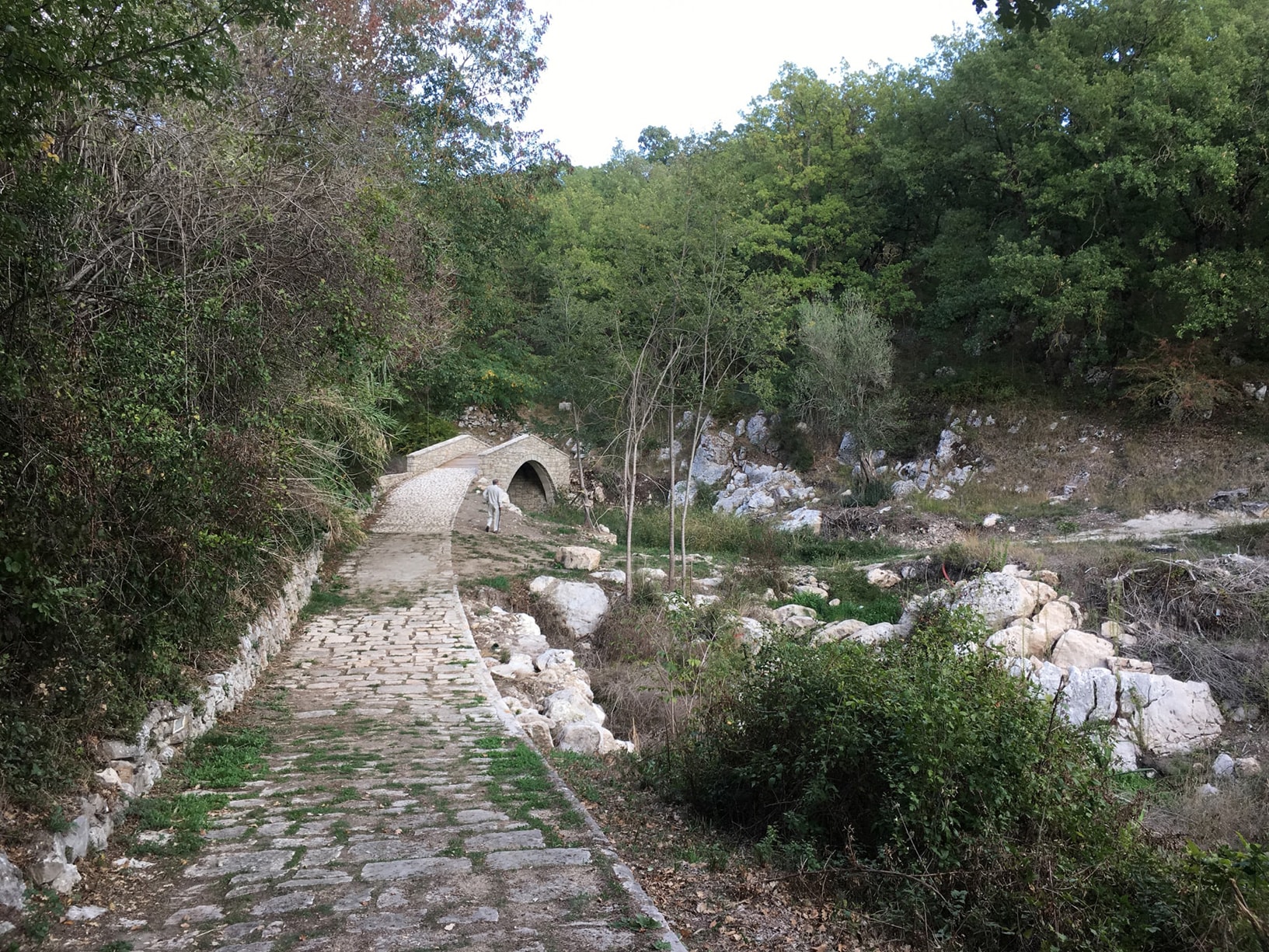
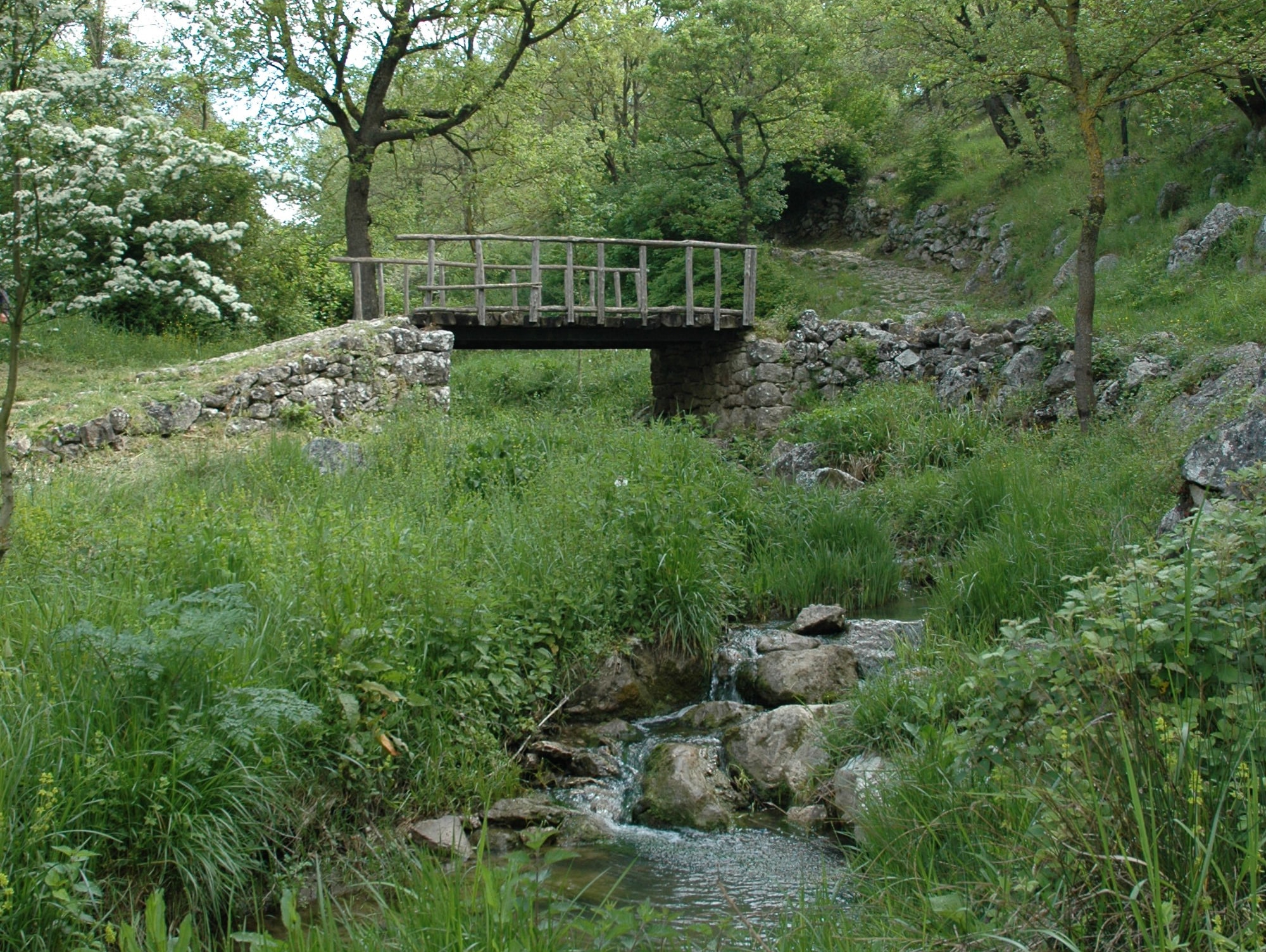
The best way to portray the changes to the landscape that this flood event made is to show you some before and after pictures and the re-construction that was carried out to open the walk once again to the public.

Before the flood

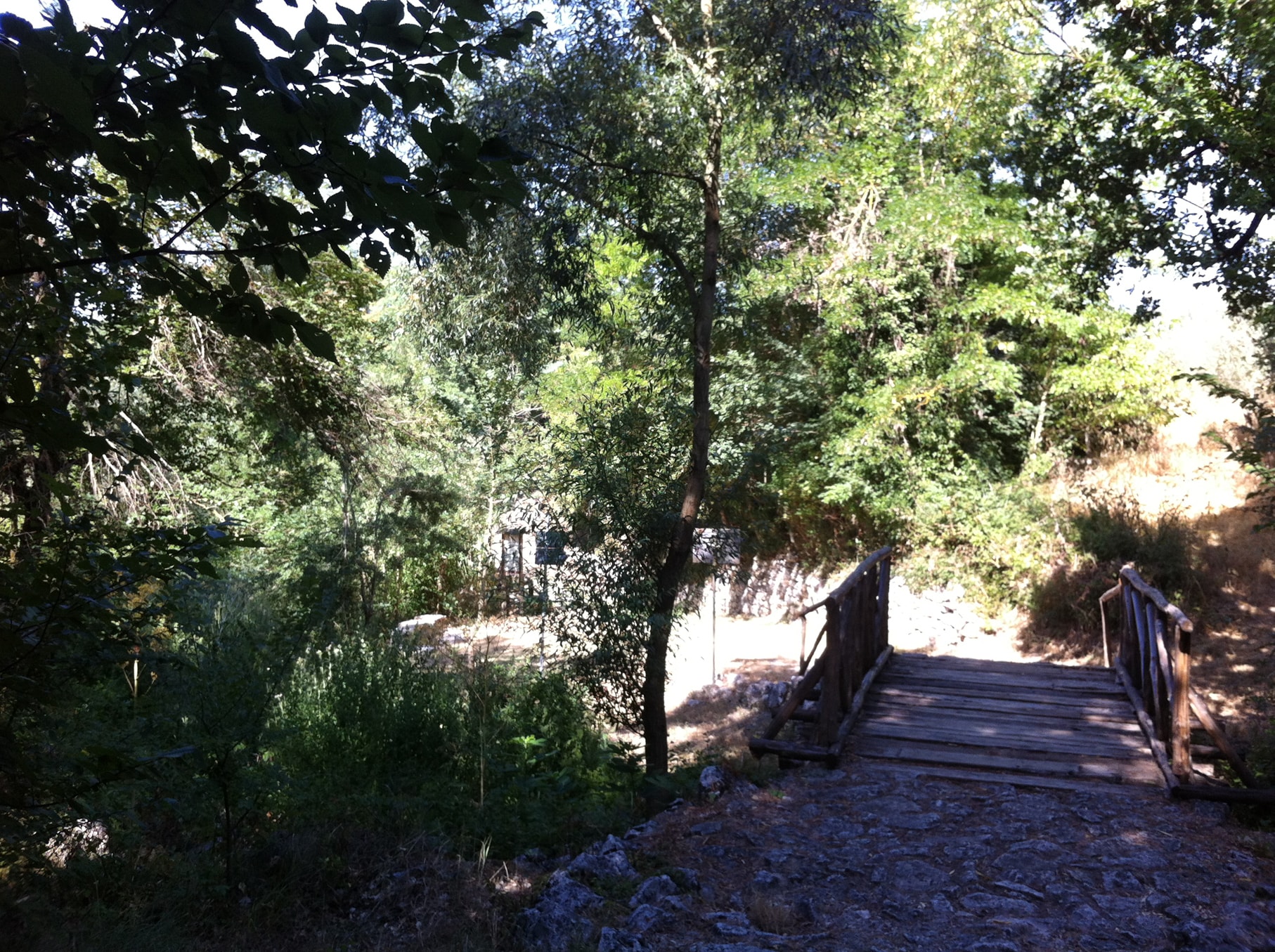
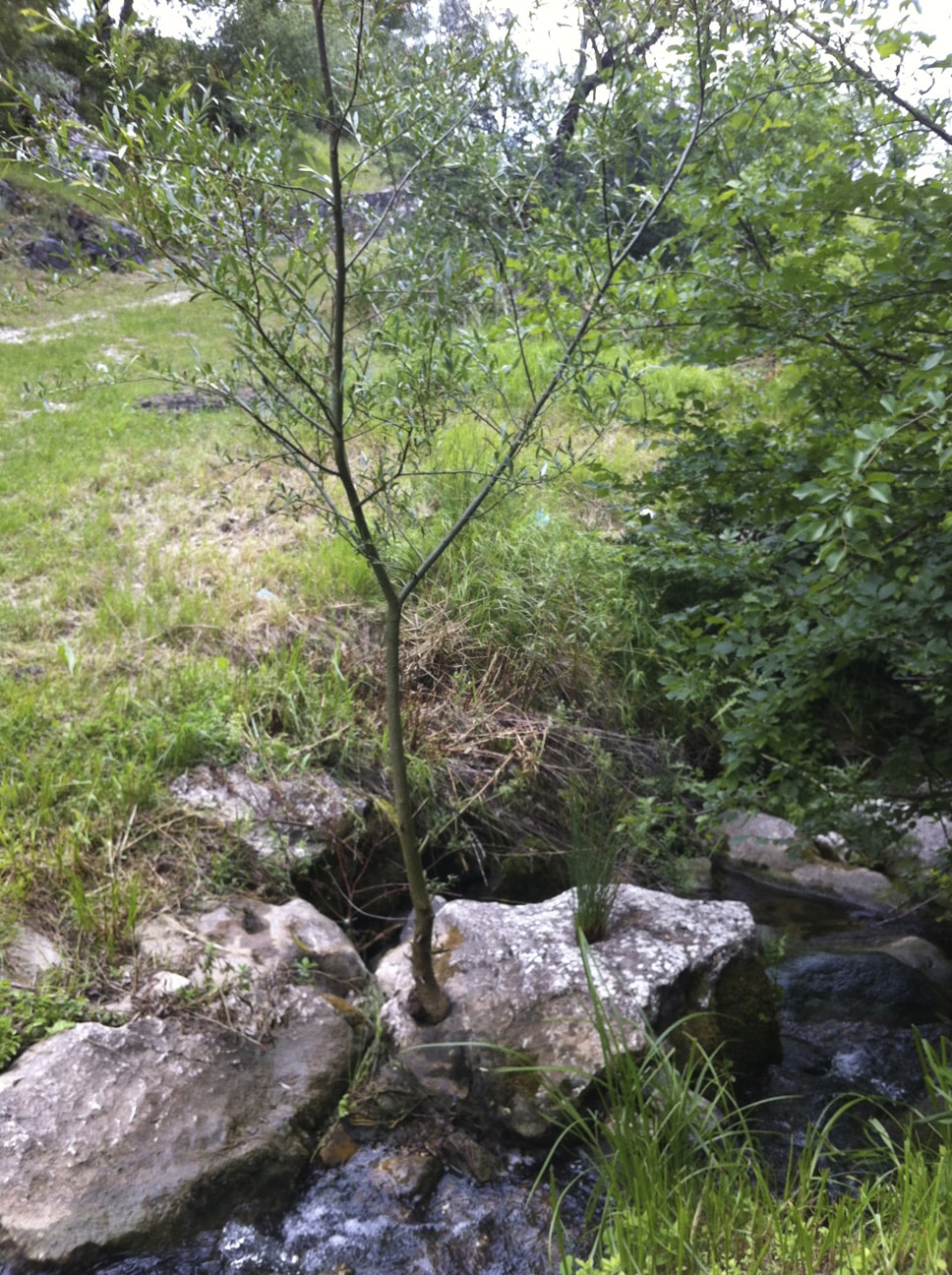
The first little wooden bridge Gently Flowing stream Normal fast flowing stream shaded near side of bridge Approach to bridge Looking back from far side Sapling safe in the rock

The Flood Damage and Reconstruction

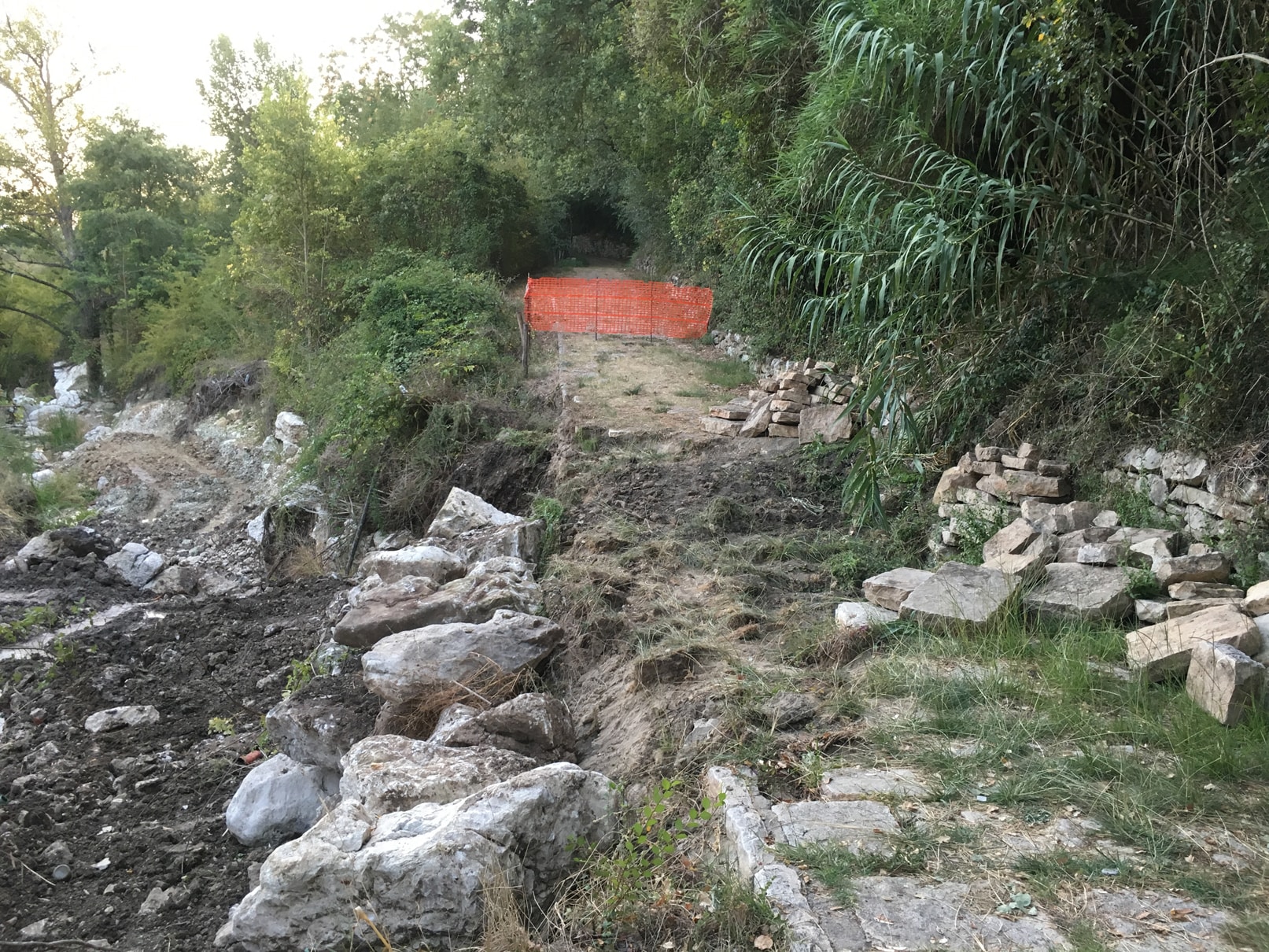
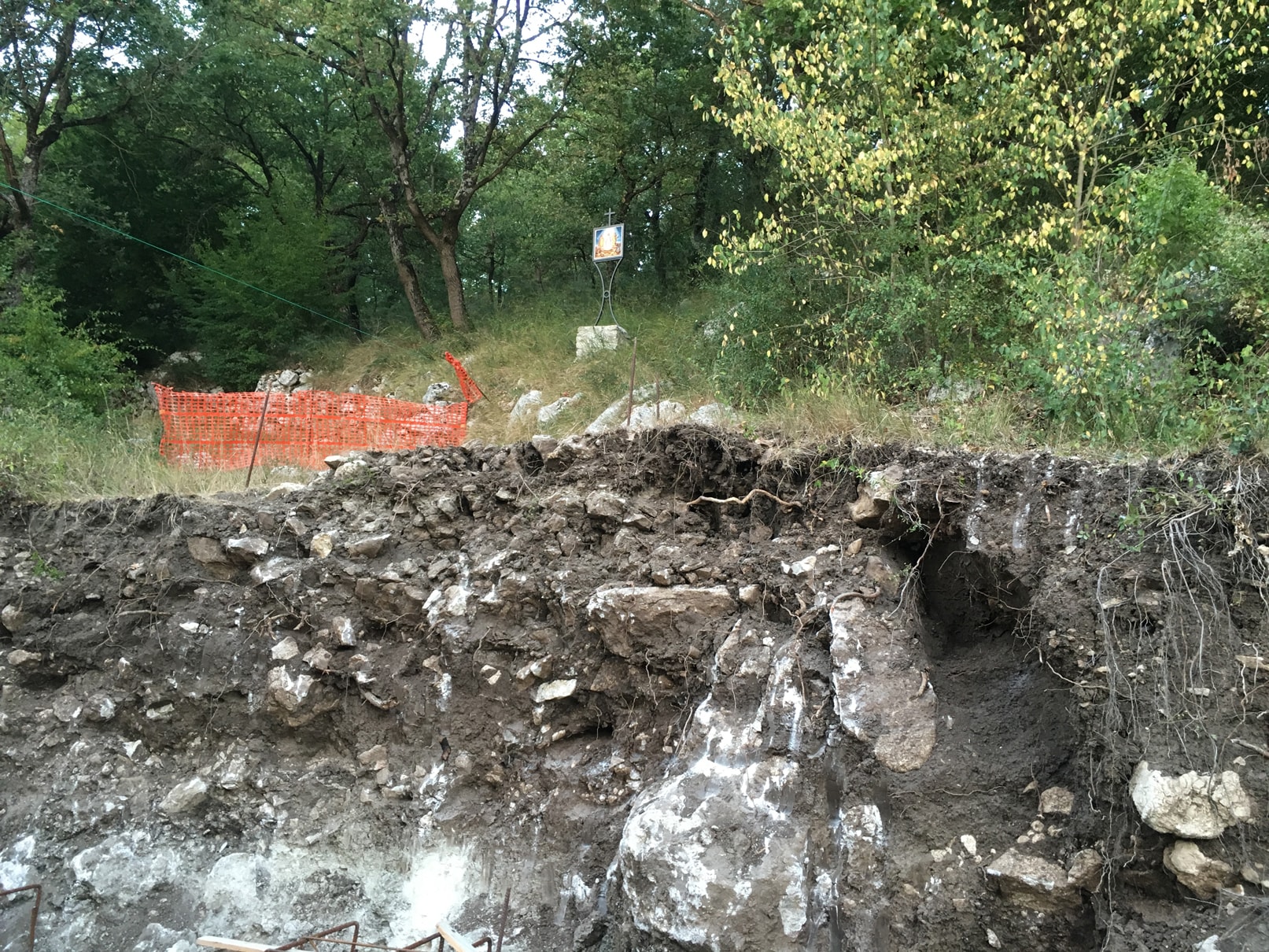
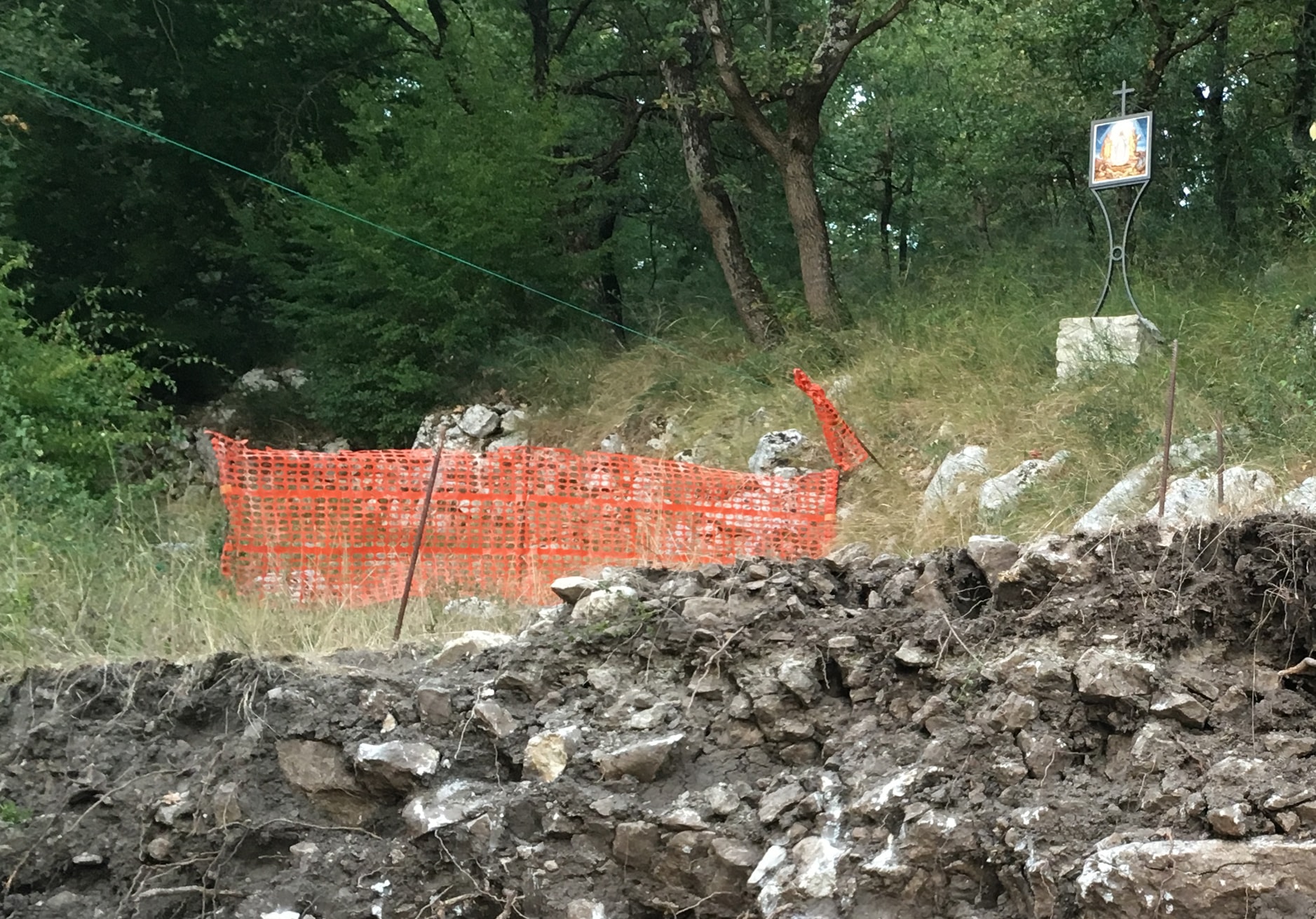
The closed Rosary Path Temporary Re-directed stream Where the bridge once stood Close view showing the Station of ‘The Transfiguratio’ Start of building the bridge Stream trickling through further down Close view of the new bridge Reconstructed path and Bridge

Happily, the bridge and the rosary walk are once again open to all

Deo Gratias