Snow in Pietrelcina

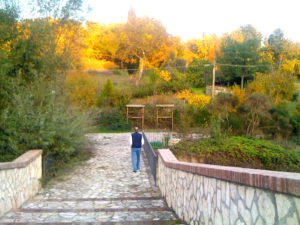
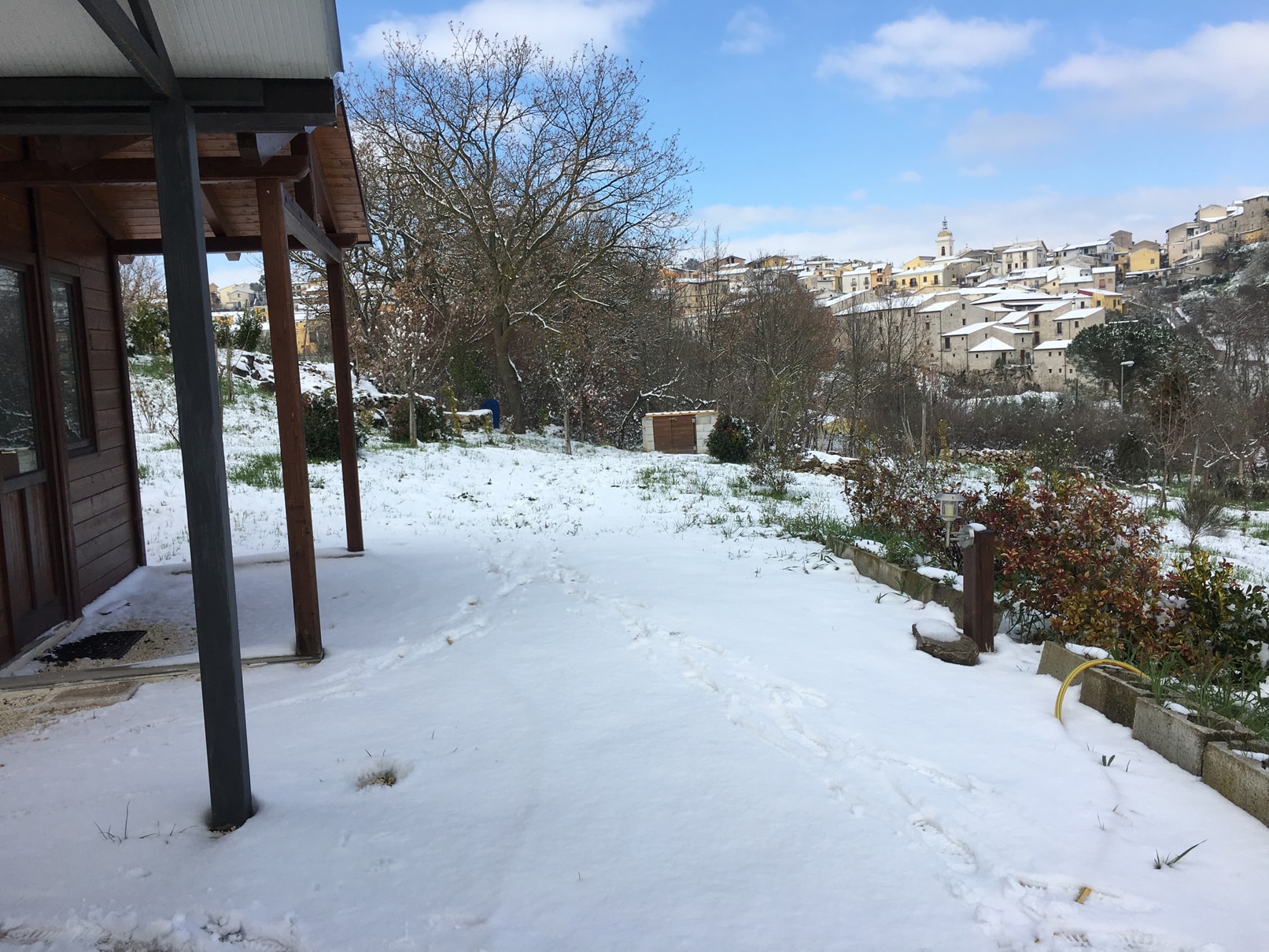
Snow in Prayer Garden

Our four sons were all born in England and, when they were young, enjoyed the yearly fall of snow every winter. When we moved to Malta, they missed that one thing.

So, when our son Tom, who is involved in filming in his work, stayed with us for a few months here in Pietrelcina, he decided to make a video diary of the snow. Here it is.

Stations of the Resurrection

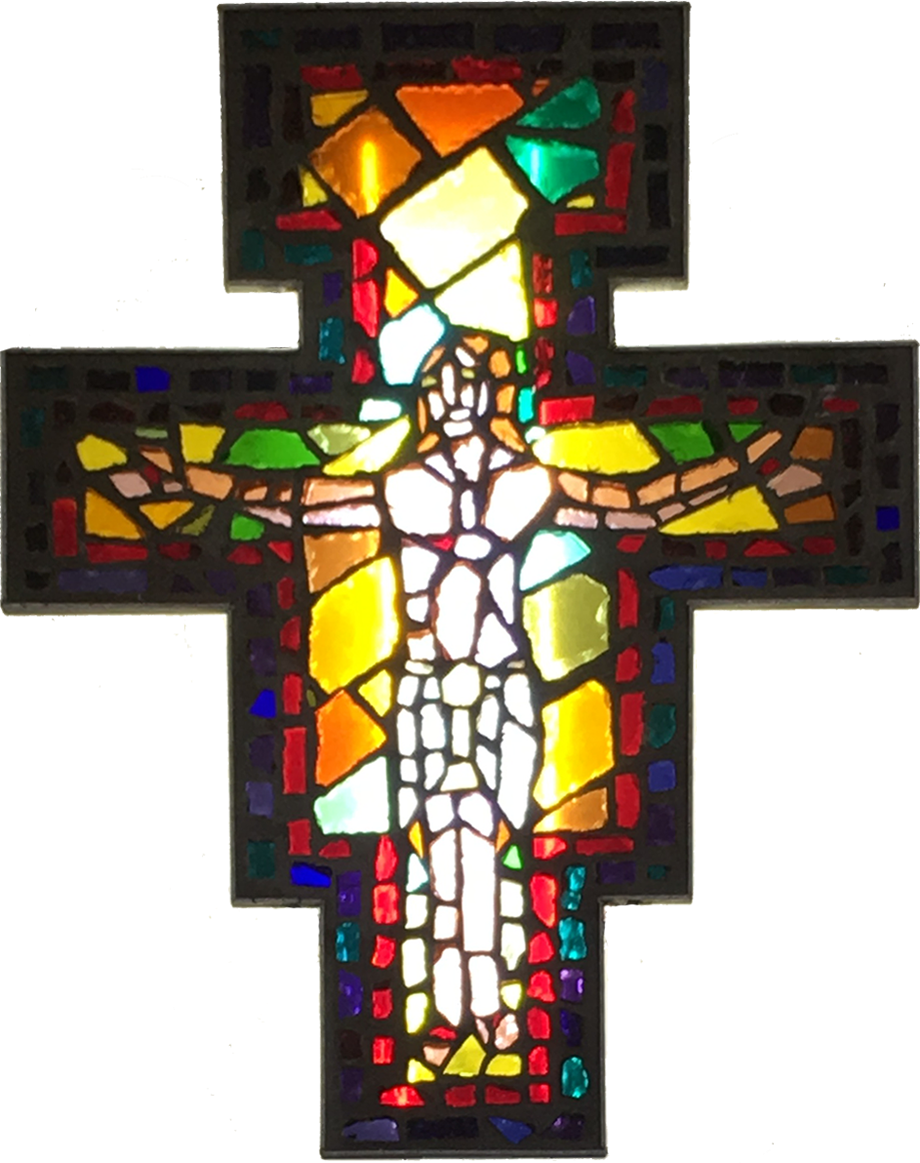
Piana Romana Stained Glass Cross Window

The Stations of the Resurrection

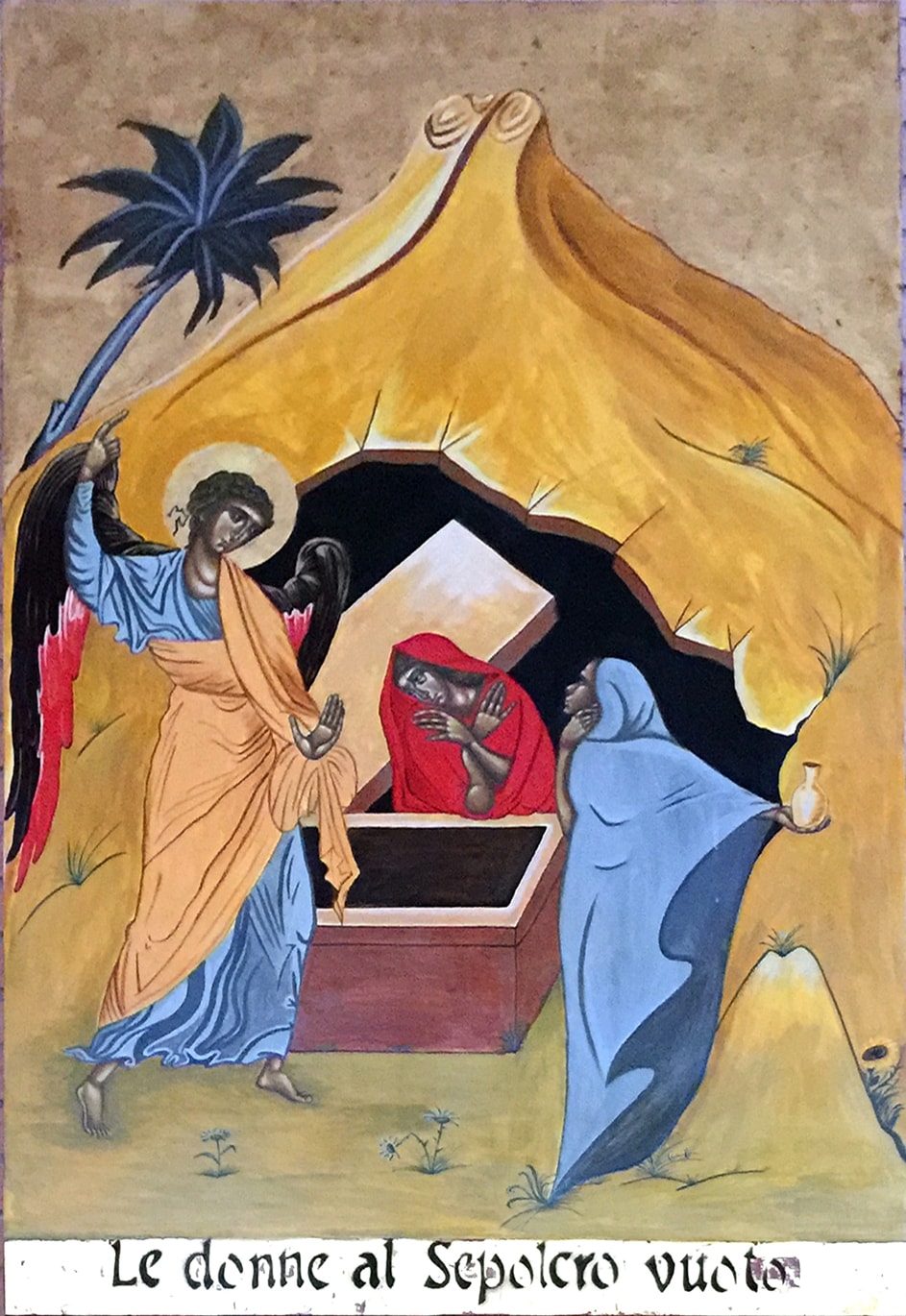
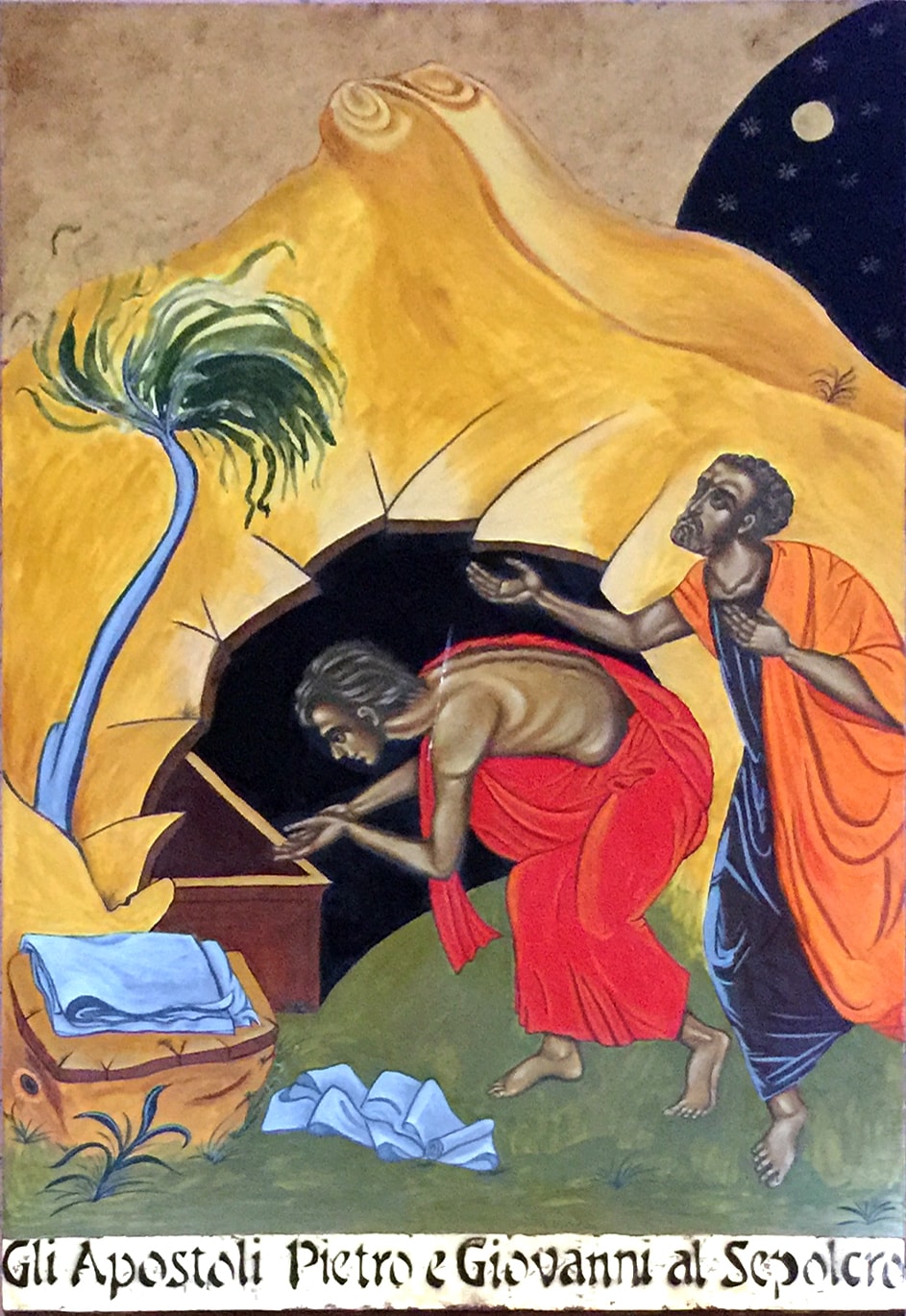
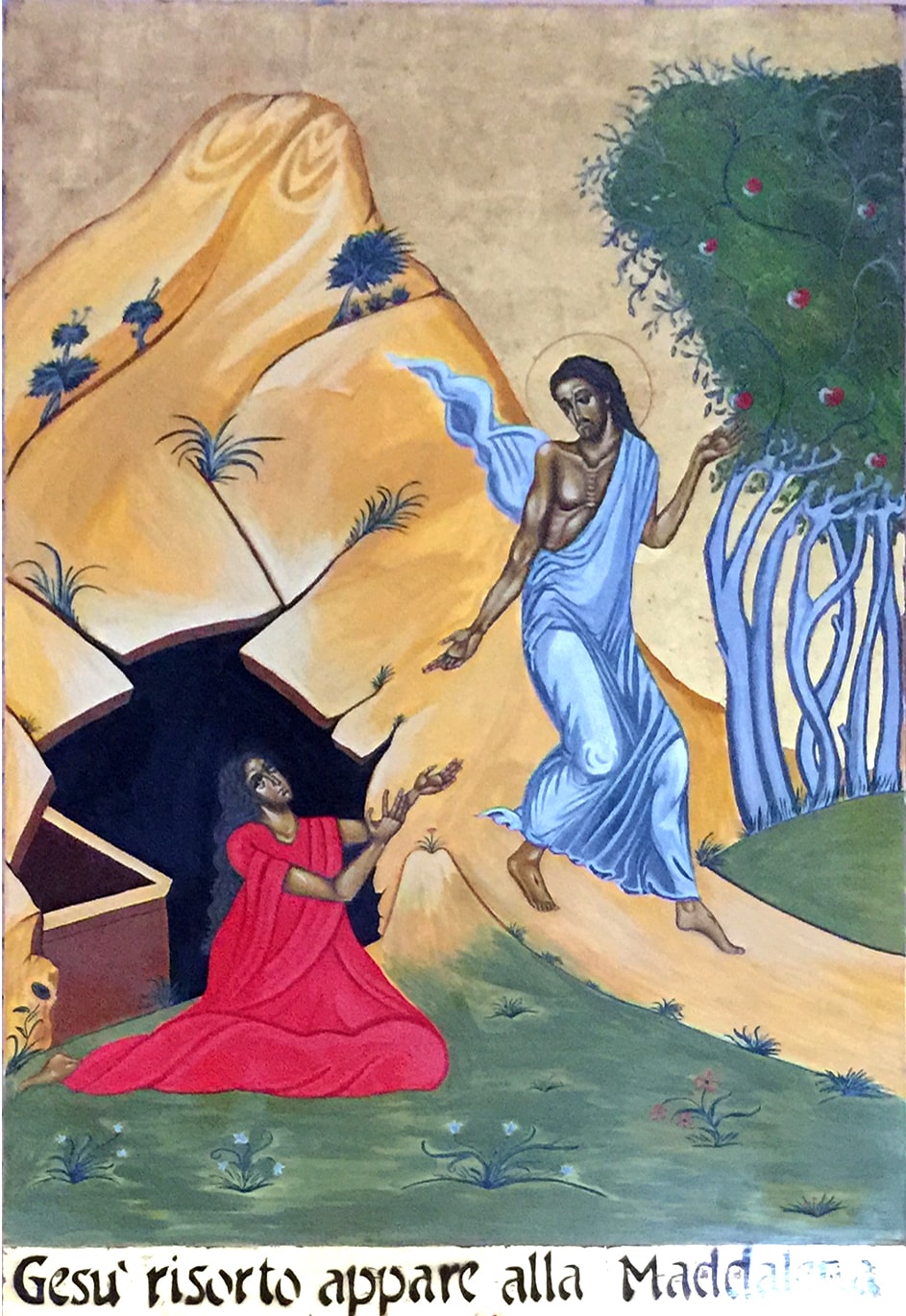
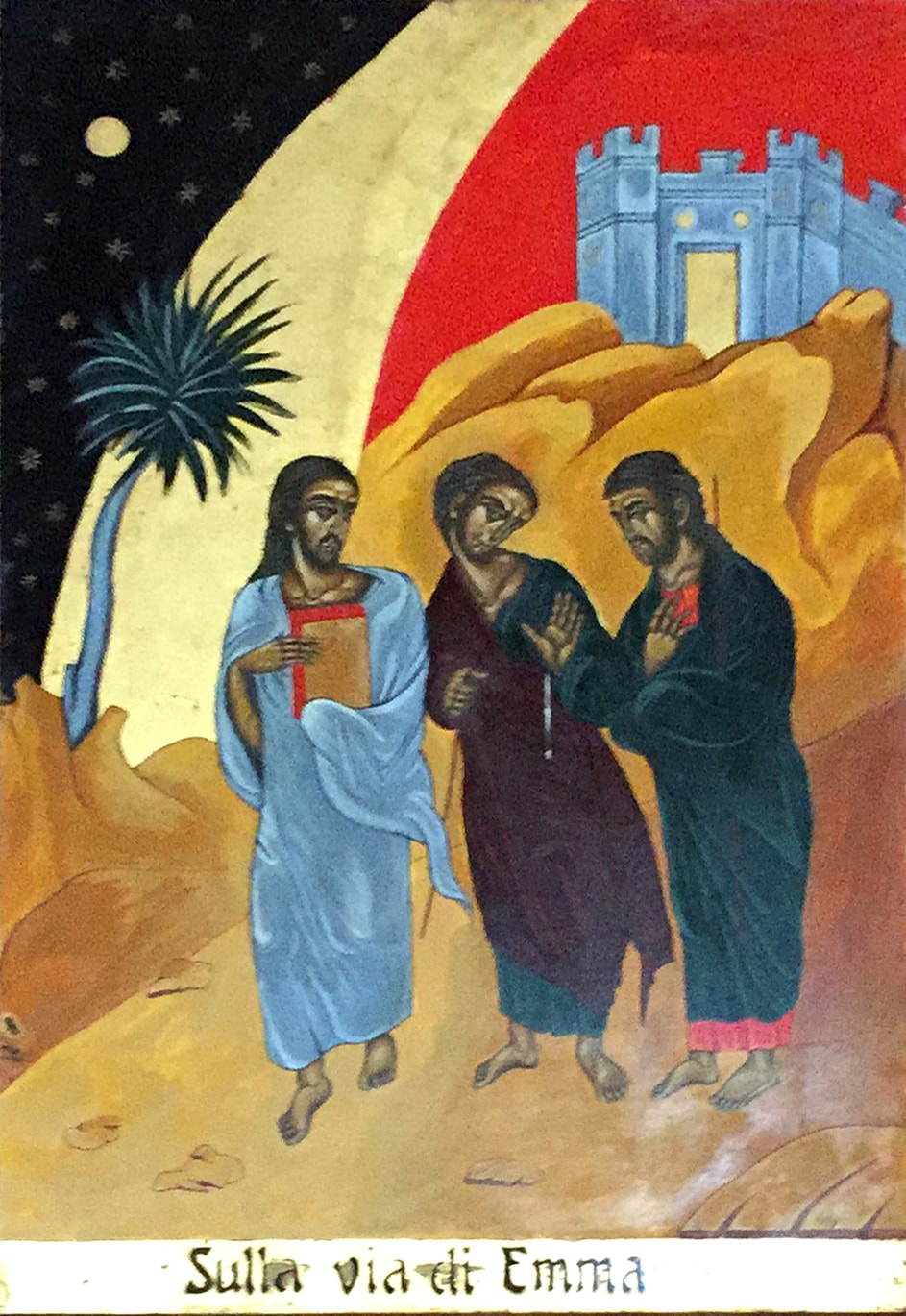
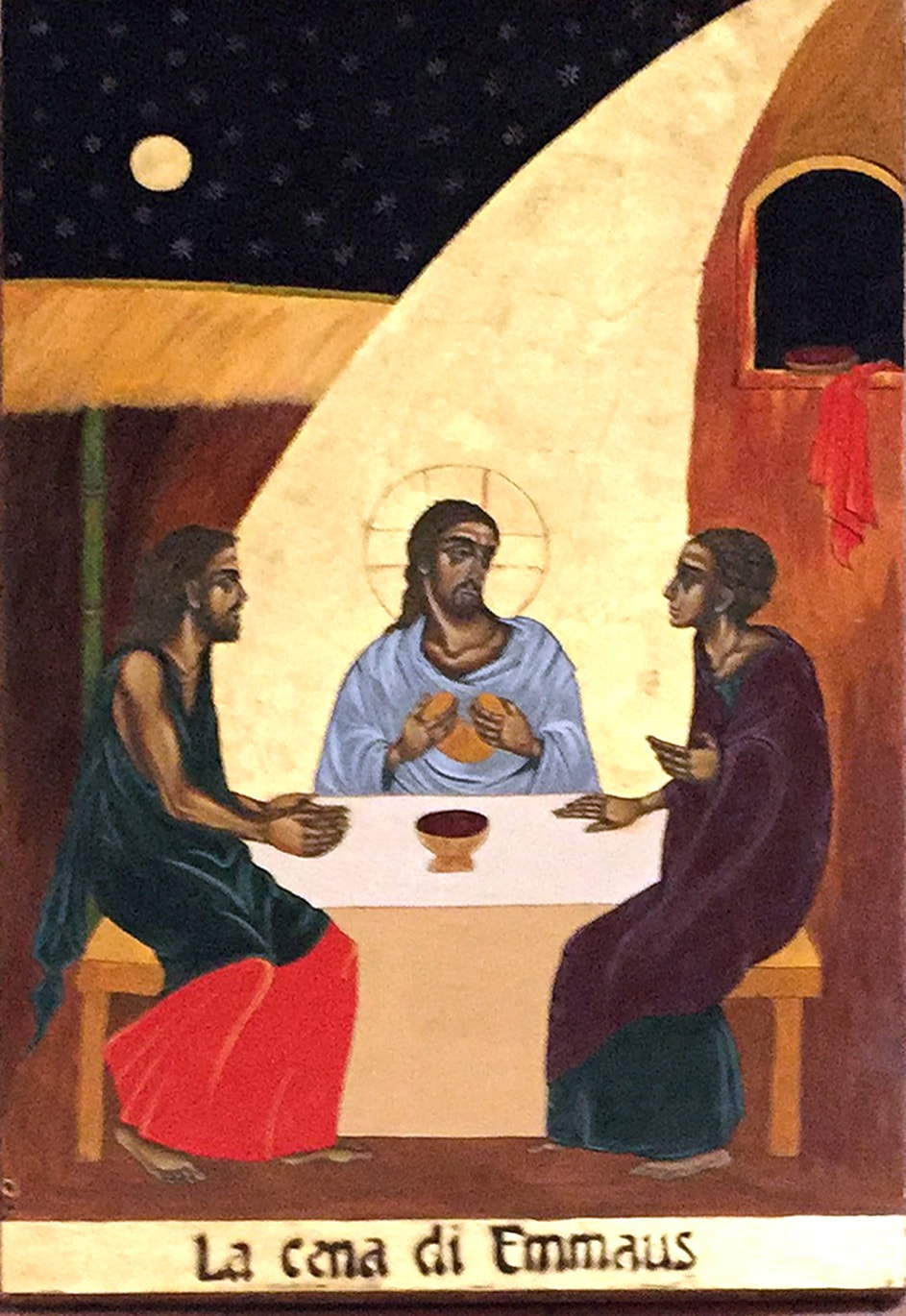
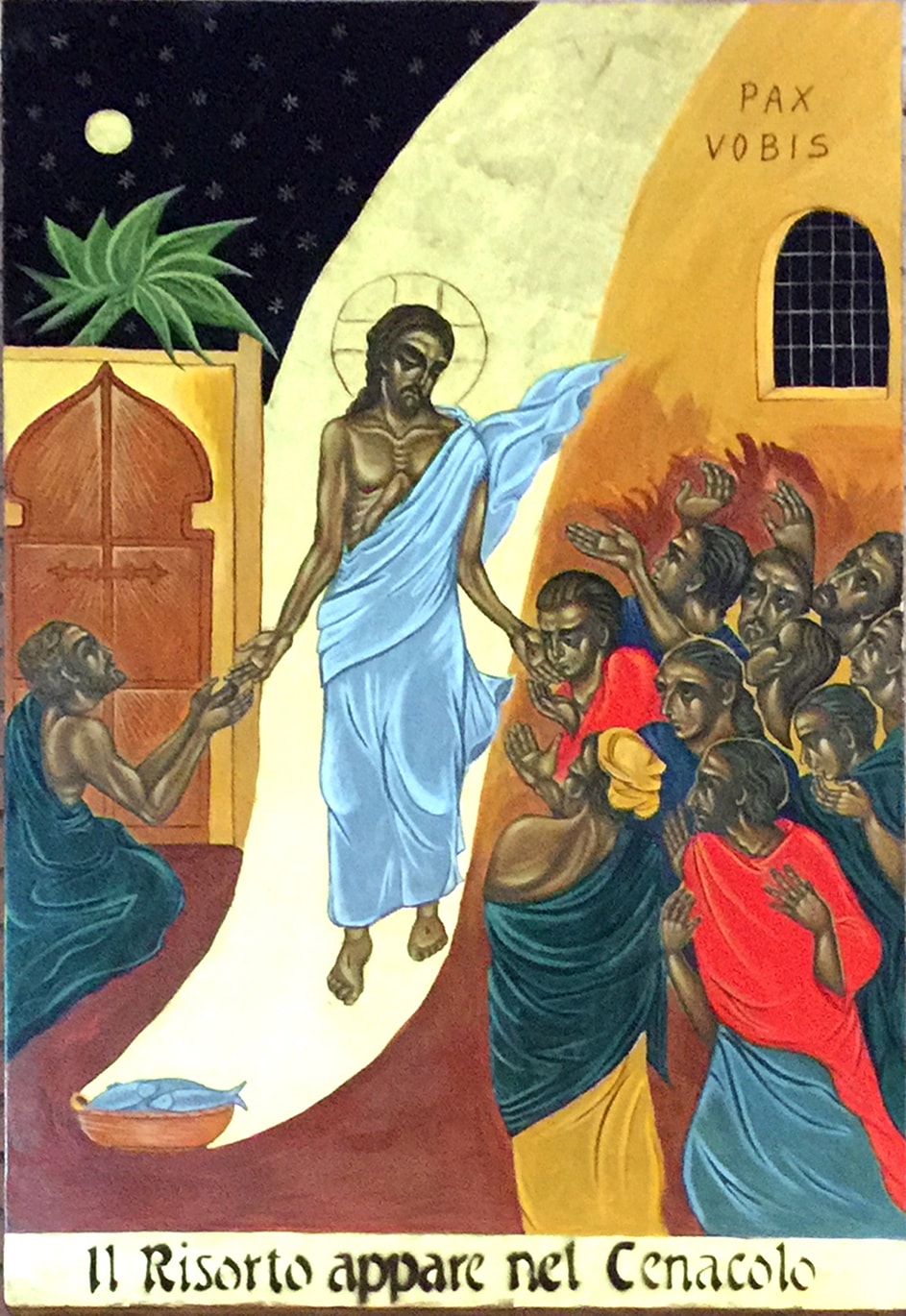
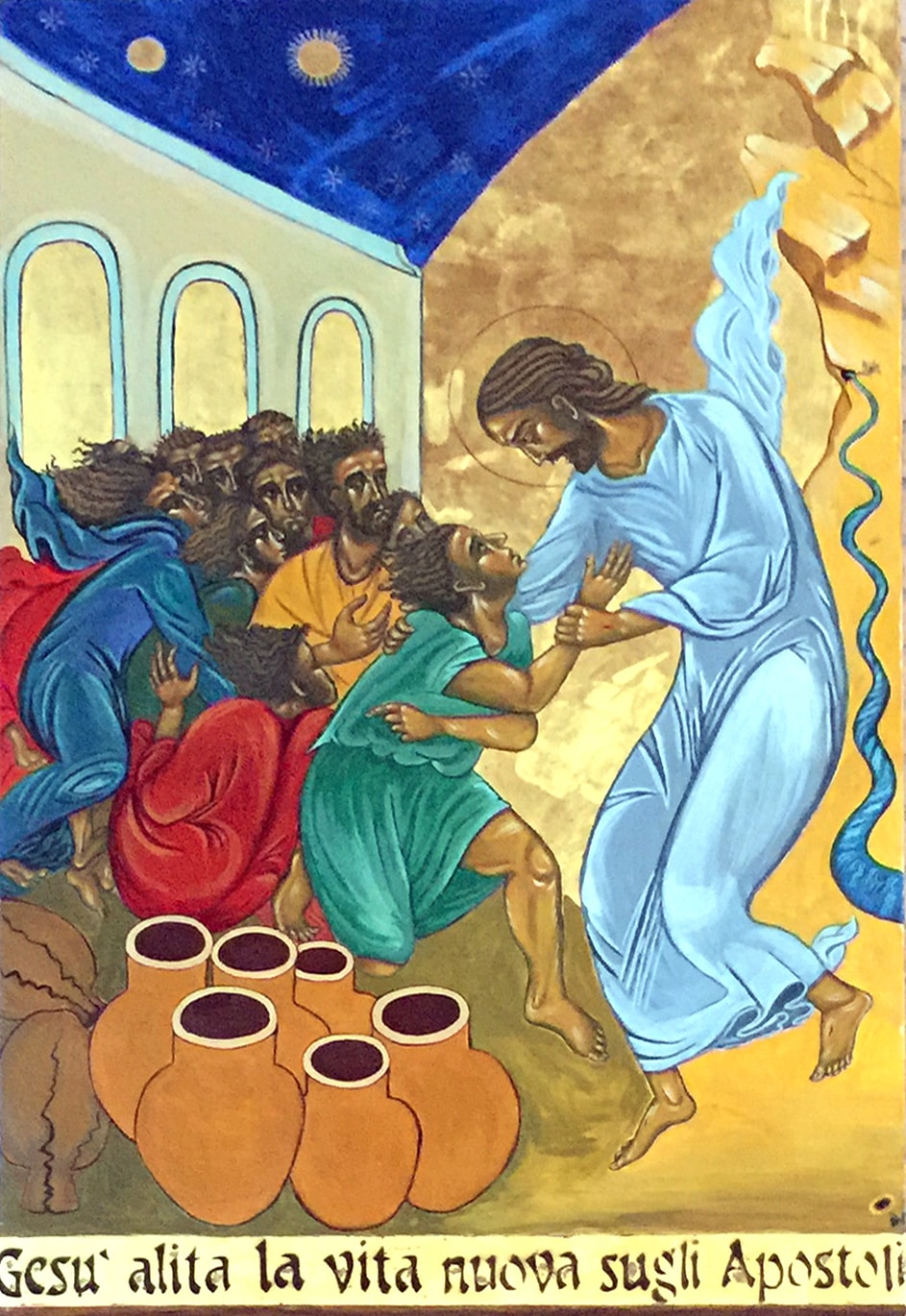
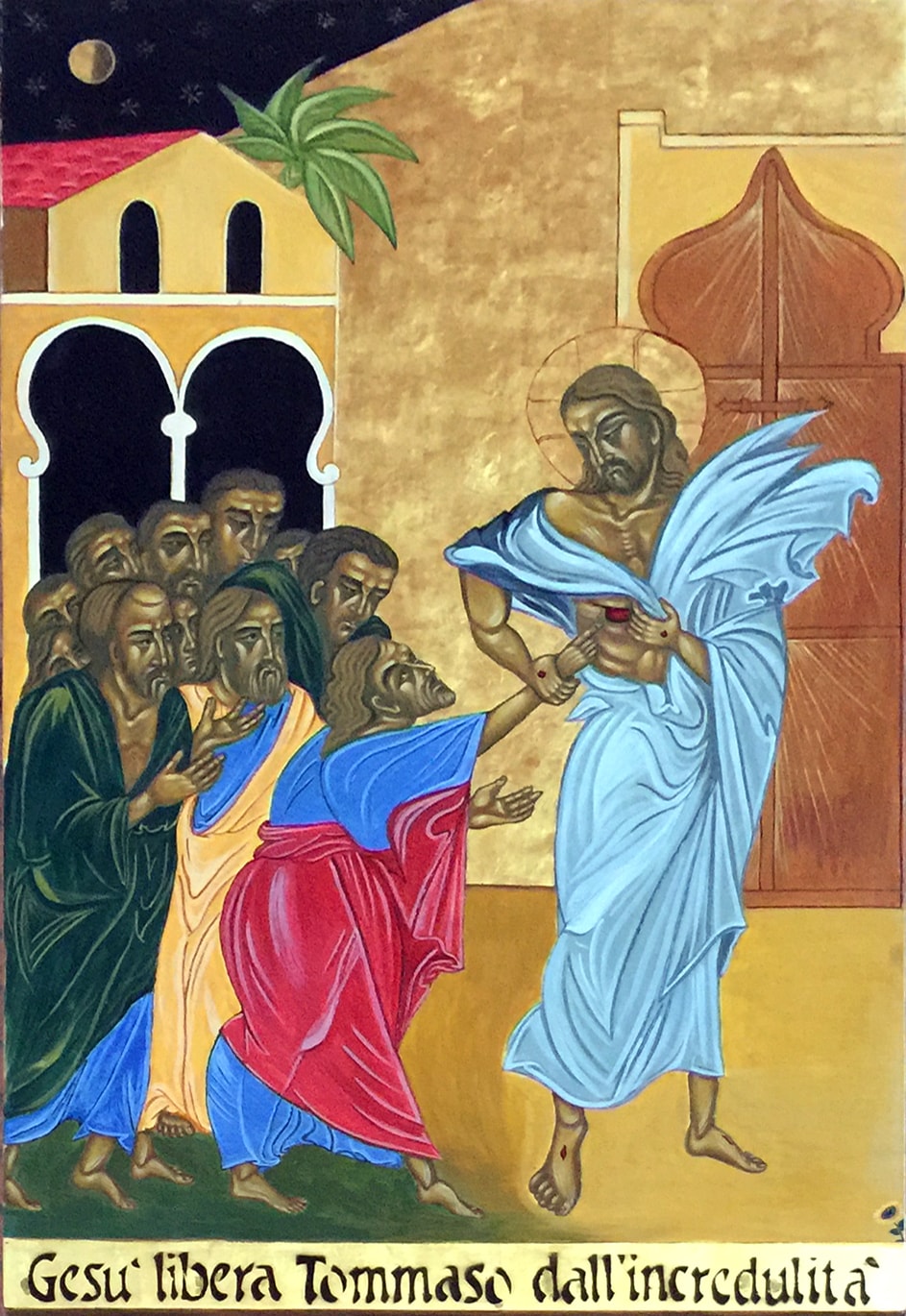
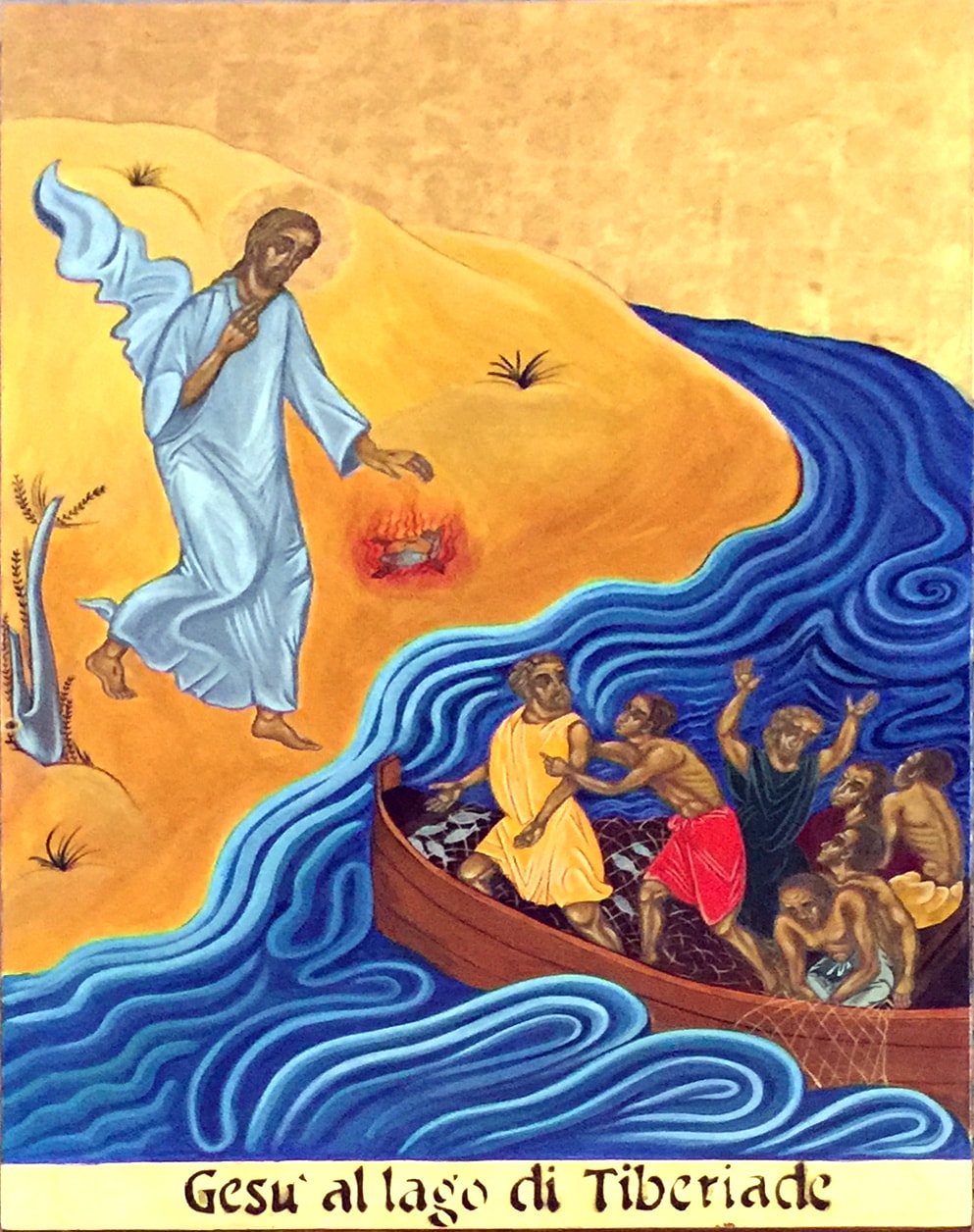
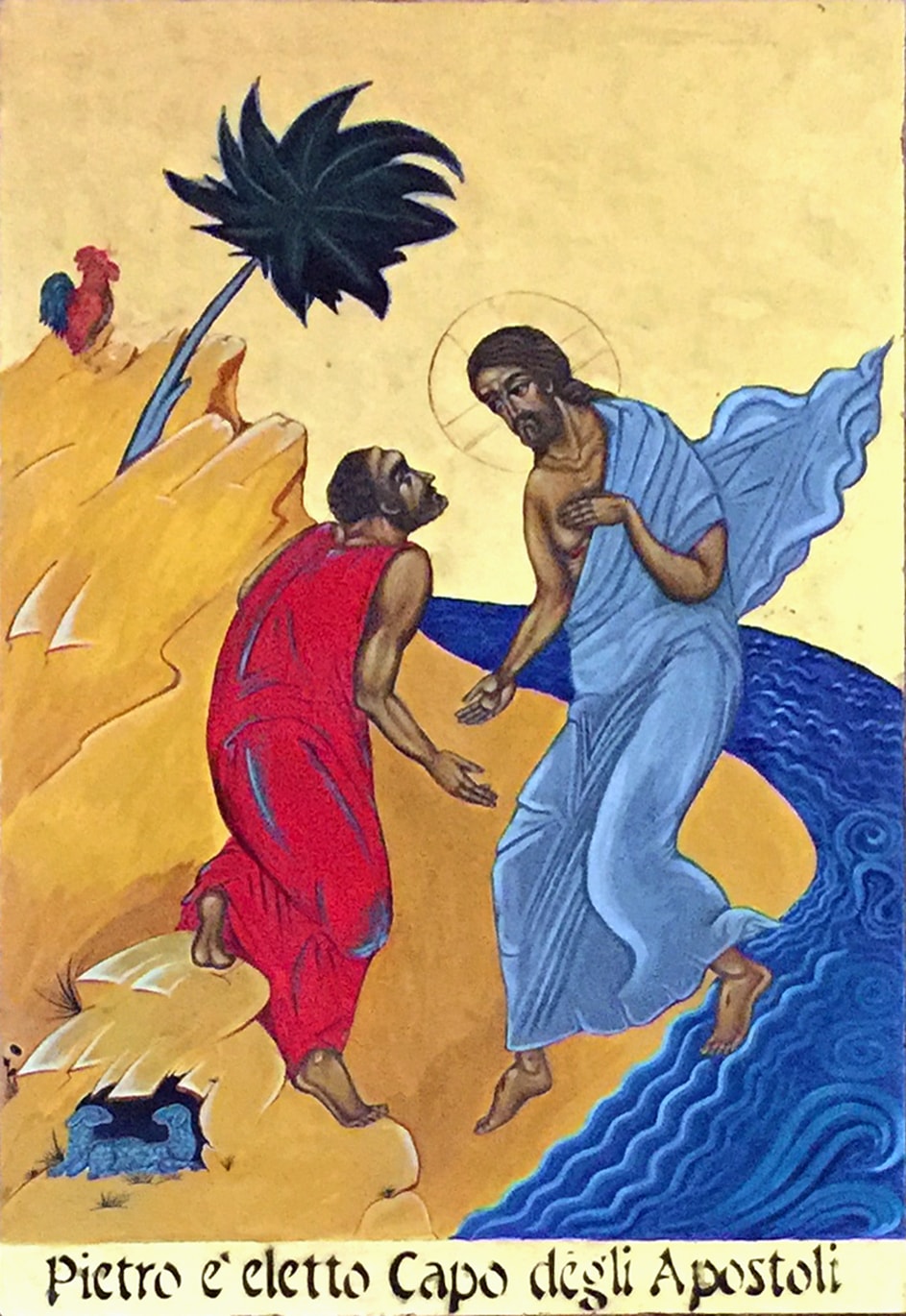
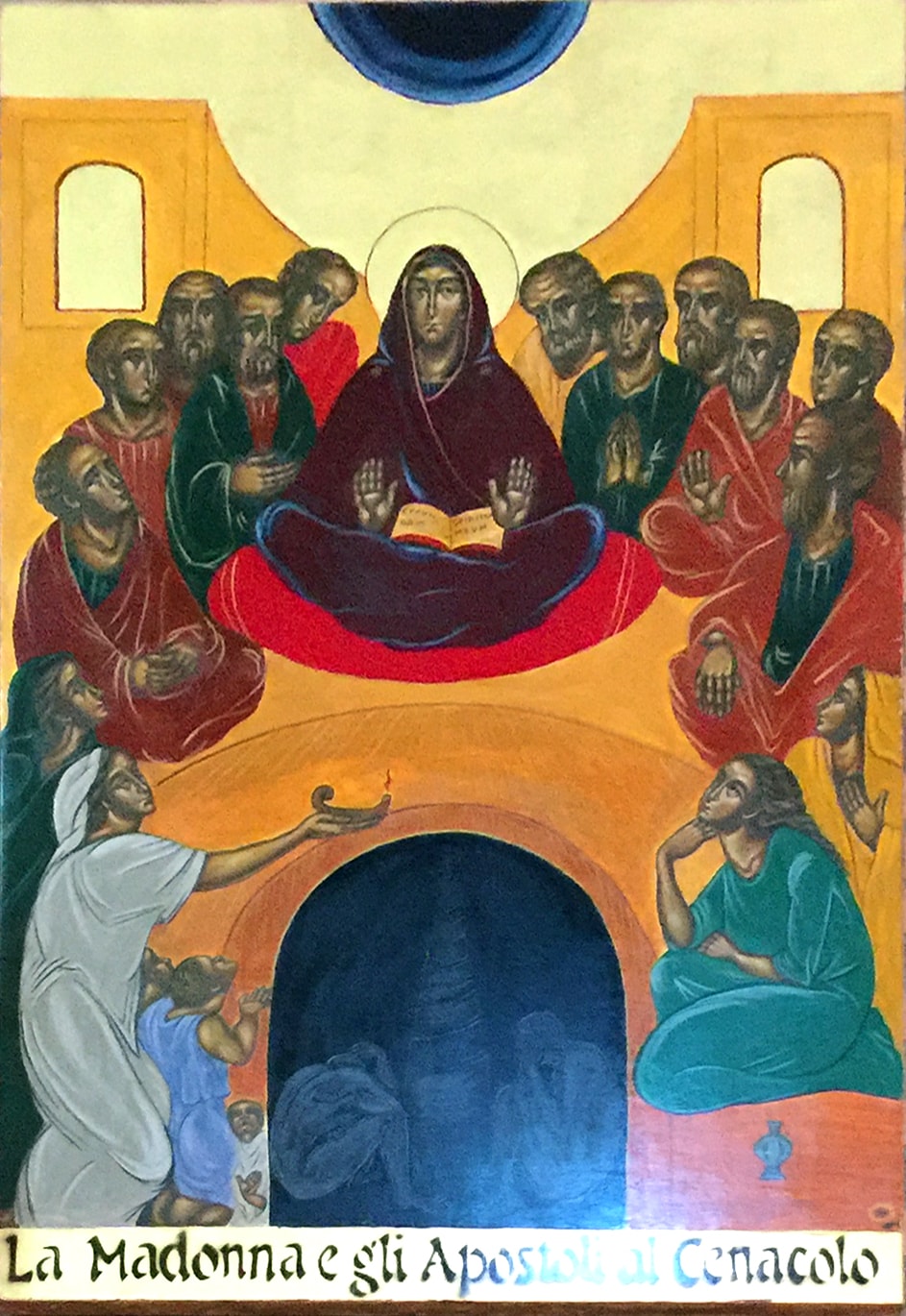
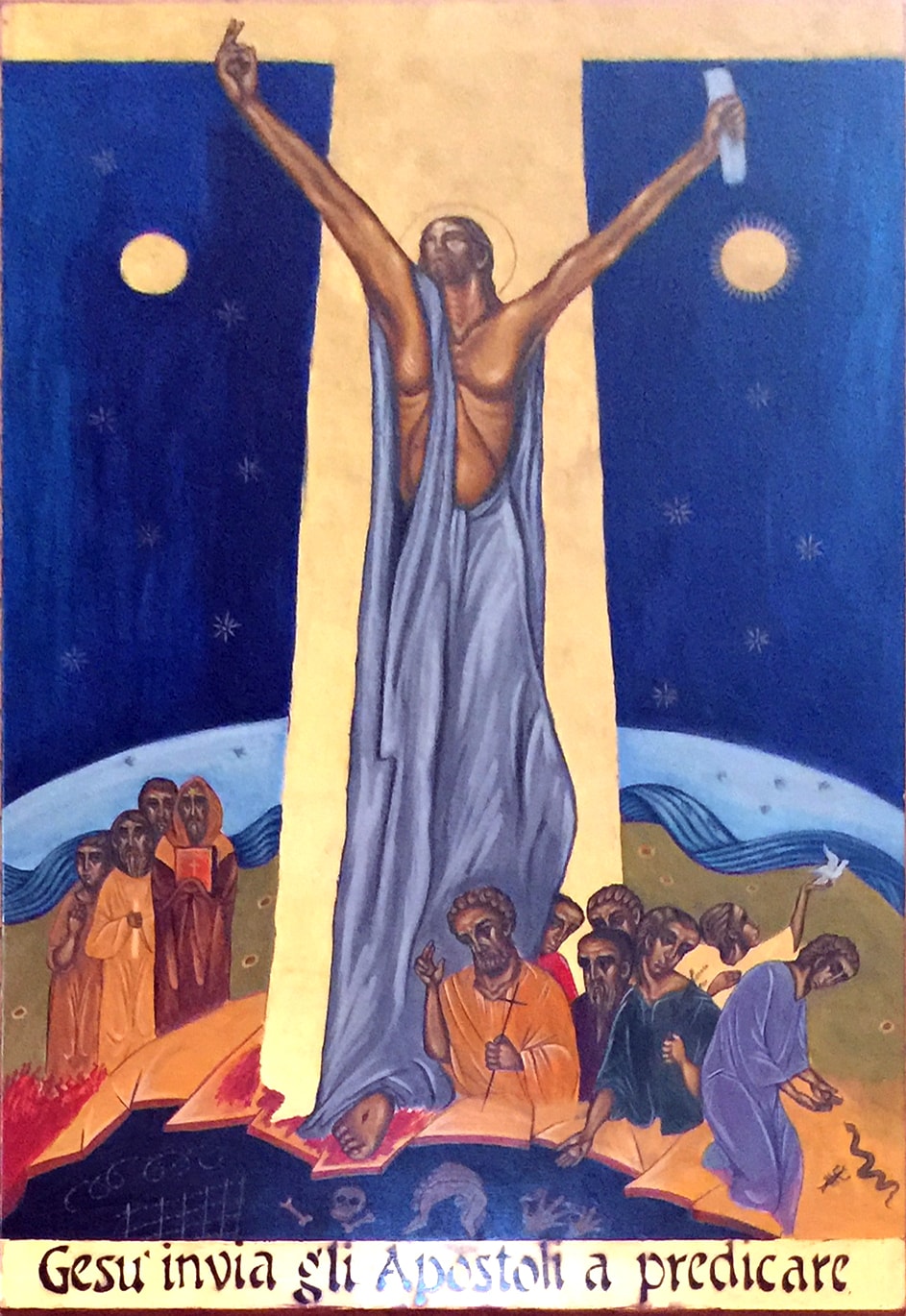
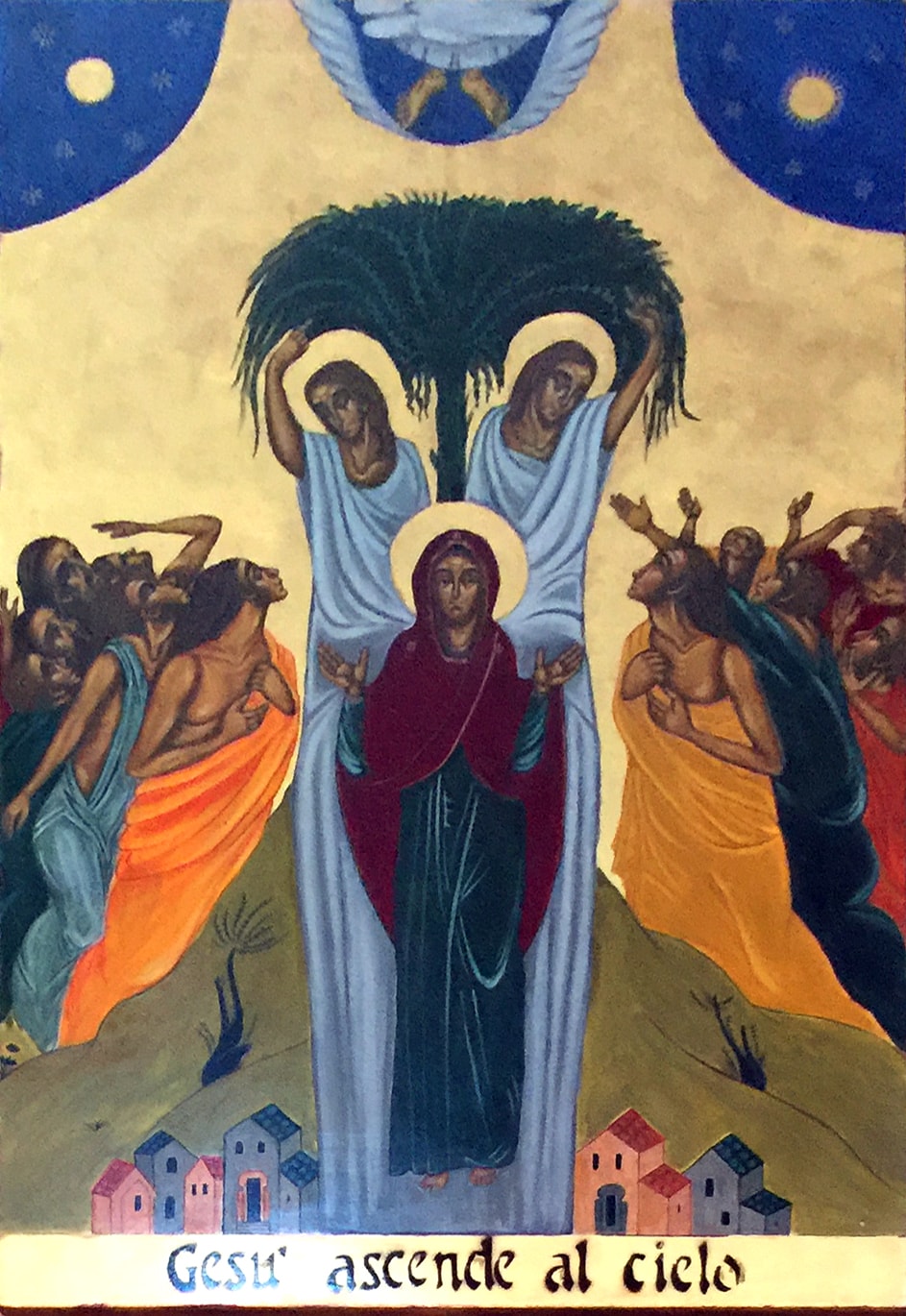
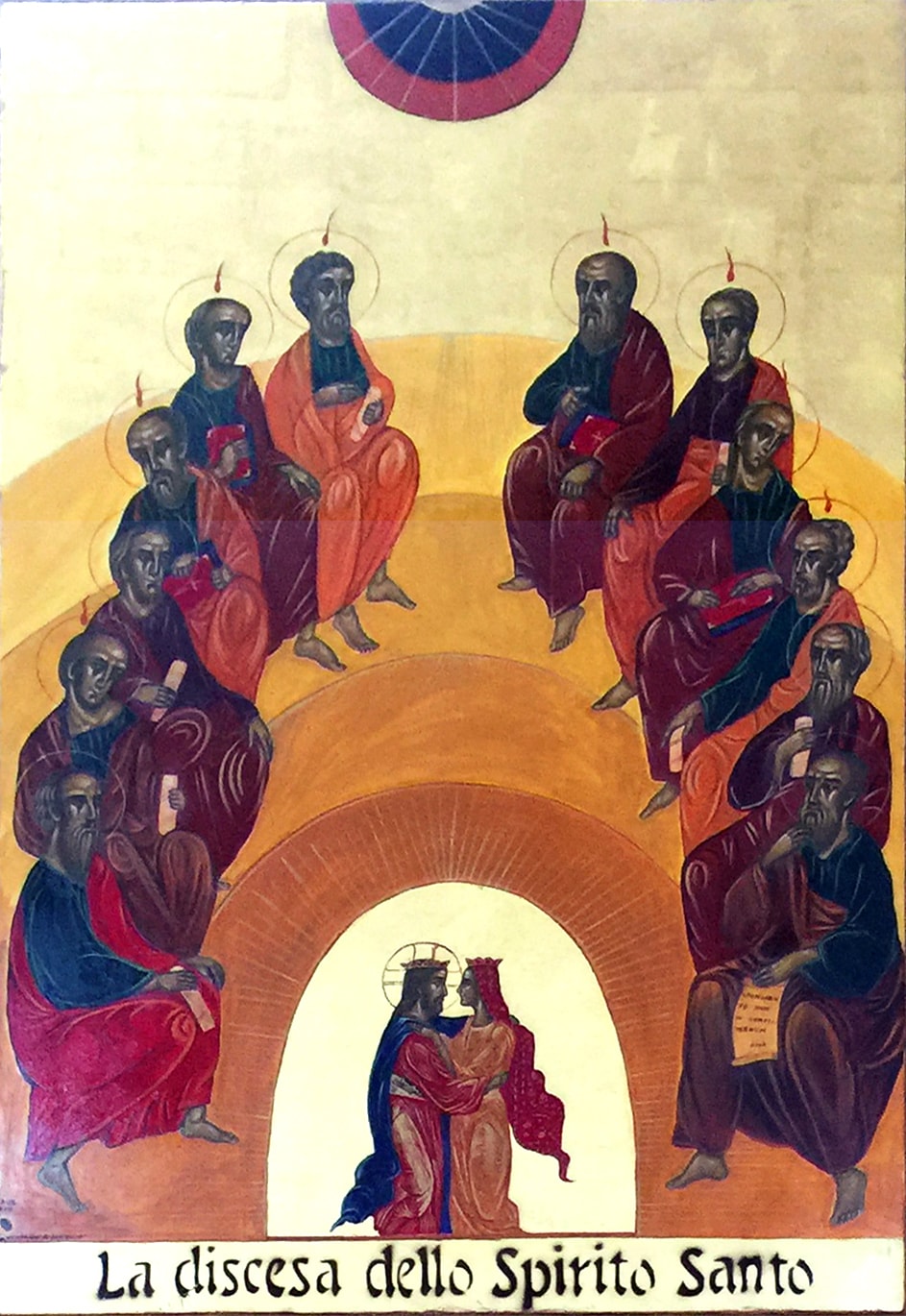
01 The Women find the tomb is empty. 02 Peter & John at the Tomb 03 Mary Magdalen sees Jesus 04 On the Road to Emaus 05 The Meal at Emaus 06 Jesus appears in Upper Room 07 Jusus Breathes on Apostles 08 Jesus frees Thomas from Unbelief 09 Jesus on the shore of Galilee 10 Jesus gives Peter Authority 11 Mary & Apostles in Upper Room 12 Jesus tell Apostles to Spread the Gospel 13 Jesus Ascends into Heaven 14 Descent of the Holy Spirit

Piana Romana and Padre Pio

Piana Romana in Pietrelcina

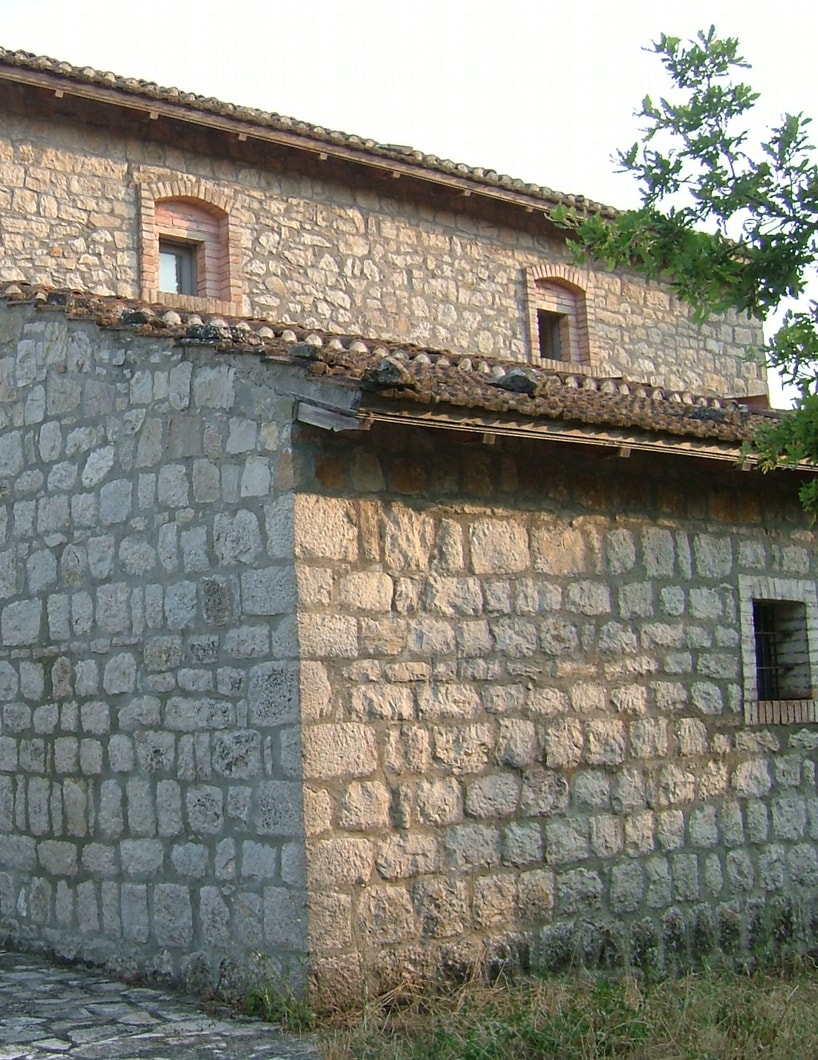
Piana Romana is a wide, flat plain of farming land on the outskirts of Pietrelcina. Padre Pio’s family had a small plot of land there and a small stone farmhouse/store.

When he was an ordained priest living in Pietrelcina, Francesco used to walk there after mass, taking the path through the woods (the Rosary Walk). This was the same route he took as a child both alone and with his family members. Once there he would spend his time praying, sitting under the shade of a large Elm tree. On the afternoon of 7th September, 1910, an event happened which was to take his life in a new direction.

This is an account of that event (Taken from the book ‘Padre Pio The True Story’ by C.Bernard Ruffin)

“On the afternoon of September 7, 1910, Padre Pio appeared at Pannullo’s office and showed him what appeared to be puncture wounds in the middle of his hands. Pati asked him what had happened. Pio told him that he had been praying in the Piana Romana when Jesus and Mary appeared to him and gave him the wounds. Pannullo examined the young man’s hands, then insisted that Pio see a doctor. The first physician he consulted diagnosed the phenomenon as tuberculosis of the skin. Pio then went to Andrea Cardone, whose response to his colleague’s diagnosis was “Humbug!” He observed sores about a half inch in diameter on both the backs and the palms of Pio’s hands. Although the wounds apparently did not bleed, they seemed to extend all the way through the hands. Cardone was positive that they were not of a tubercular origin. Apart from that, he could not explain them. ……

A few days after seeing Cardone, Pio went to Pannullo. “Pati, do me a favor,” he said. “Let’s pray together to ask Jesus to take away this annoyance. I do want to suffer, even to die of suffering, but all in secret.” …..(Pannullo replied) …”You must yield yourself to do His will in all and over all. And remember, since this is for the salvation of souls and for the good of the entire world, you must say to Jesus, ‘Do with me as Thou wilt”.

The two men prayed, and the wounds went away – for a season.”

Perhaps this is why people now go to visit Piana Romana; not just to remember Padre Pio but to share this sacred location.


Elm Tree where Padre Pio received the Stigmata
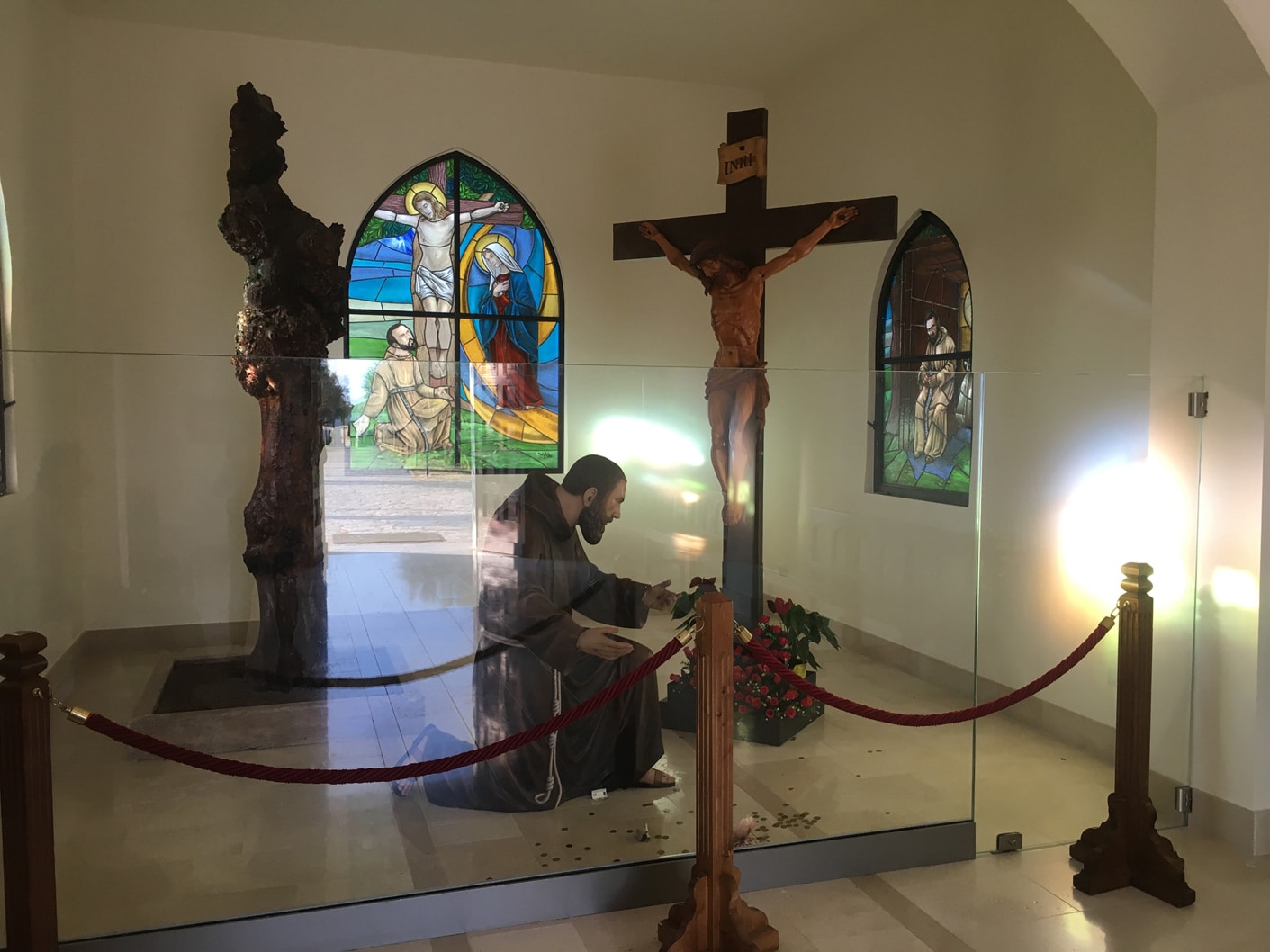
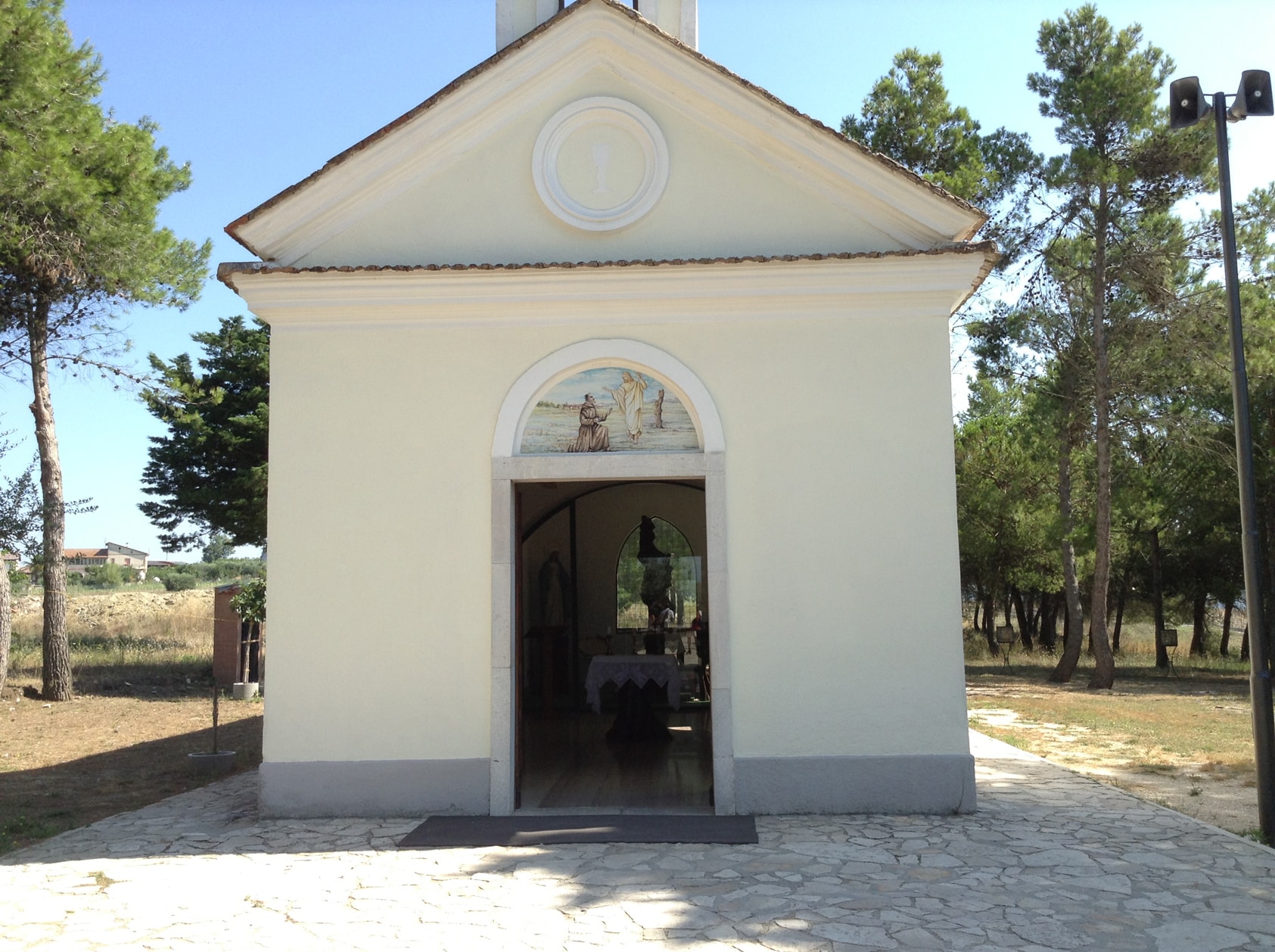
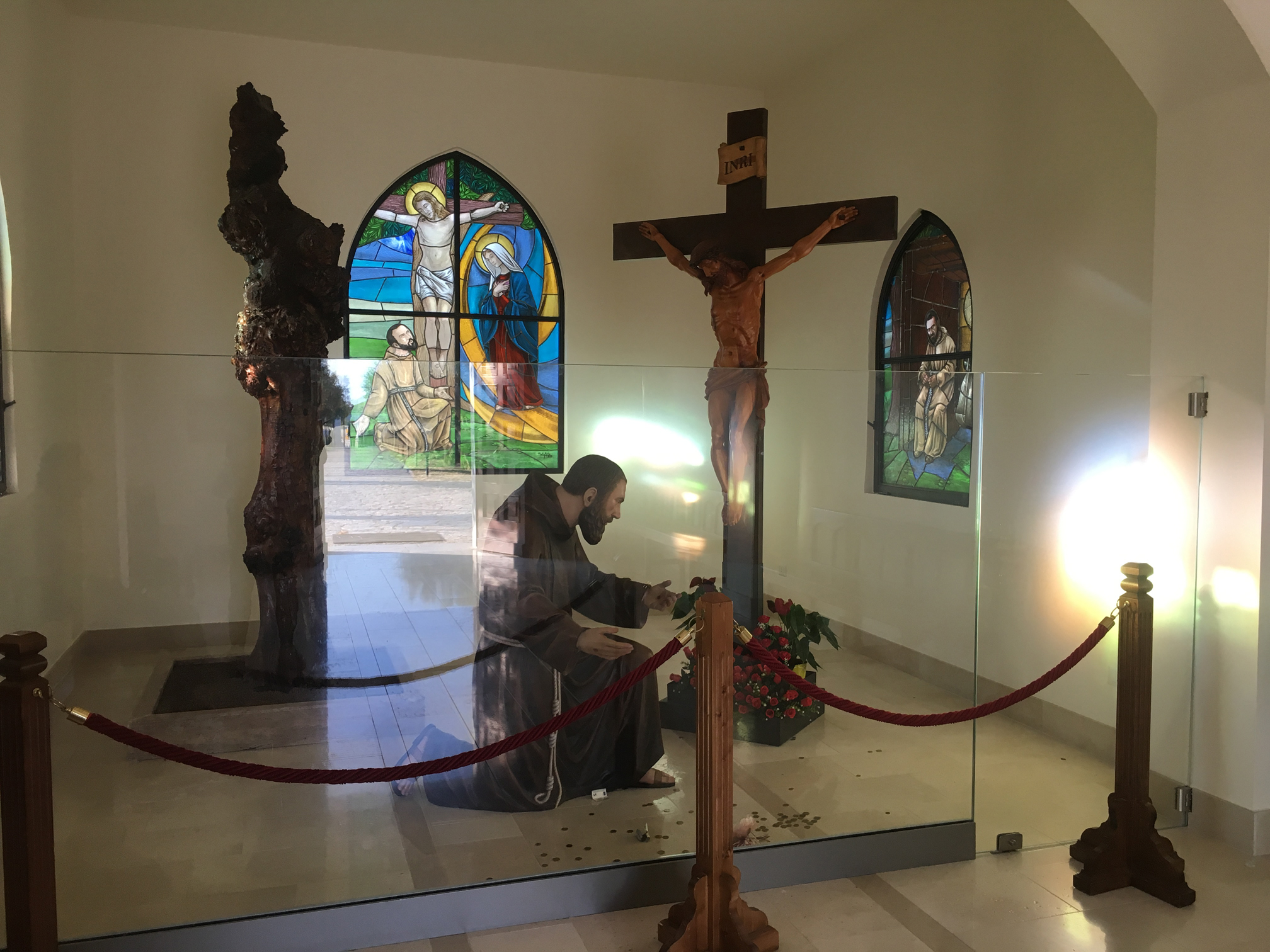
The Preserved Elm Tree (Olmo) where Jesus and Mary stood and Padre Pio received the Stigmata.

The tree is now preserved in the exact place it once grew and a small chapel has been erected around it to preserve the very spot where heaven touched earth in such a real way. Both Jesus and Mary had actually stood with Padre Pio under that tree. Perhaps this was what he was referring to when he confided:

“In Pietrelcina there was Jesus and everything started there”

As Cardinal Comastri said in his sermon to the people of Pietrelcina, like Jacob exclaimed after the famous vision of the ladder that stretched between earth and heaven,  “The Lord is in this place and I did not know it. This is the house of God, this is the gate of Heaven “ (Genesis 28,16-17)


'Olmo' Chapel & Garden


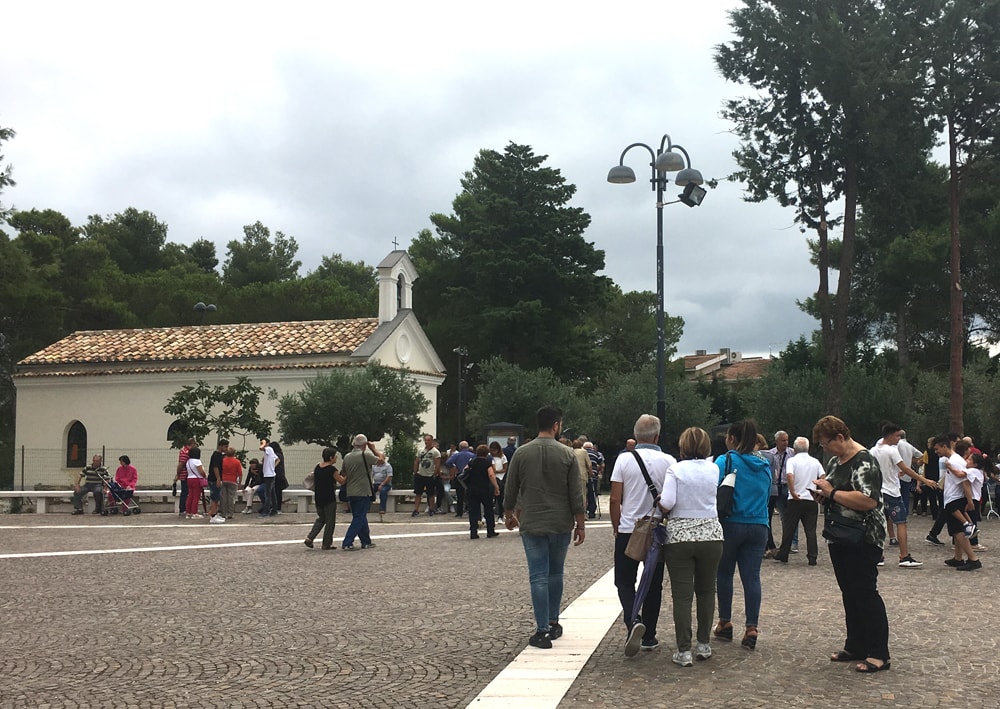
Chapel of the 'Olmo' Piana Romana

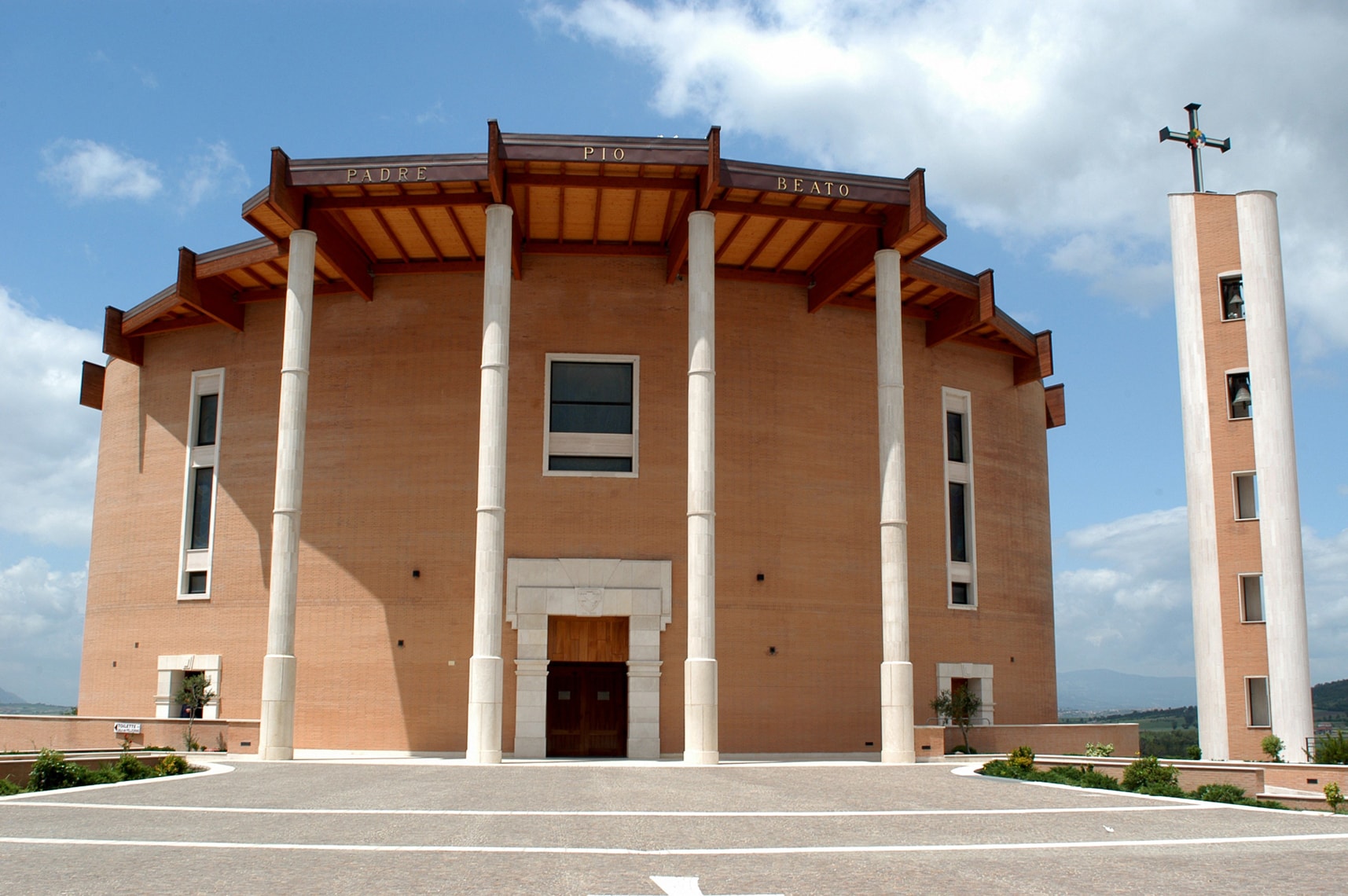
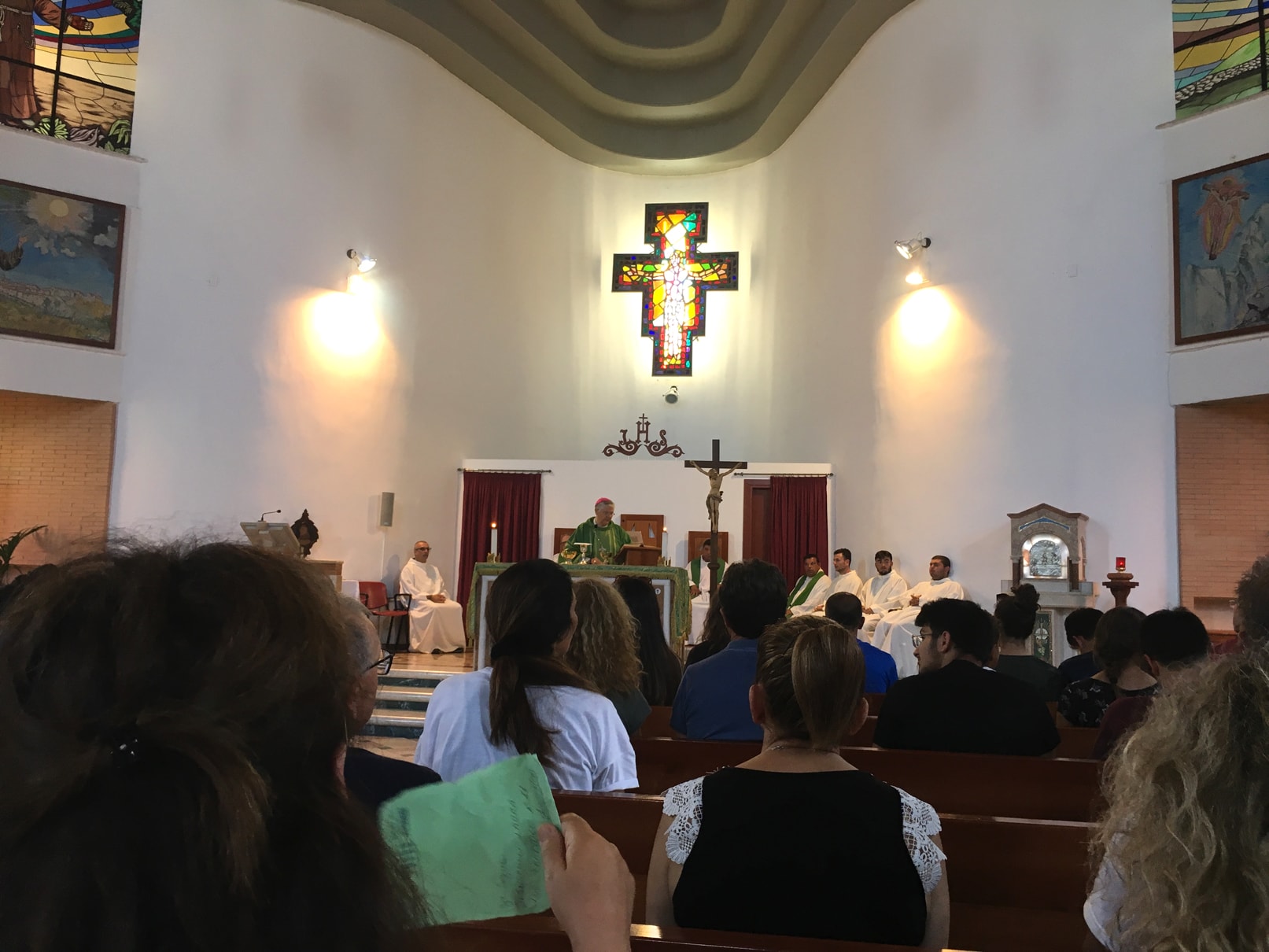
As the years passed and the pilgrim steadily increased, there was a need people to hear mass and go to confession. The large sanctuary of Piana Romana was built to meet this need. It now stands alongside the shrine and can be seen, with its distinctive shell-shaped roof, for many miles around the countryside.


Piana Romana Sanctuary


Within this sanctuary, besides the paintings of St. Padre Pio and St. Francis receiving the Stigmata, are two other remarkable works of art.


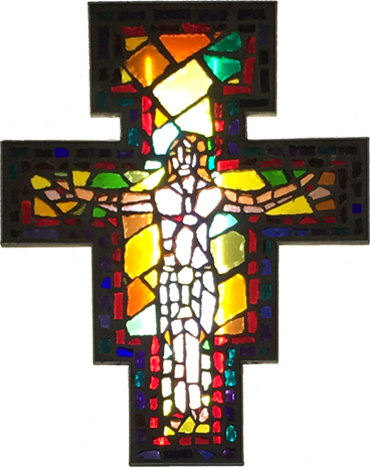
Piana Romana Church Cross

One is a light-filled crucifix on the wall behind the altar.

This is a most beautiful depiction of God’s light coming through his Son’s sacrifice at the moment of our redemption.

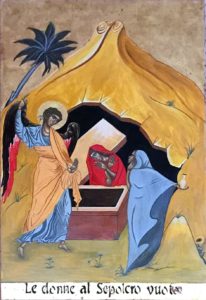
The empty Tomb Resurrection IconThe second is the set of 14 Icons of the Resurrection. These are placed around the walls of the sanctuary in the place you would normally find ‘The Stations of the Cross’  The ‘Stations of the Resurrection’ depict the main events which happened after the Resurrection and reach their climax at the birth of the church – the descent of Holy Spirit on 120 of the followers of Jesus, including the Apostles and the Virgin Mary who were all gathered in the ‘Upper Room’.

We have created a separate page which is dedicated to these icons as they represent a call to hope and conversion in the meditation of these events. Please click on the following link to go to the Stations of the Resurrection page

Outside, a new section is now under construction. This will provide an outdoor ‘Stations of the Cross’ where it will be possible to follow the route of Jesus’ passion amidst the sights and sounds of nature. We will update you on the progress of this project at a later date.

Rosary Walk part 2

Rosary Walk Rocky path

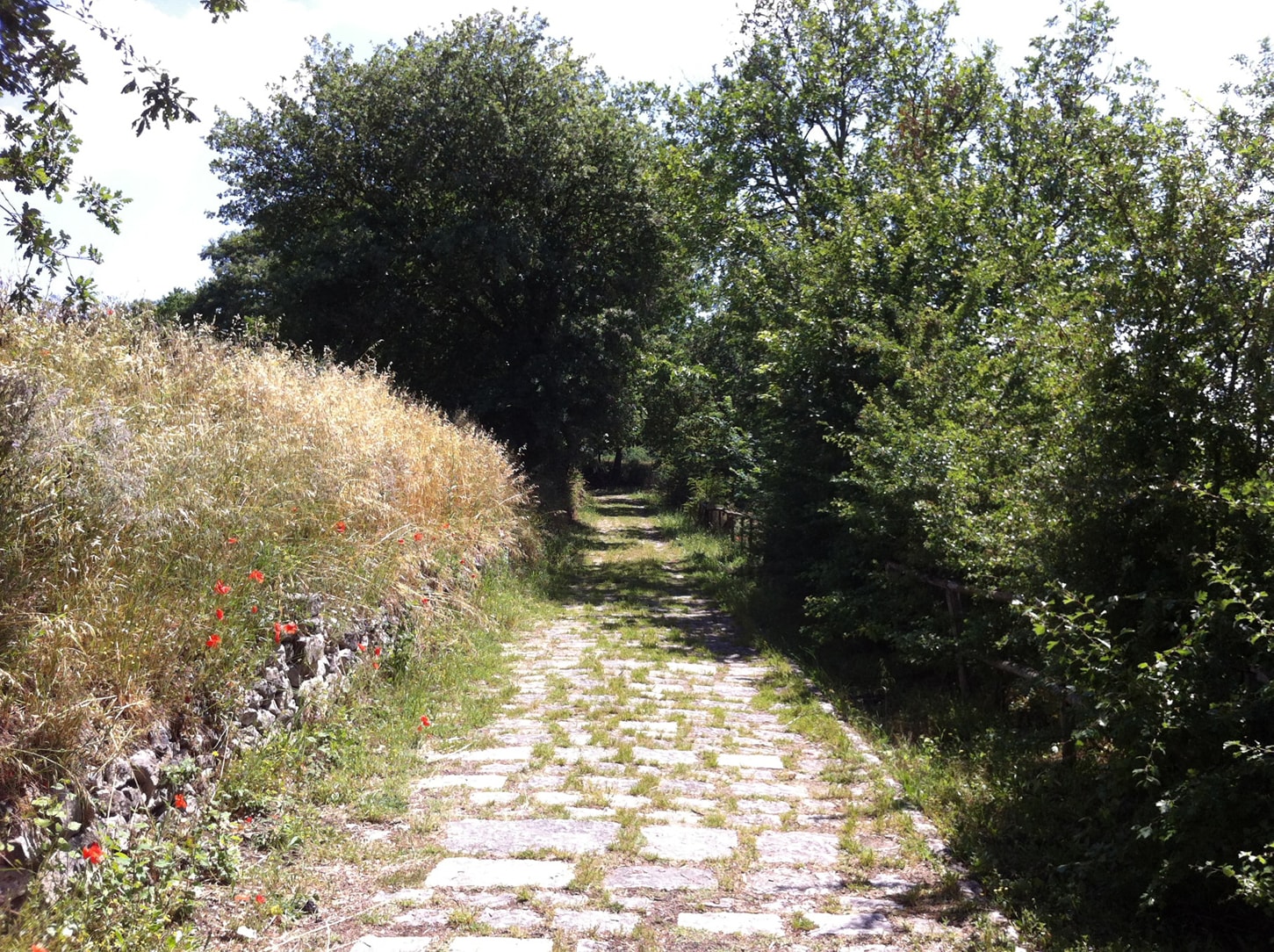
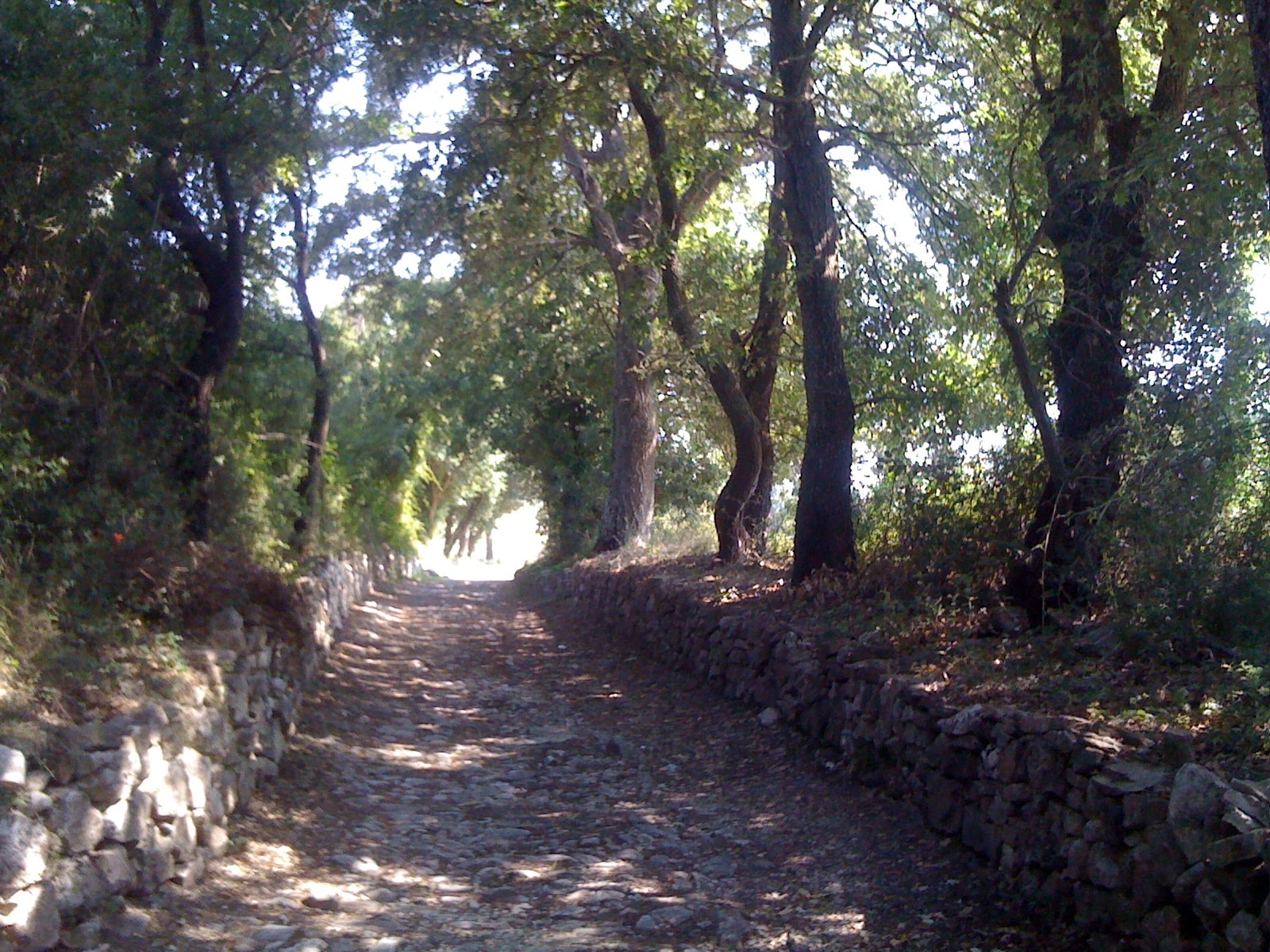
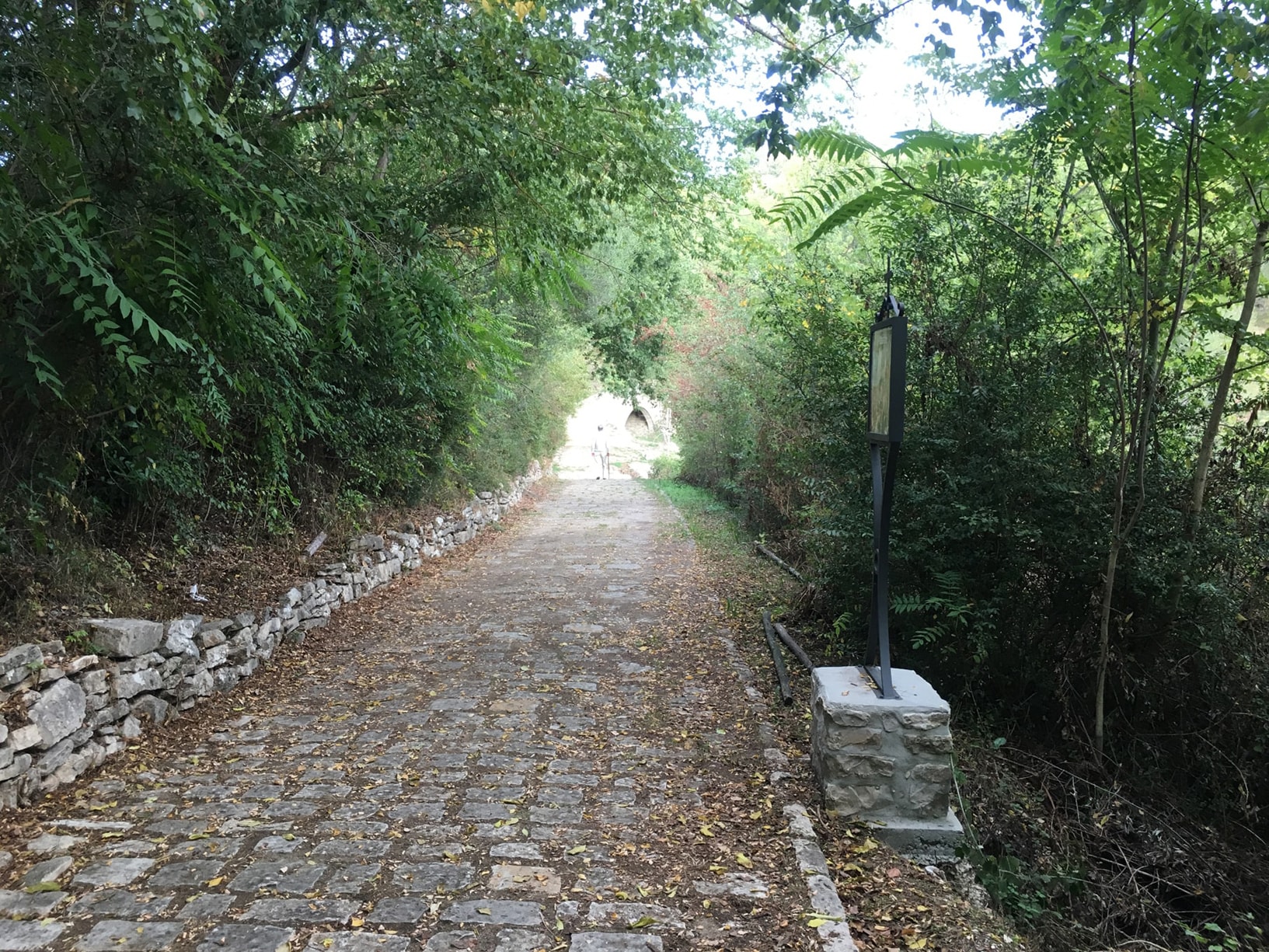
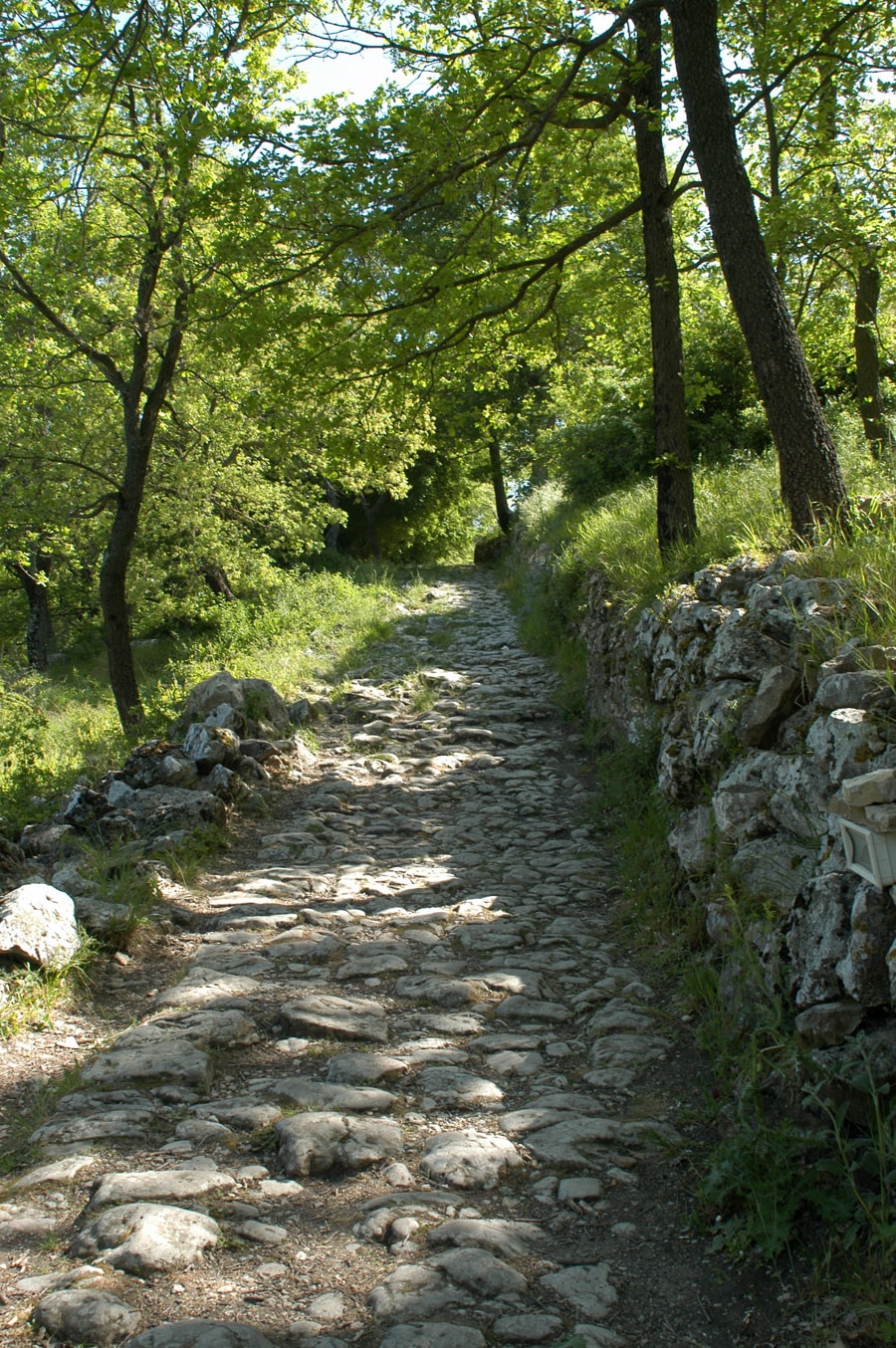
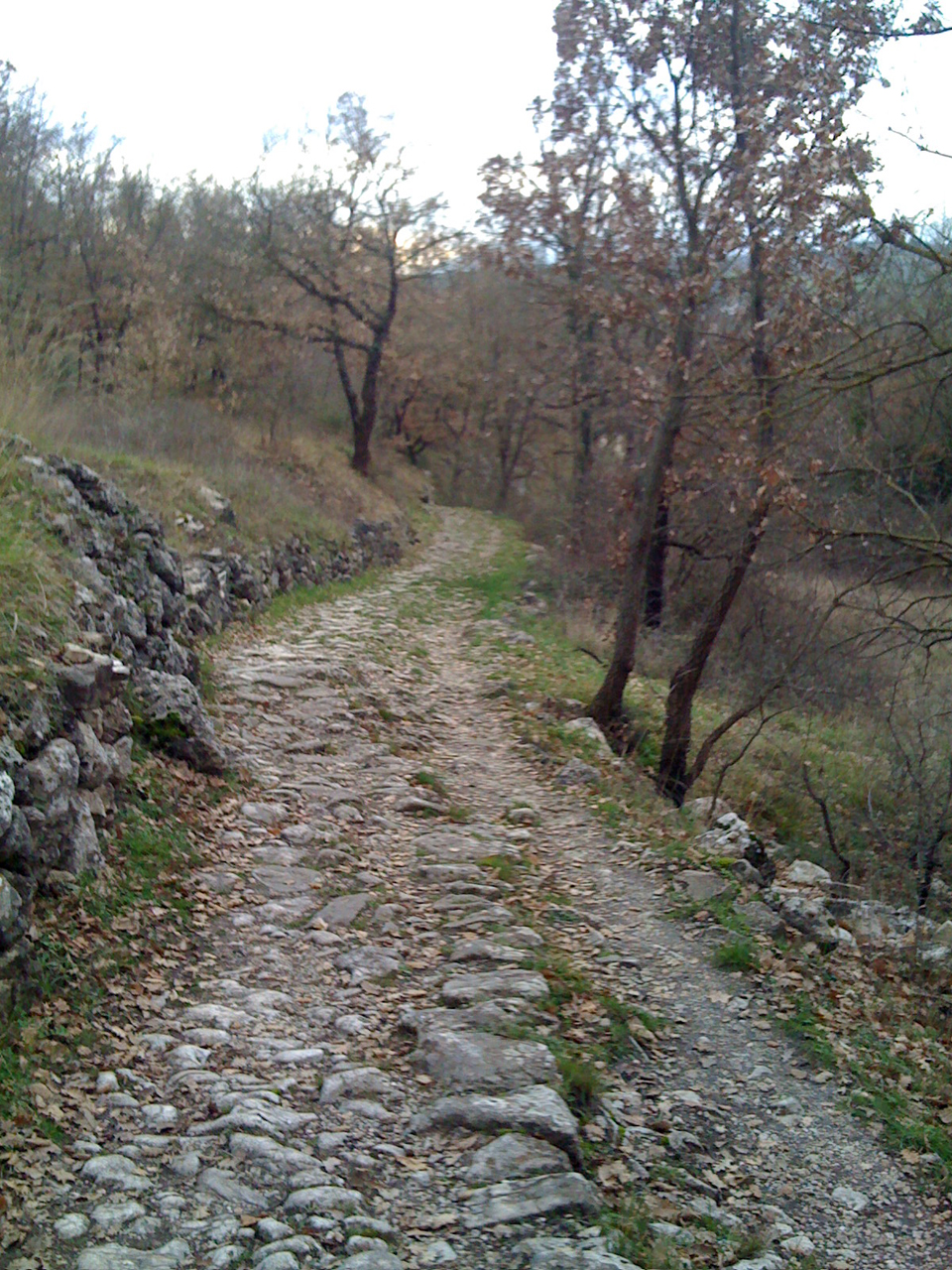
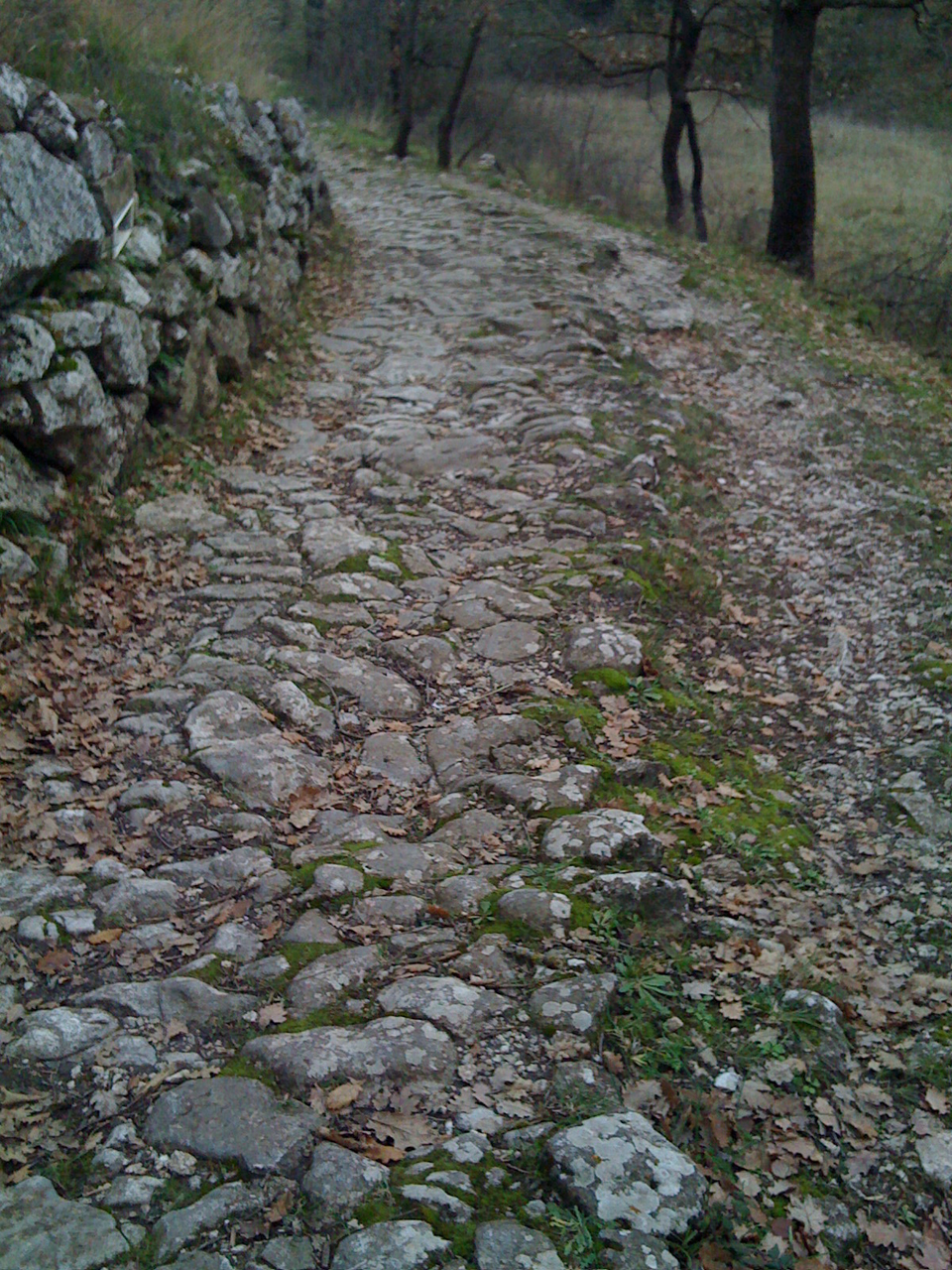
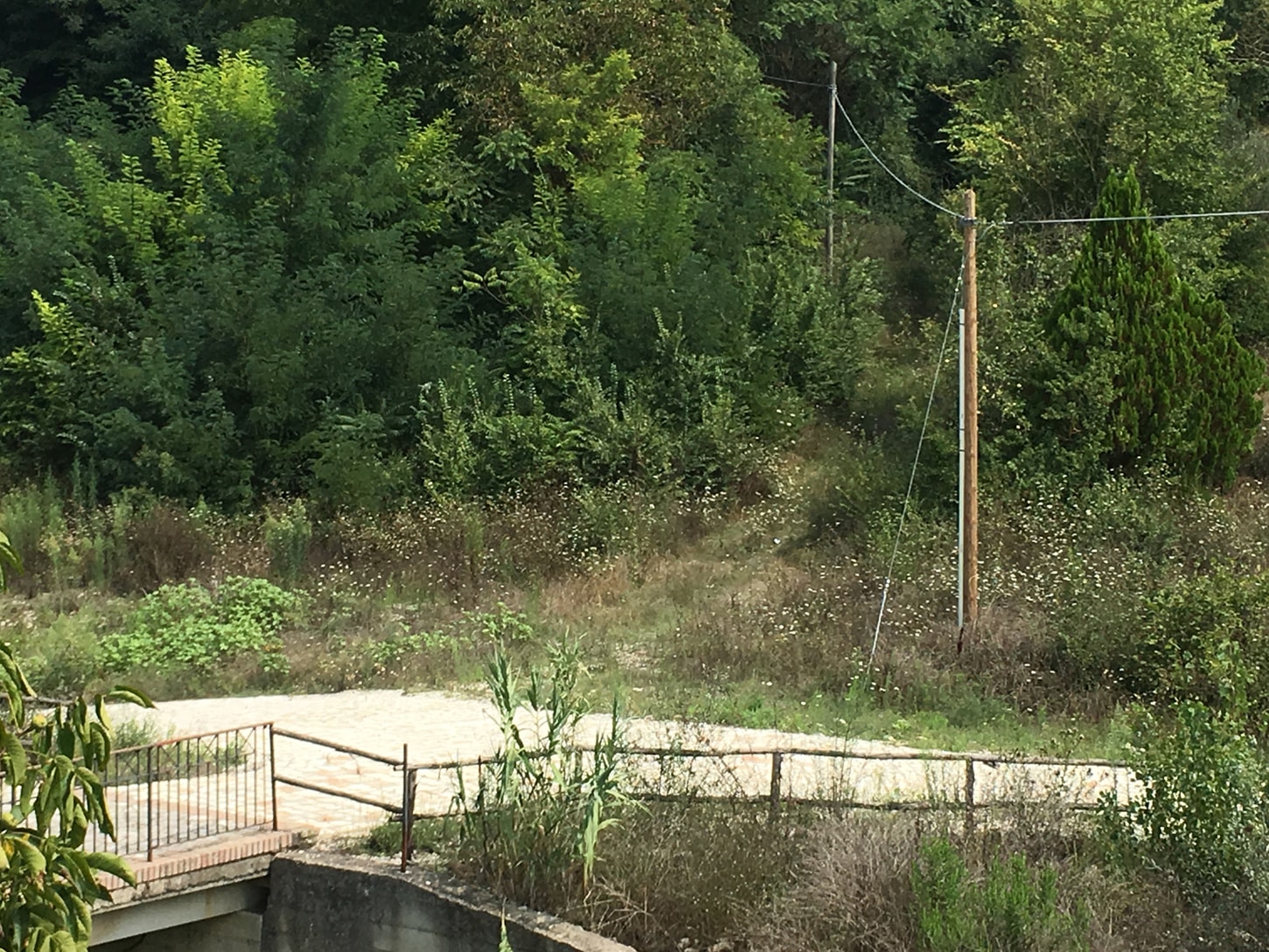
Leaving the bridge behind Padre Pio and his family would turn left and knew they were in for a climb up a rocky slope. I must admit, this section, although only about 100 meters long, is a bit of a challenge for the ‘over 60’s’. Still it is not so bad and we have done it many, many times.

When the hill flattens out he would come to the farmhouse belonging to the Frangioso family. Perhaps he stopped and said “Buongiorno” or “Buona sera”. He might even have stopped for a friendly chat or said a quick prayer with them.

Whatever the significance, the last owner of the house who lived in America, left it to the town in her will and it is preserved and looked after by the Commune in Pietrelcina.


Rosary Walk Rough part


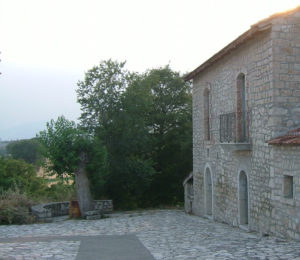
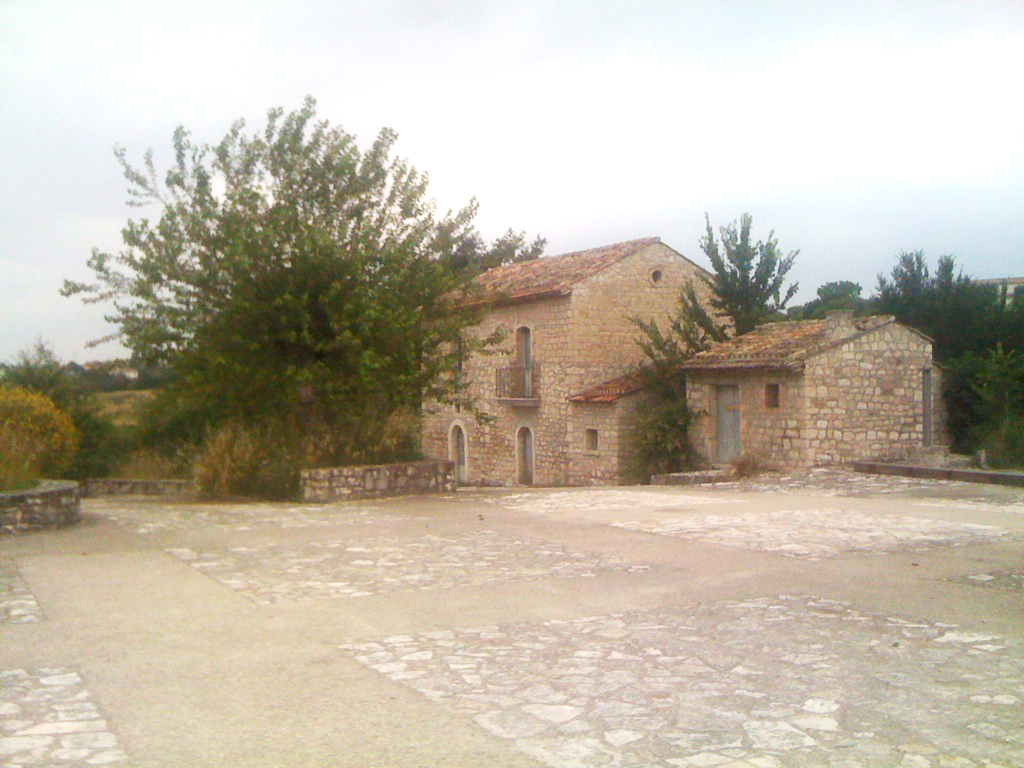
Stone farmhouse on Rosary Walk

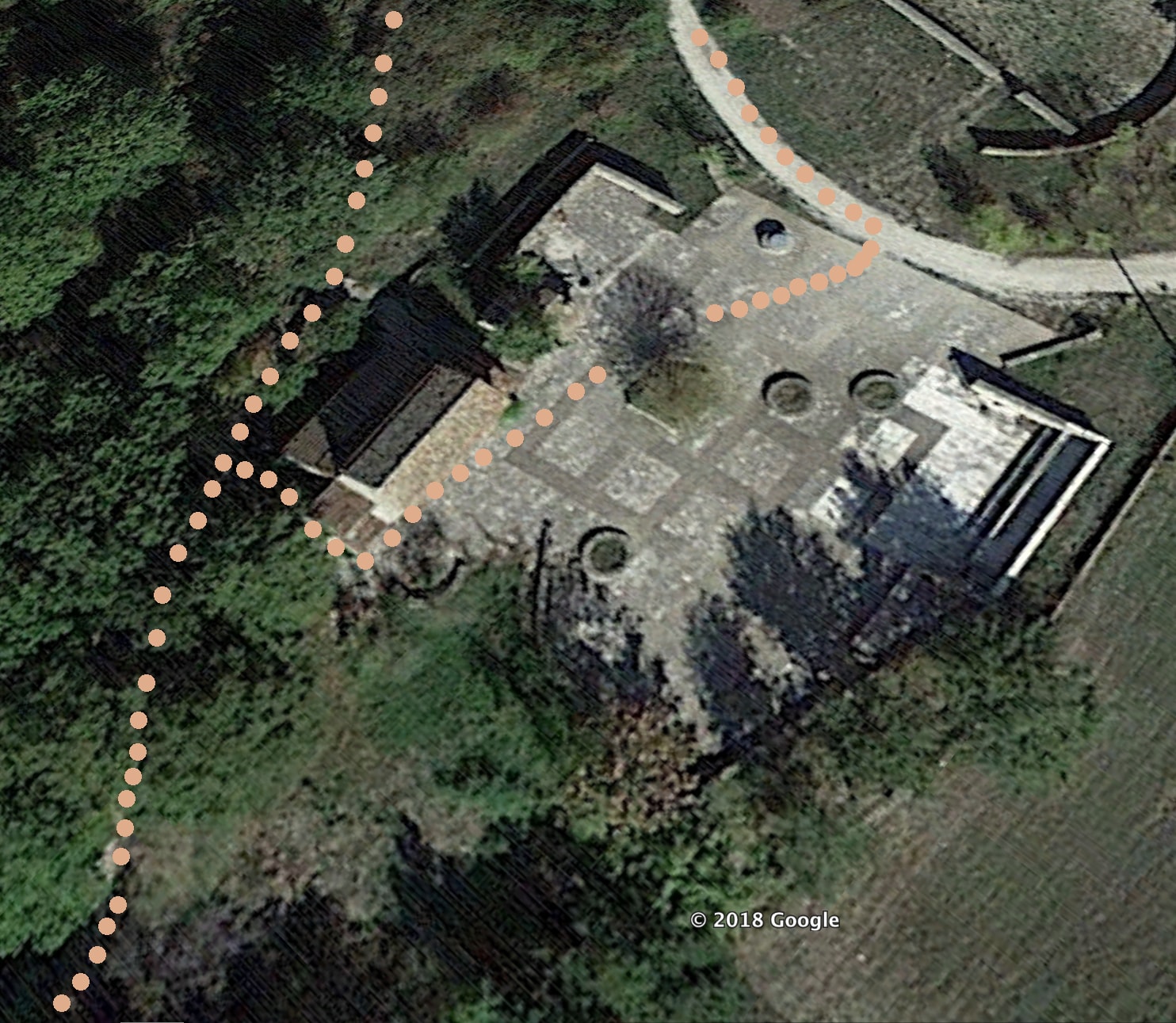
Front of houseSince we are now in the 21st century, we can use an image from Google maps, to show the two routes you can take when you reach the stone farmhouse. You can keep going straight on the rough path or you can take a temporary diversion by entering into the paved area in front of the house. This will take you back to the Rosary Walk in 50 meters by a more manageable route.


Choice of turn on Rosary Walk


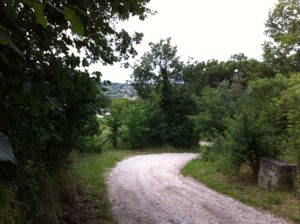
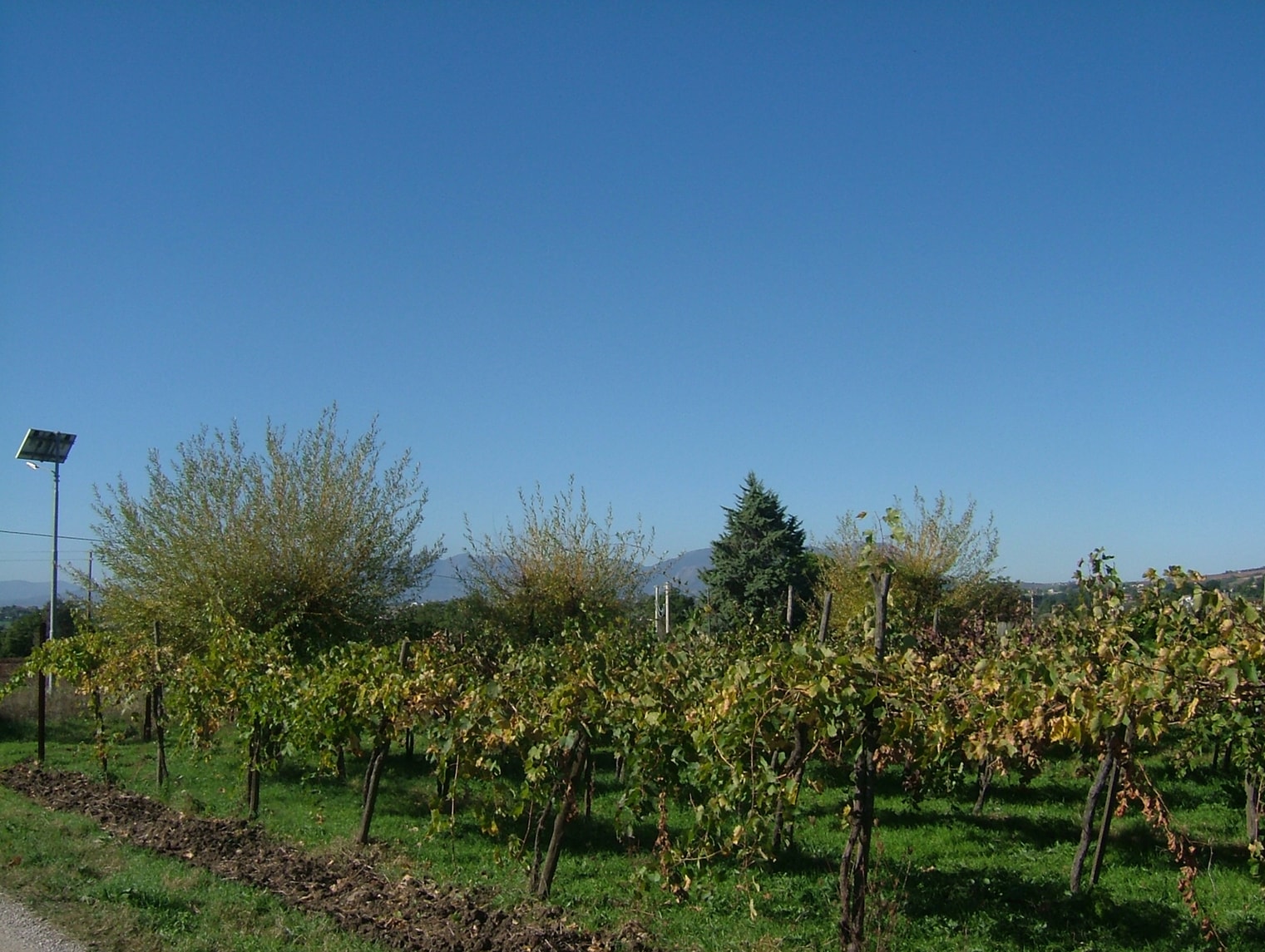
Rosary Walk Top alternate pathEither way, you will soon pass some farmhouses and all the rough ground will be behind you.  The shady, closed views of the path will now open up into wide vistas of farmland and vines


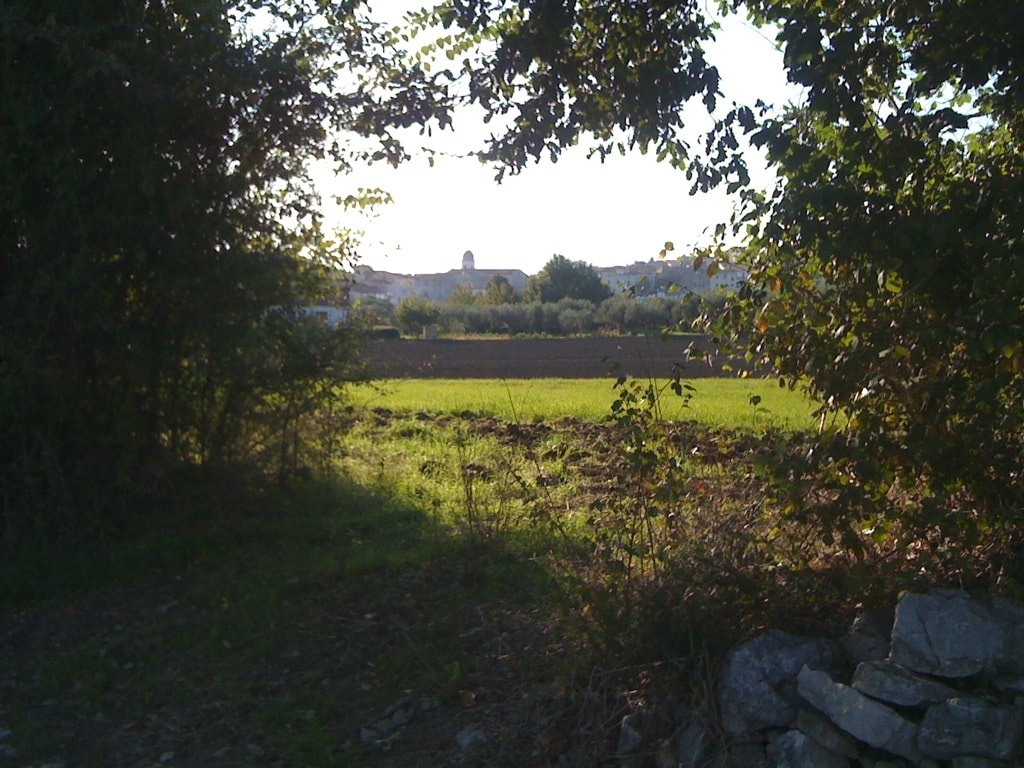
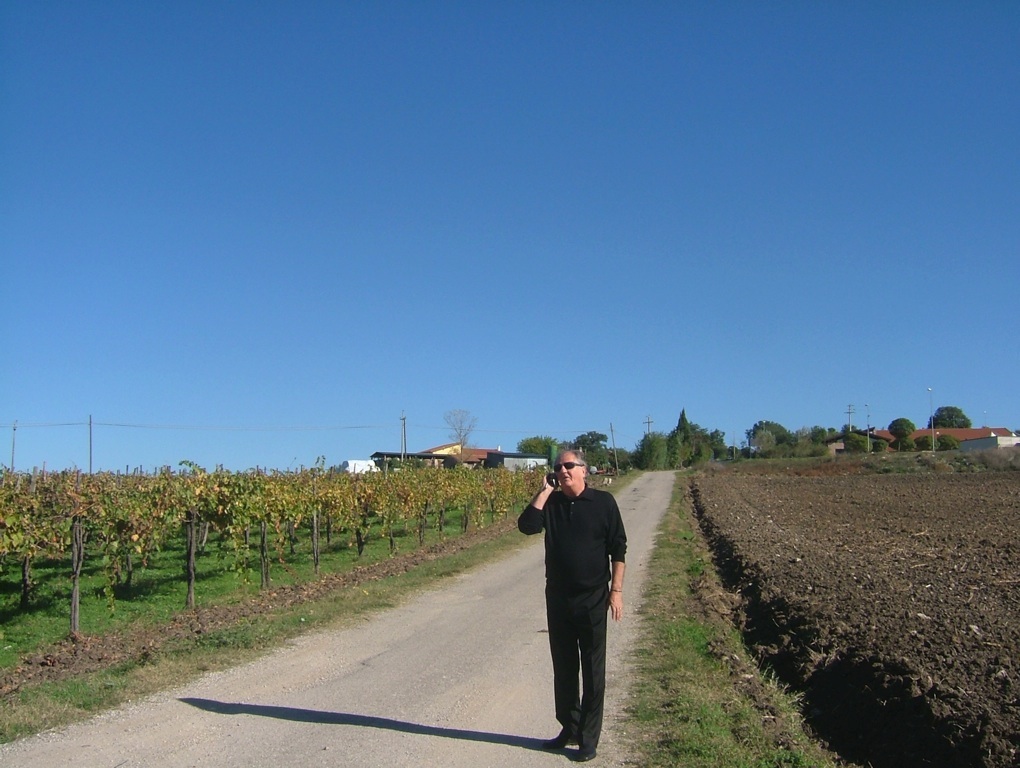
You will now be able to travel along well maintained roads and, like Padre Pio before you, you have now reached the plain of Piana Romana

The roads here are well signposted and it is about a 15 minute walk to reach the shrine


The Open Plain of Piana Romana


You will now be able to travel along well maintained roads and, like Padre Pio before you, you have now reached the plain of Piana Romana

The roads here are well signposted and it is about a 15 minute walk to reach the shrine


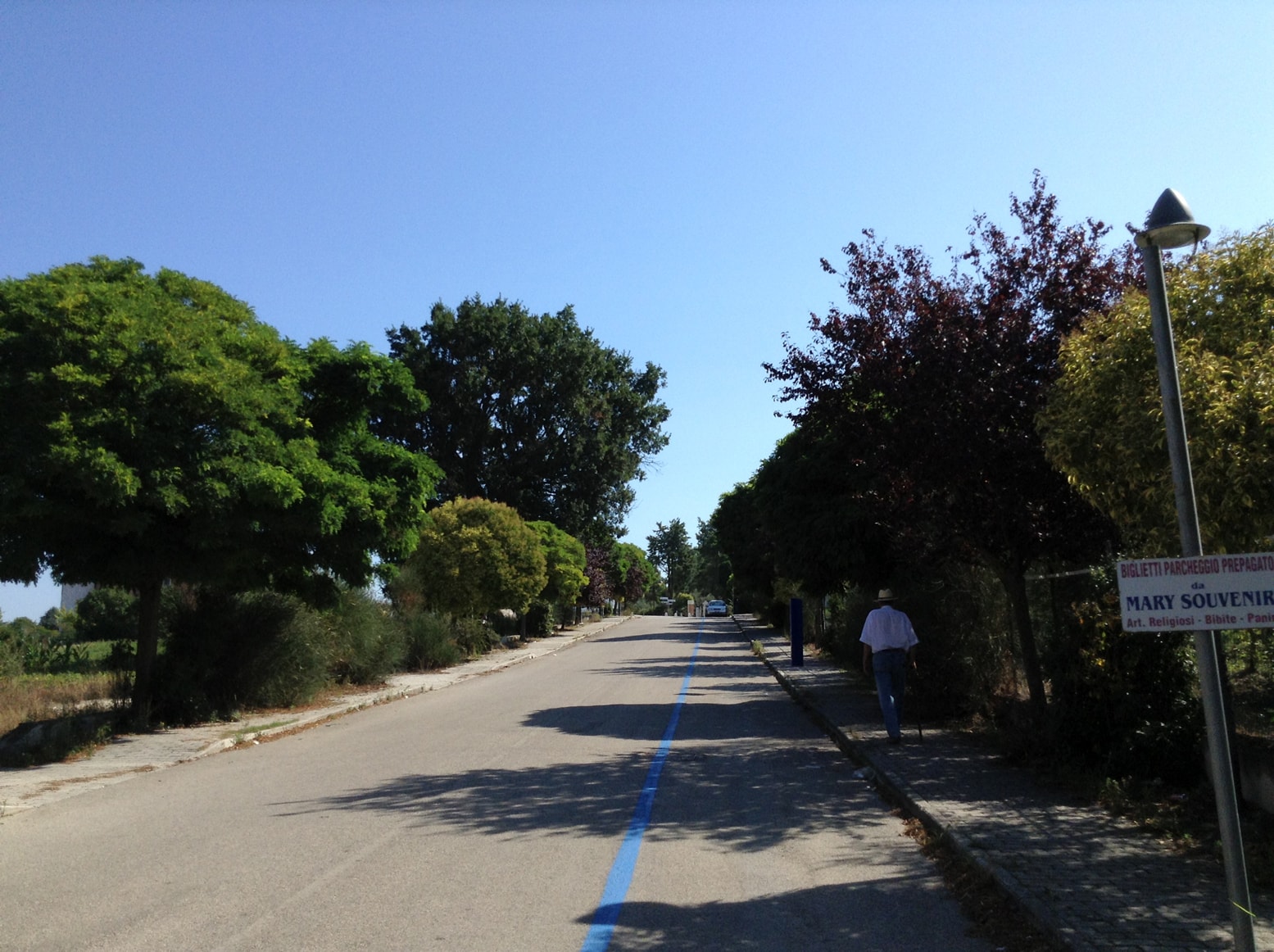
Road leading to the gates


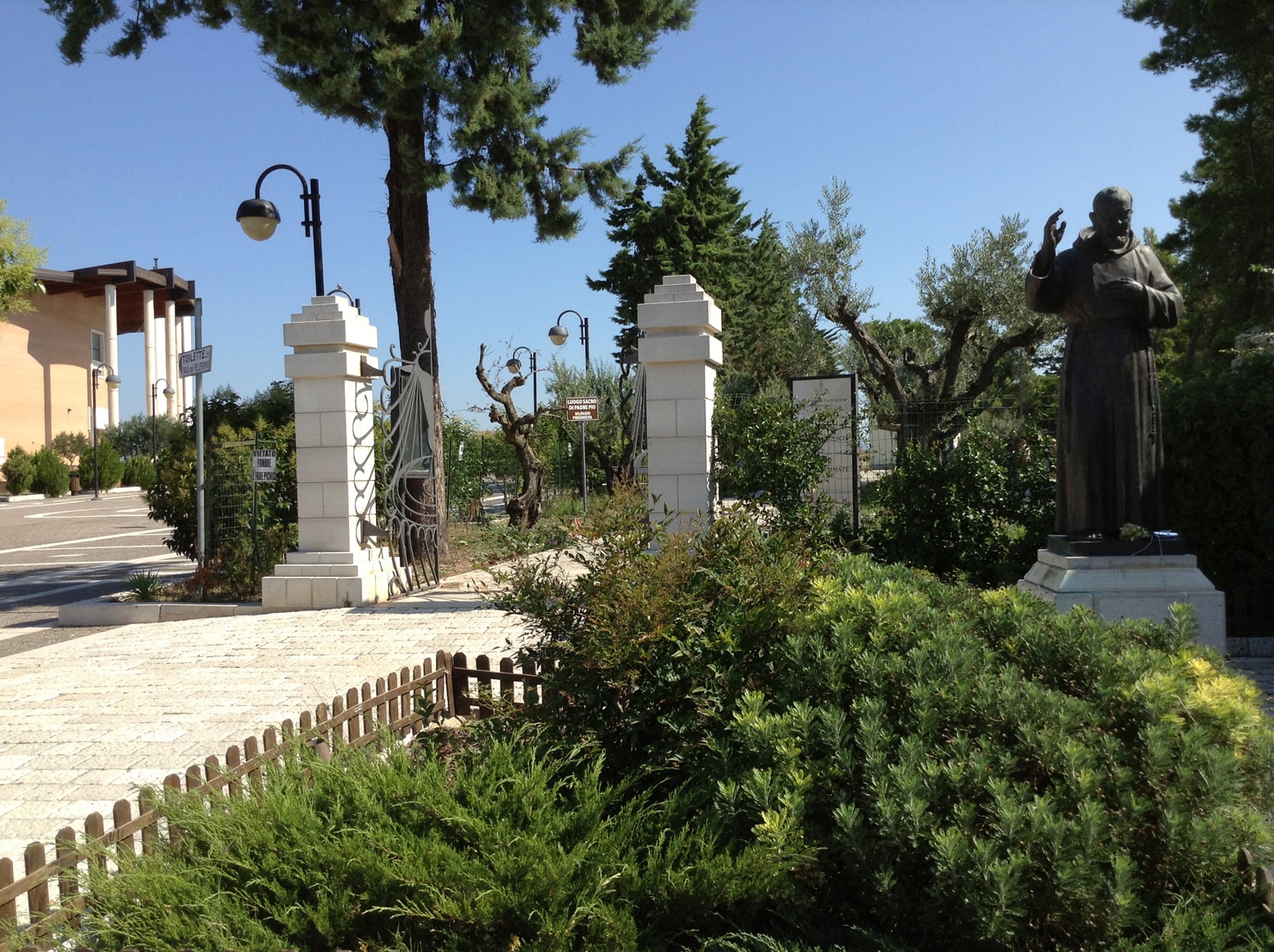
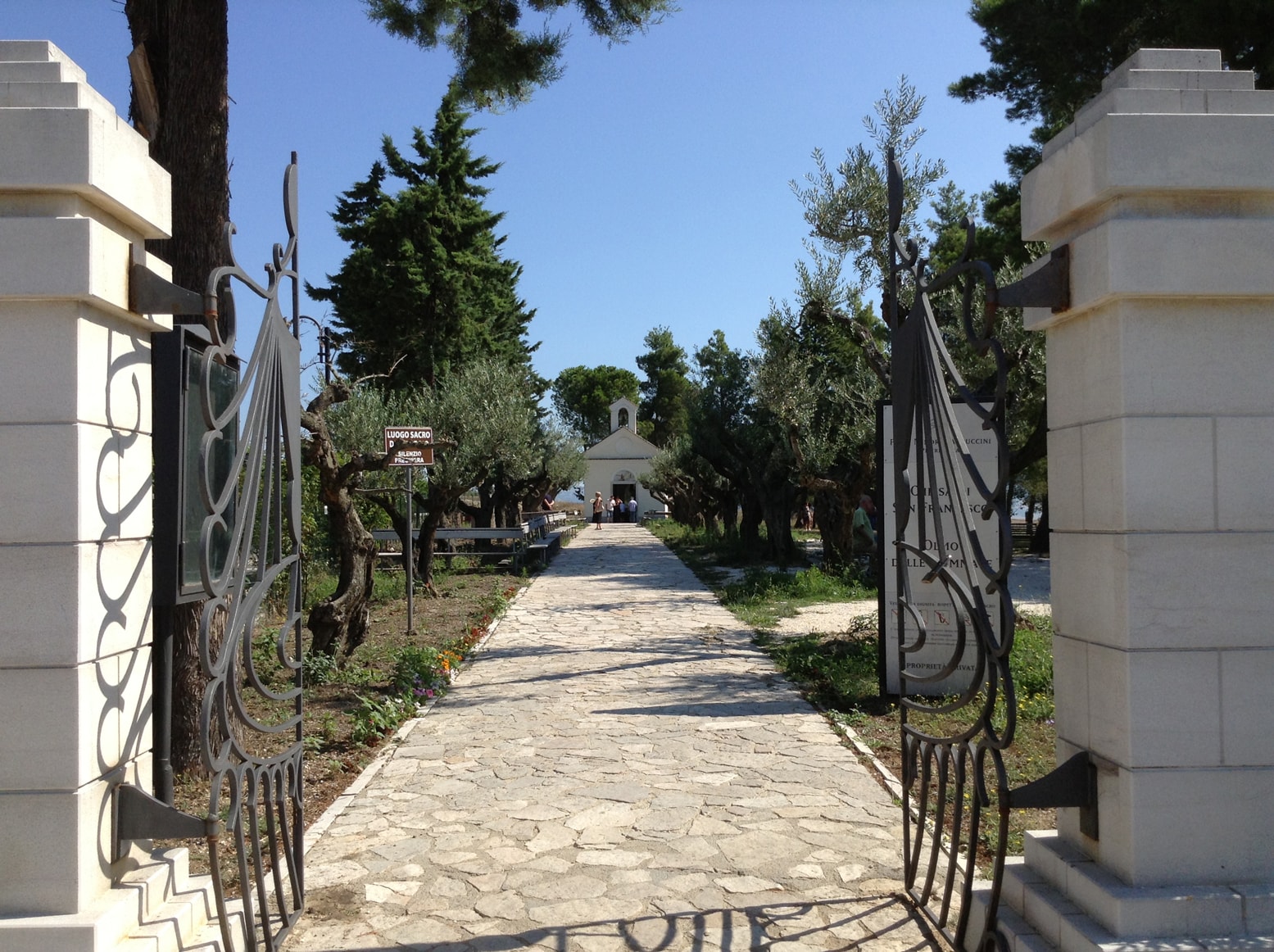
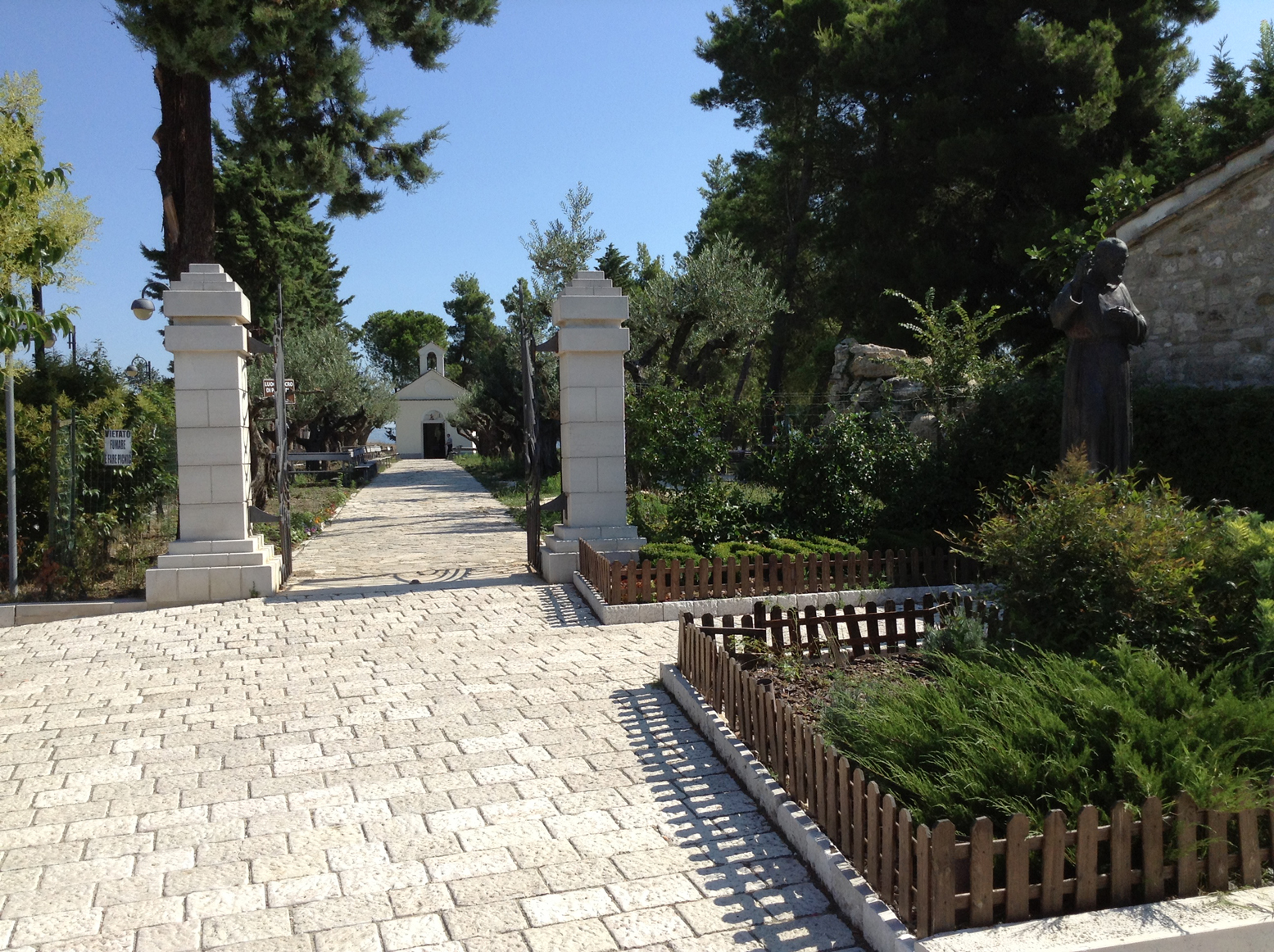
Piana Romana Gates to Chapel


You have arrived. This is where it all began.
Deo Gratias

Video made in 2010 from a collection of photos

The Rosary Walk Bridge

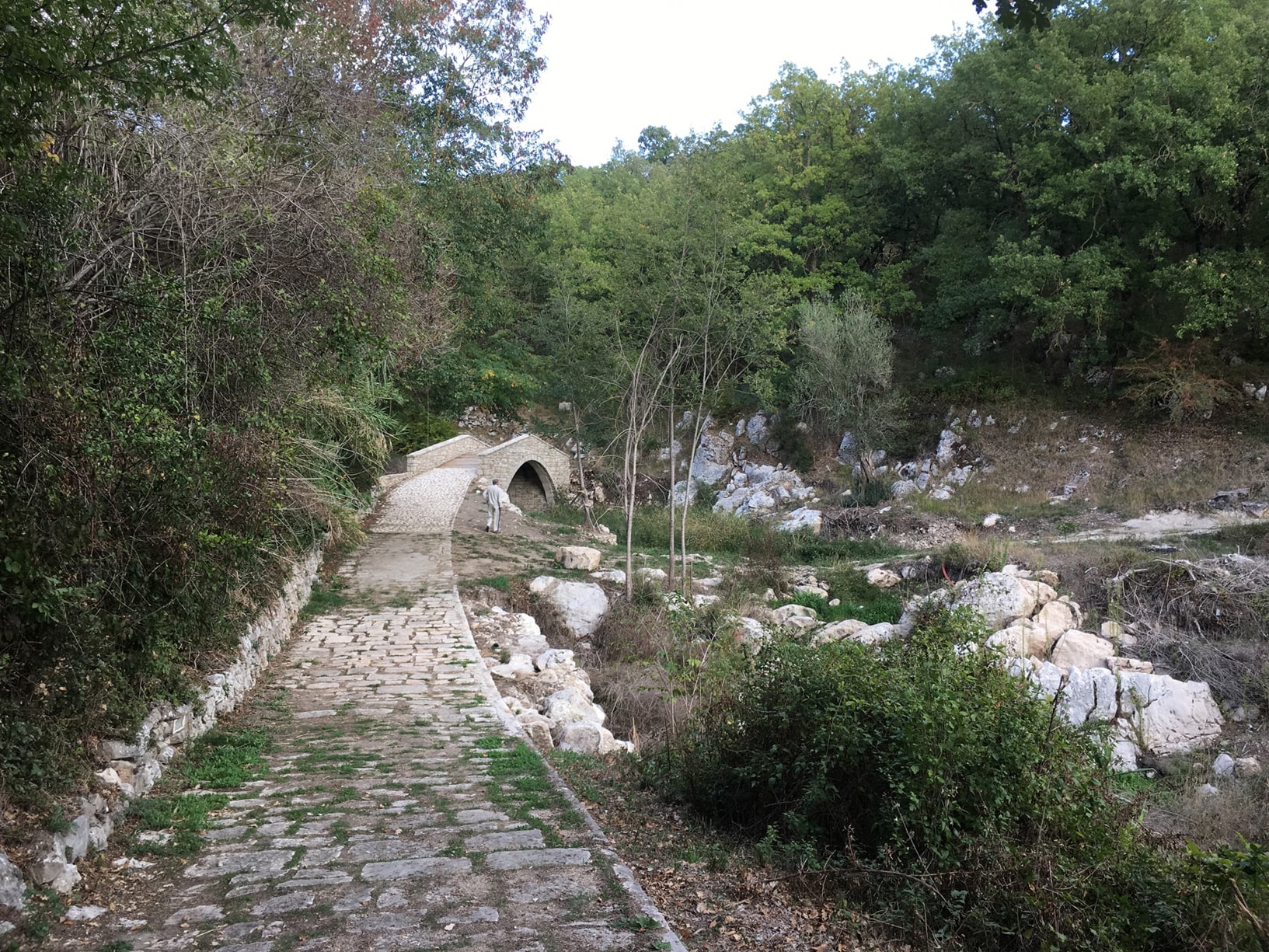
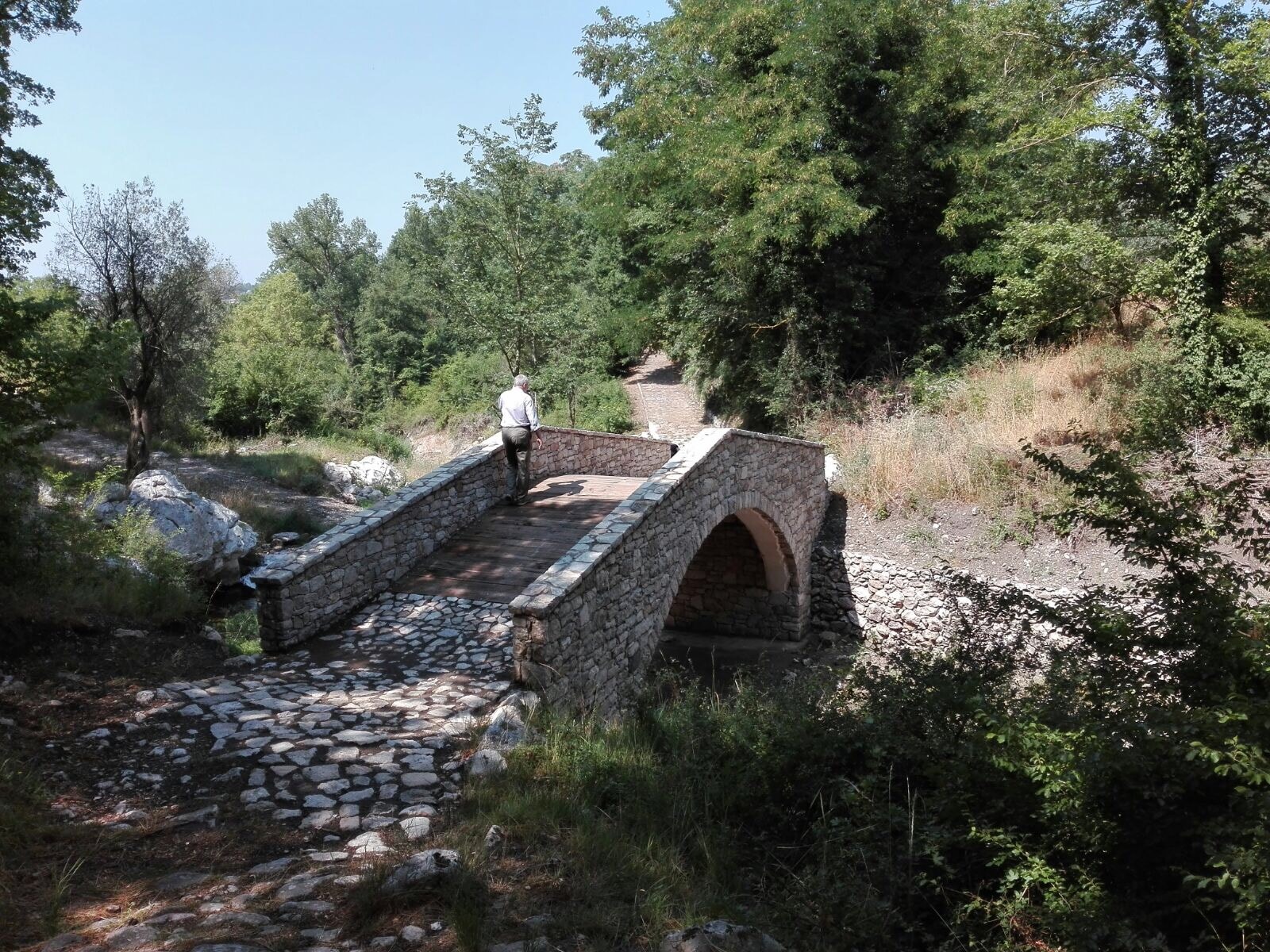
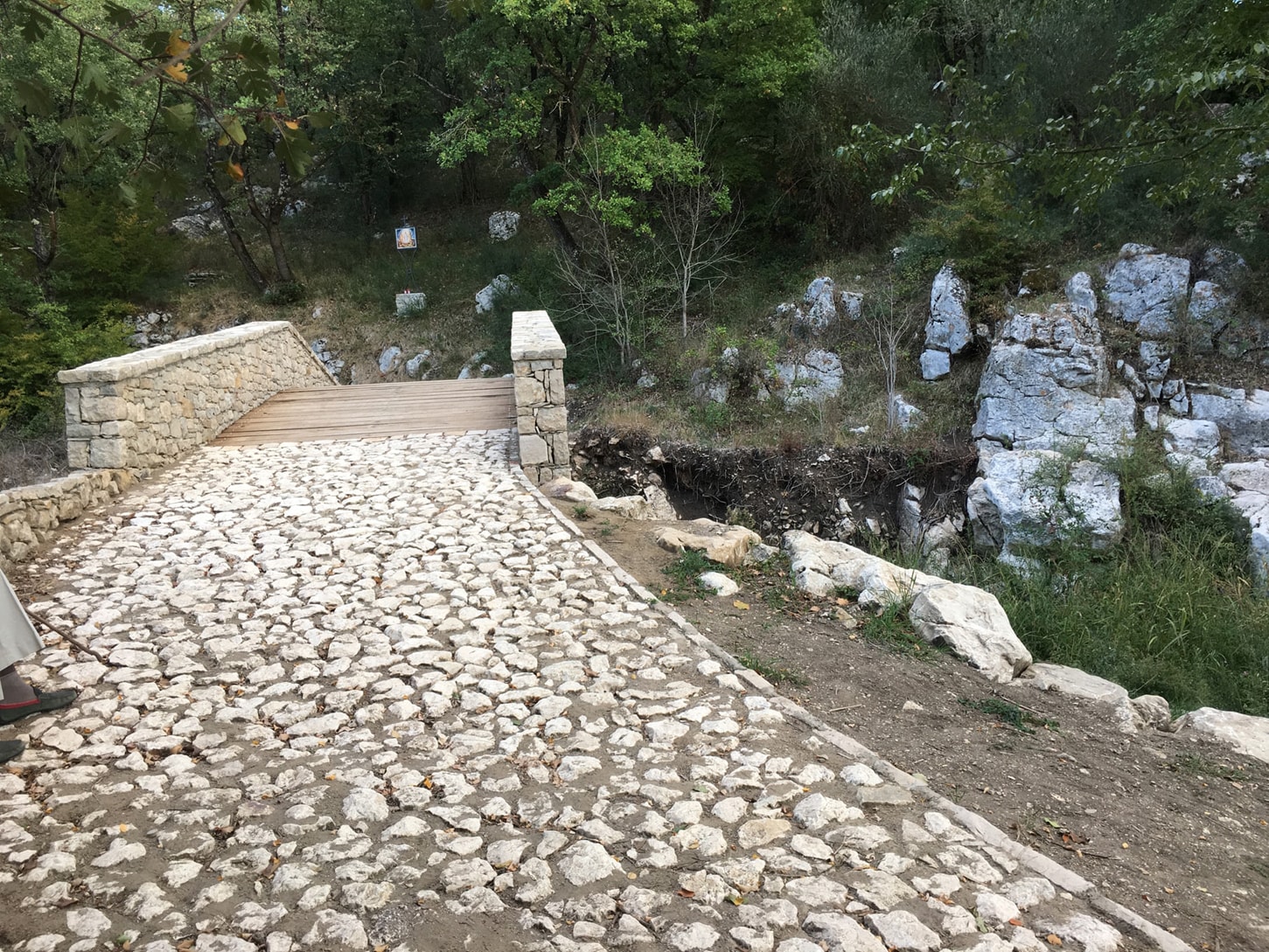
The new Rosary Walk Bridge

This is the bridge at the half-way point in the Rosary Walk.
The above image was taken earlier this year and shows how it looks today. 
This is the story of its re-construction

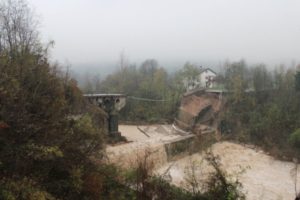
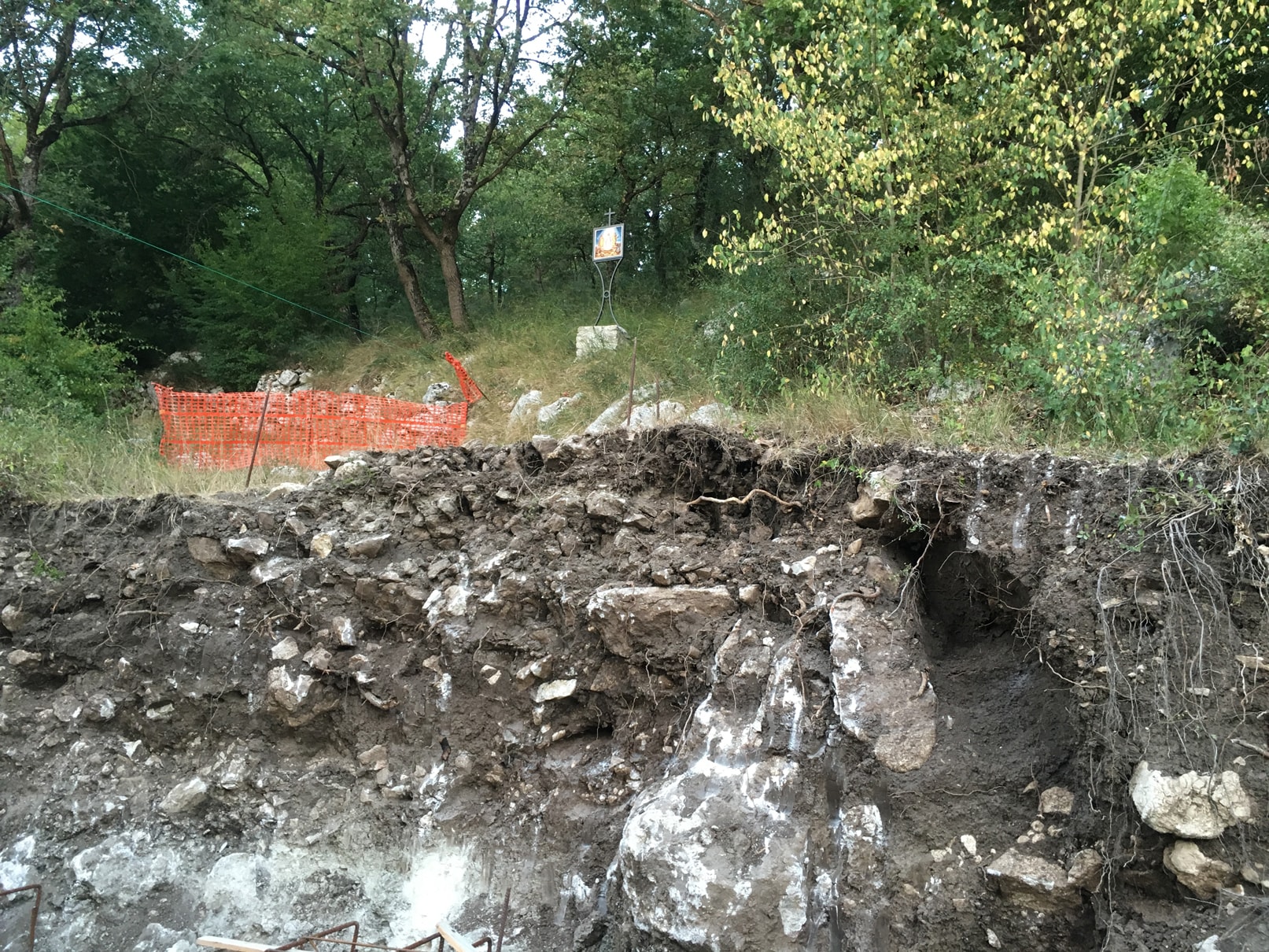
During the night of the 14th October 2015, an extraordinary weather event took place over the Campania region.The following excerpts are taken from the geographical report published in February 2016 by the ‘Rendiconti Online Societa Geologica Italiana’

“On the night between 14th and 15th October 2015, a destructive overflow of the Calore River caused severe damage in the town of Benevento and the surrounding area (i.e., the Sannio area), causing two fatalities. Approximately three centuries ago, on May 23th 1729, while visiting Benevento, Pope Benedict XIII, stated that this town would be much more threatened by the floodings of the Sabato and Calore rivers than by earthquakes (Zazo, 1986; Mazzacca, 1992). These words were not fully considered worthy of attention at that time, and indeed neither in the following centuries, notwithstanding the fact that damage caused by floods in the main town of the Sannio region was often considerable.

The flood event on 14th-15th October 2015 in Benevento significantly affected the natural landscape and human settlements too. This event was very similar to the previous events, such as the flood in Benevento on 2nd October 1949, when the Calore River caused damage to properties and twenty casualties. ….

The area affected by the rainstorm during 14th and 15th October 2015 was the central-southern area of Italy, where many rivers overflowed. However, the rainstorm was particularly intense in Benevento and its surrounding areas. This territory mostly coincides with the Calore River basin. The Calore River originates from the Accellica Mount, in the central part of the Campania region and it crosses the town of Benevento. …….

The reason I am mentioning this detail is because it is important to know just how widespread and devastating this flooding event was.

Considering that Pietrelcina is criss-crossed by many small rivers and is part of the Benevento area, it follows that it sustained a lot of damage. 

Fortunately it happened during the night therefore there were few people about and no one was near the bridges. However, some residents did go and investigate to see what was happening and witnessed a great wall of water crashing through the small rivulets around the town.

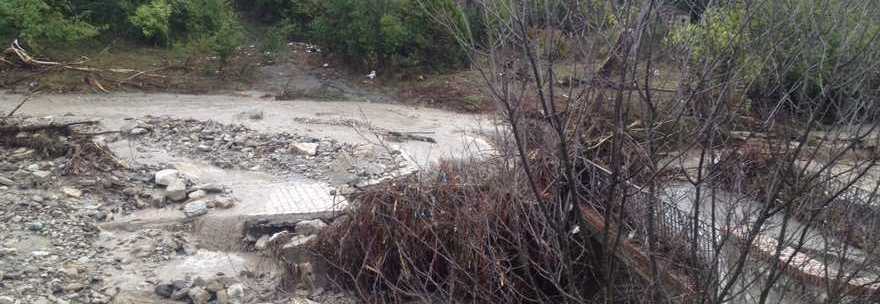
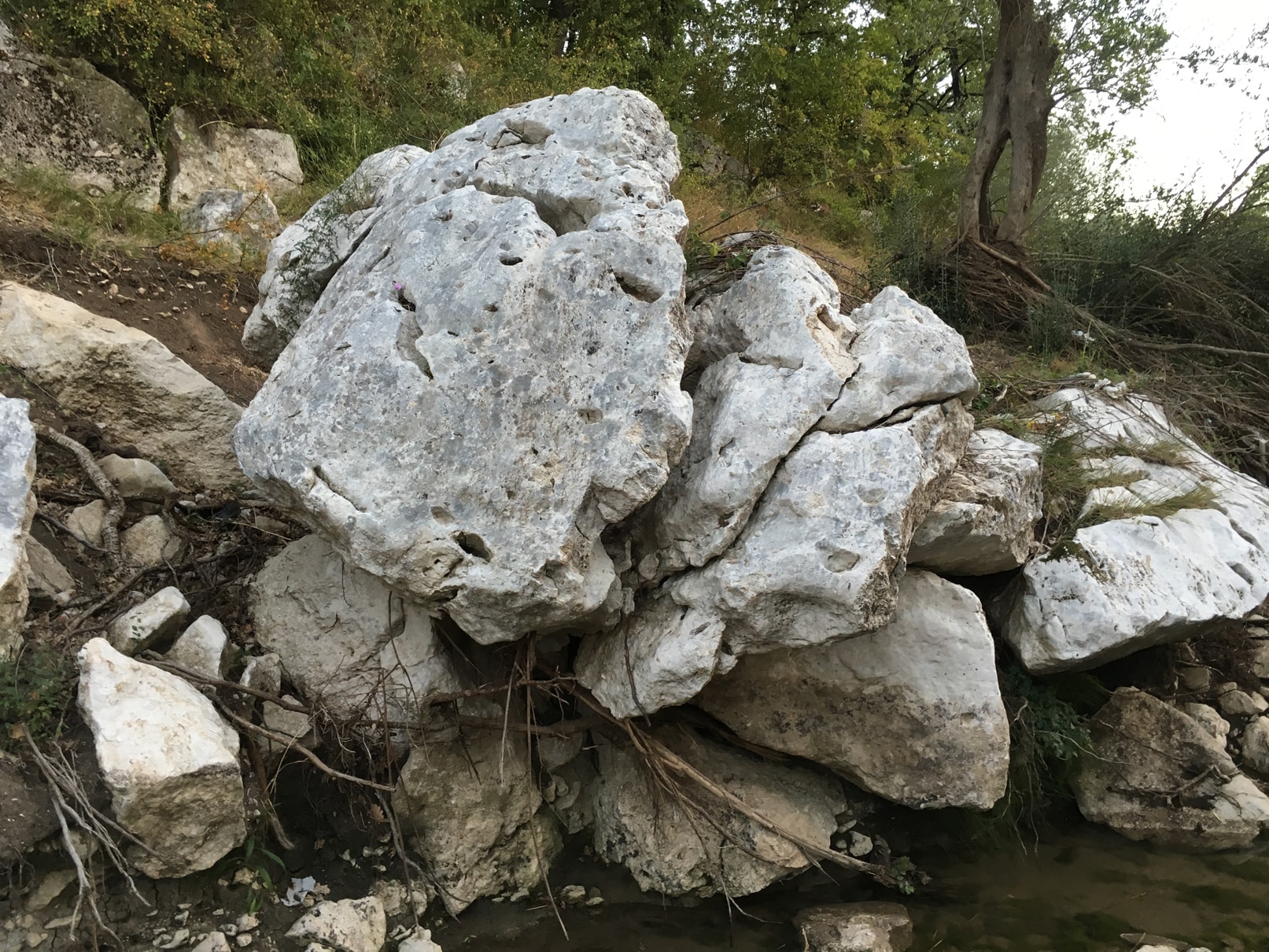
The noise was horrendous as it carried away huge boulders, bridges and even some livestock in its path. Trees which had stood along the riverside where swept away like toothpicks and after the surge had passed great gullies had been created filled with mud, debris and huge boulders. 


Bridge damage near town
Flooded start of the Rosary Walk – It remained impassable for months

Massive boulders
Boulders around the Rosary Walk Bridge

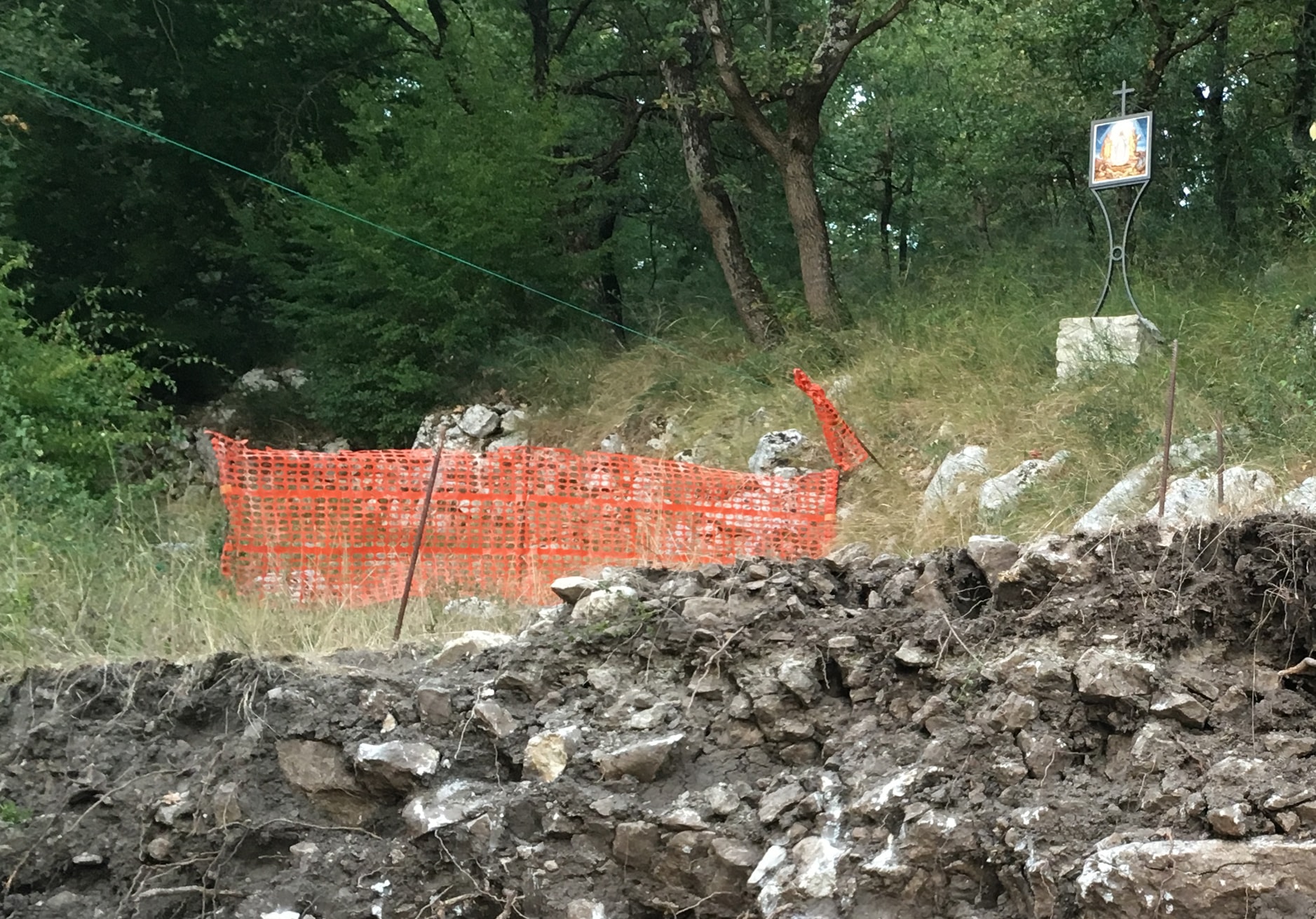
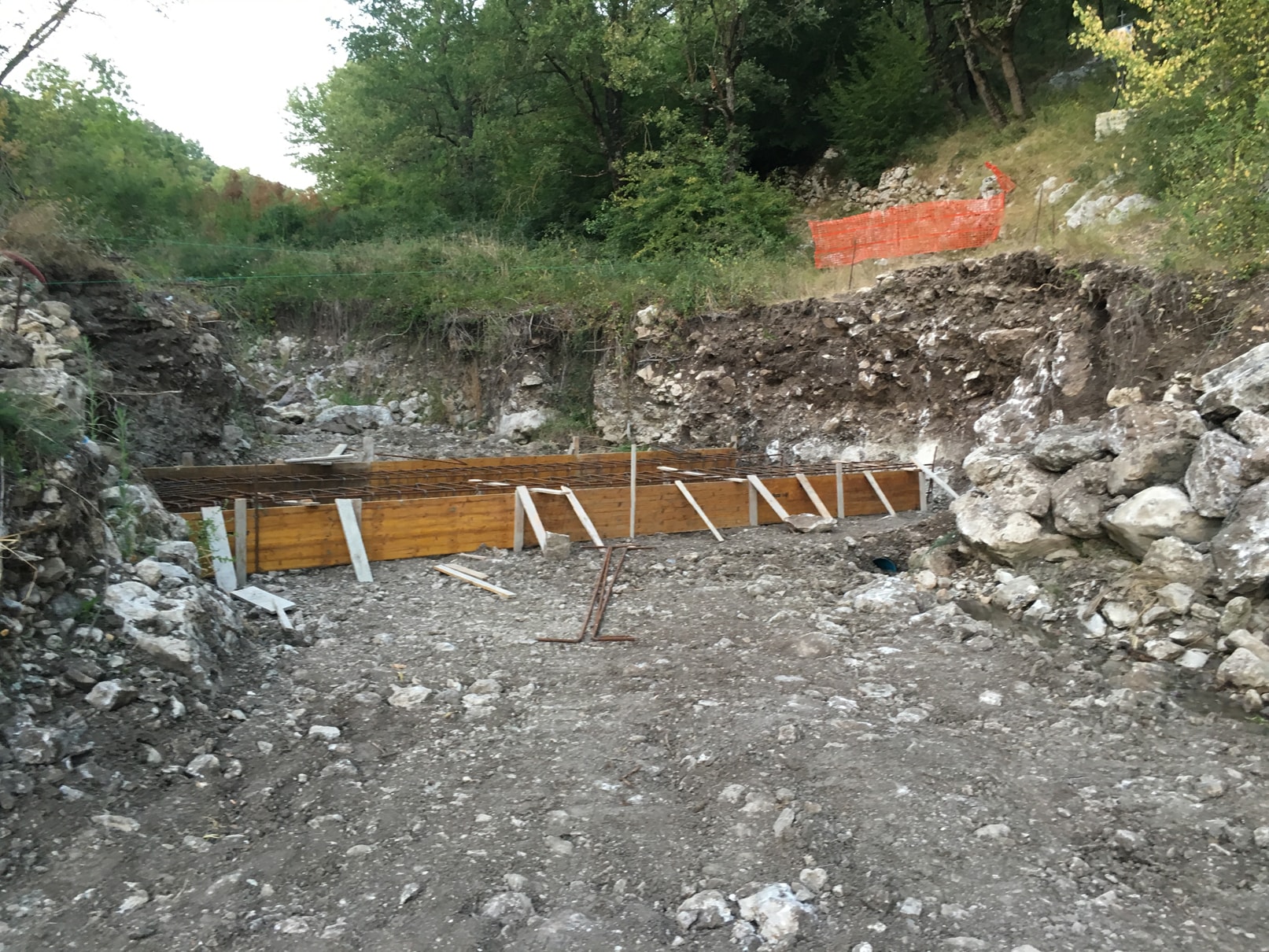
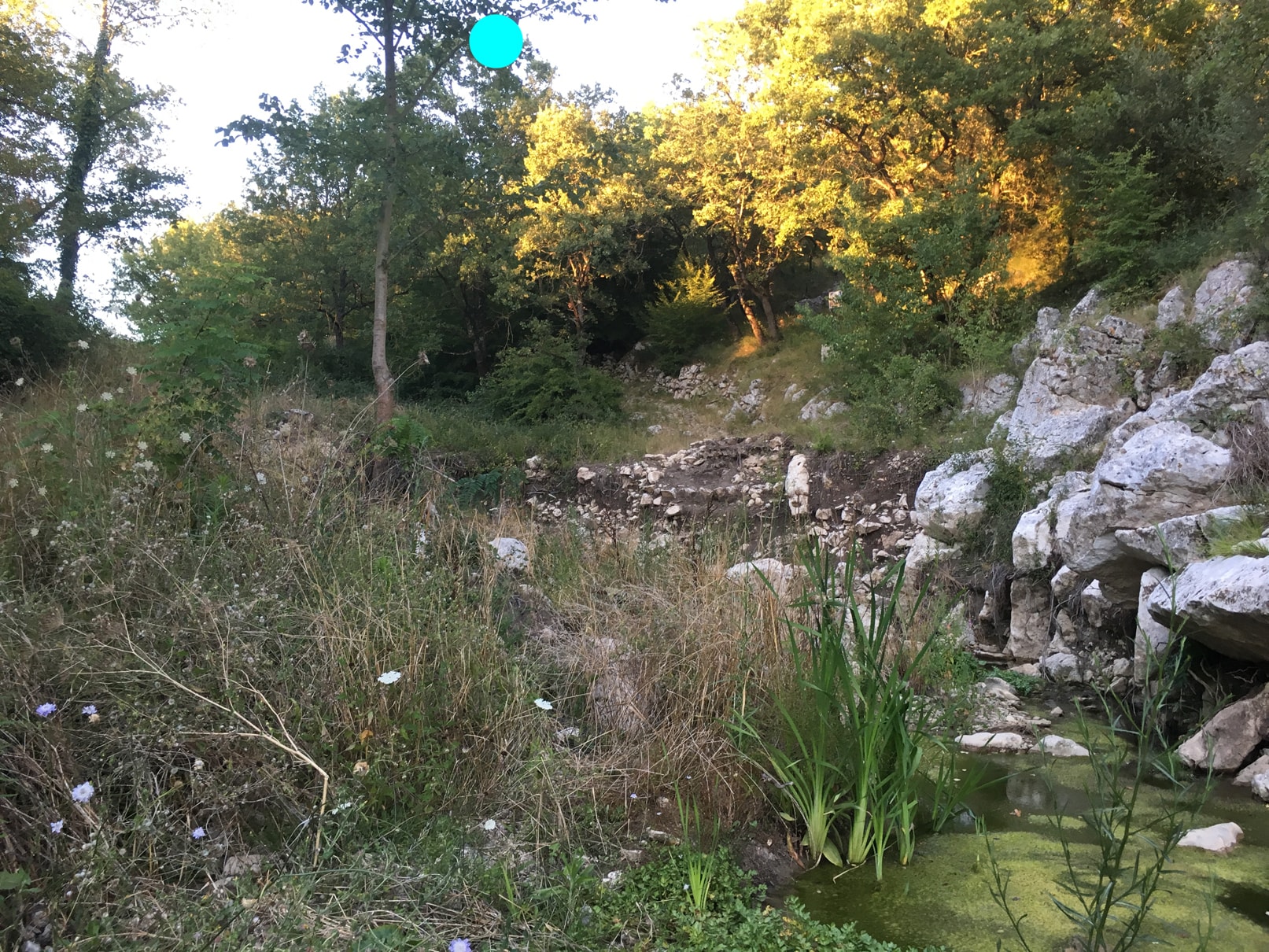
The best way to portray the changes to the landscape that this flood event made is to show you some before and after pictures and the re-construction that was carried out to open the walk once again to the public.

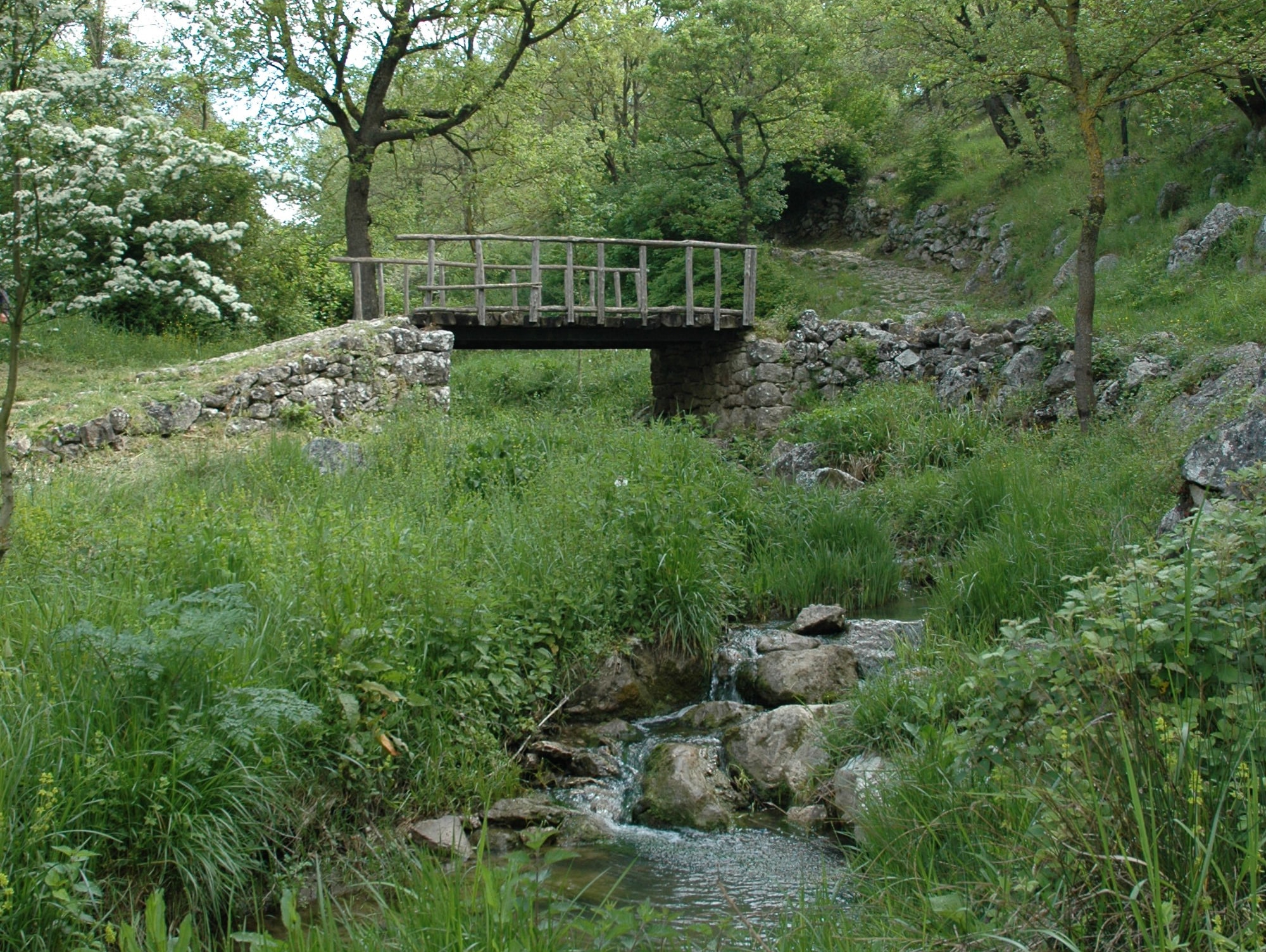
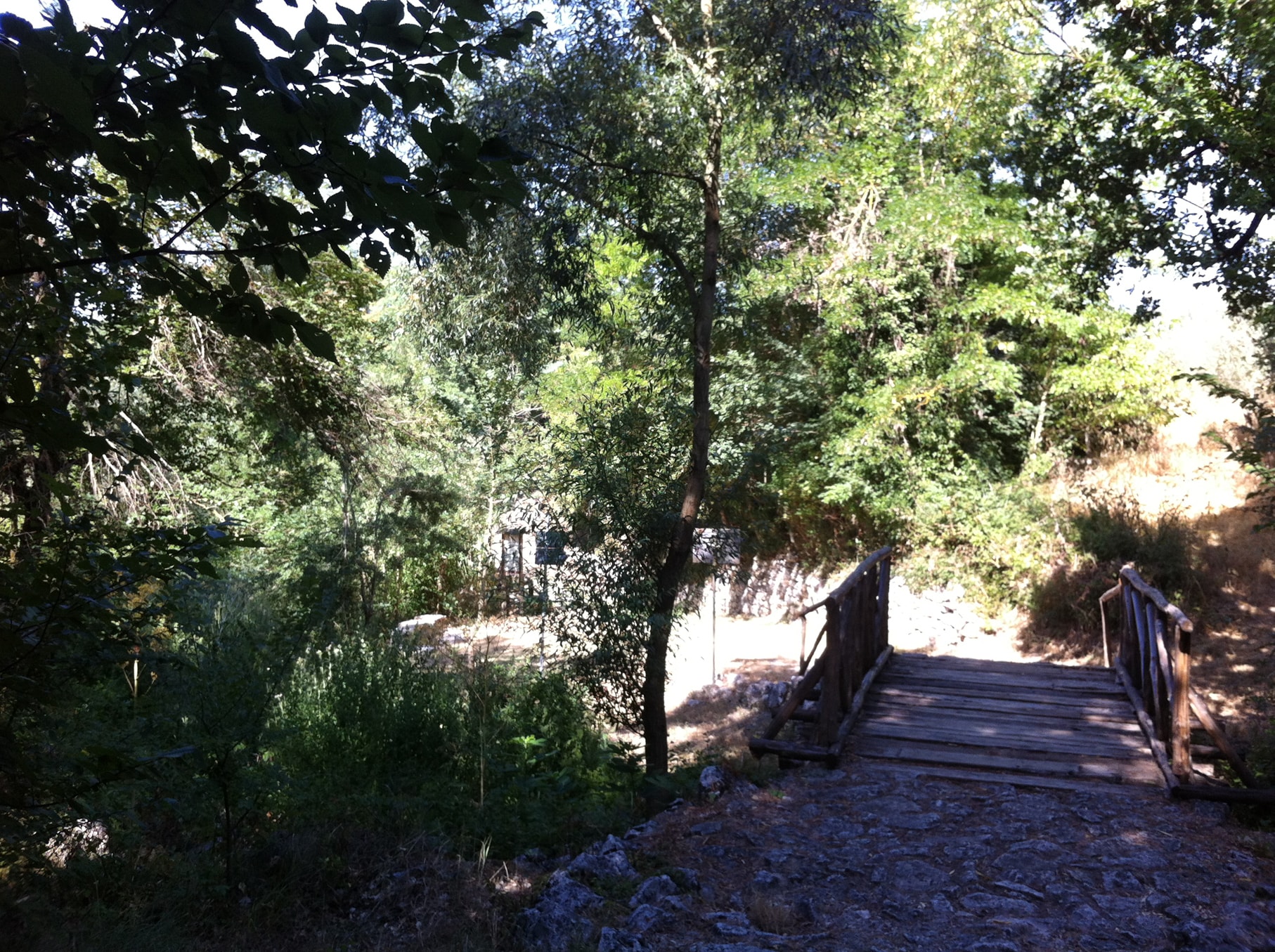
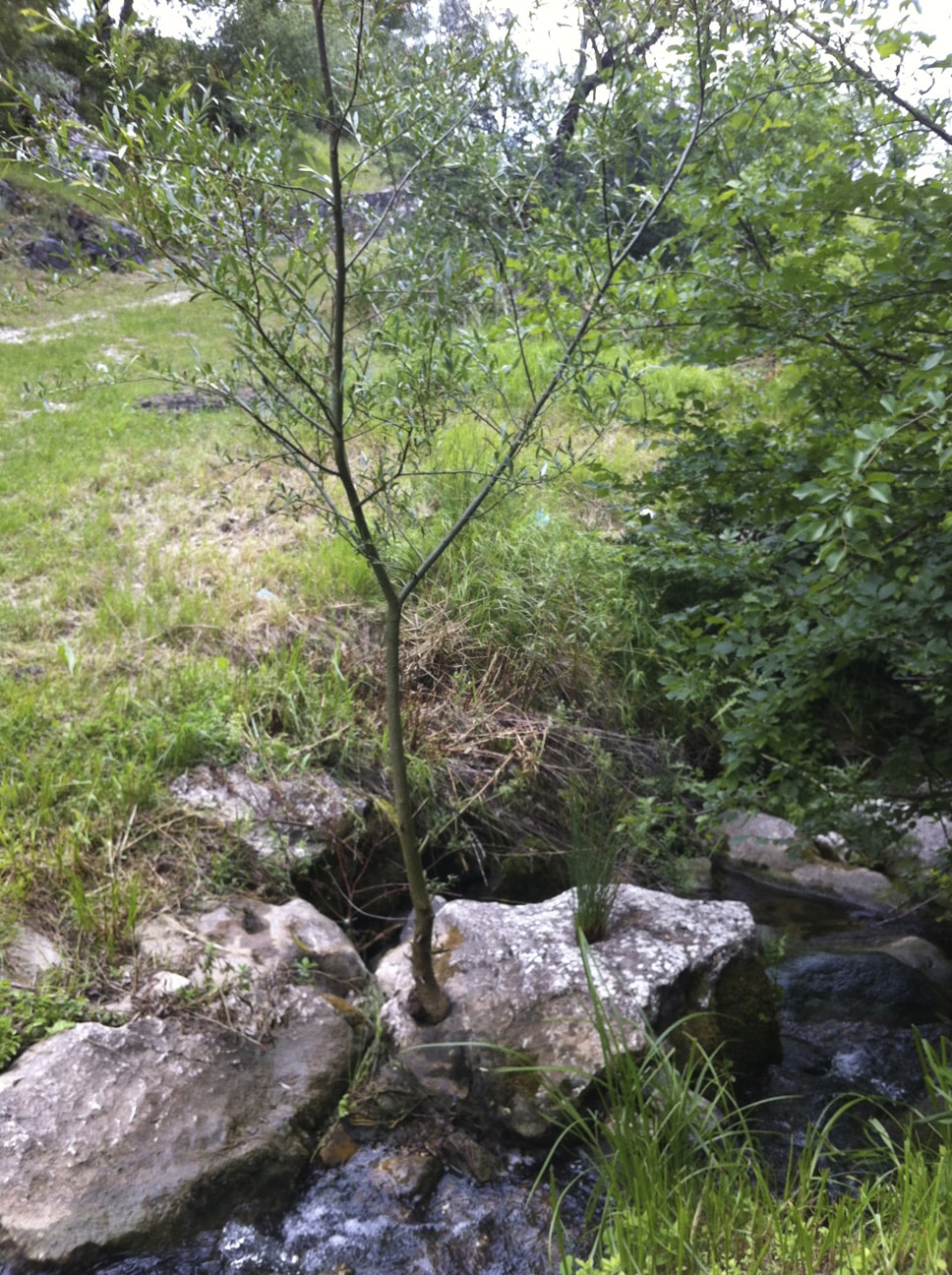
Before the flood

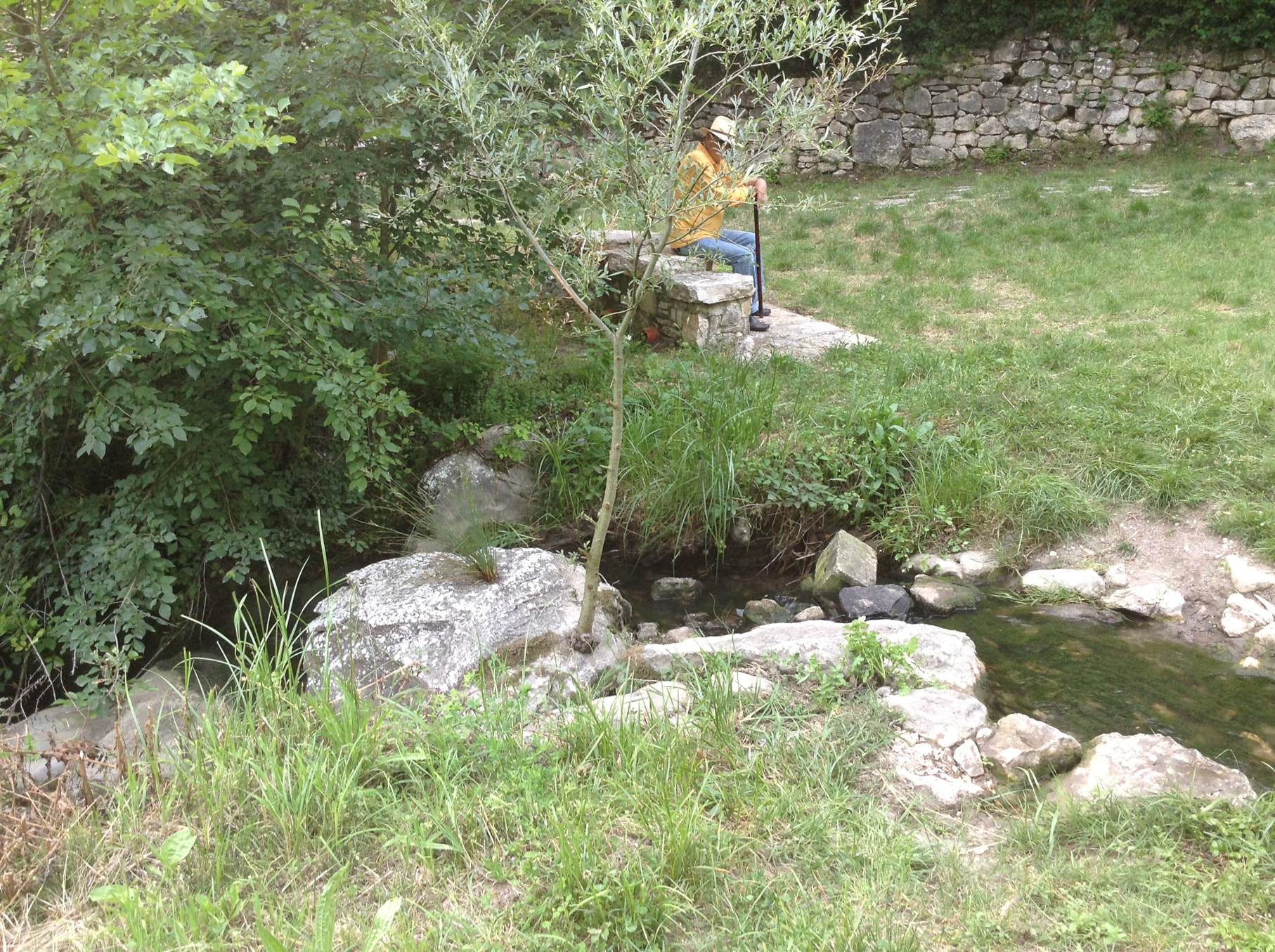
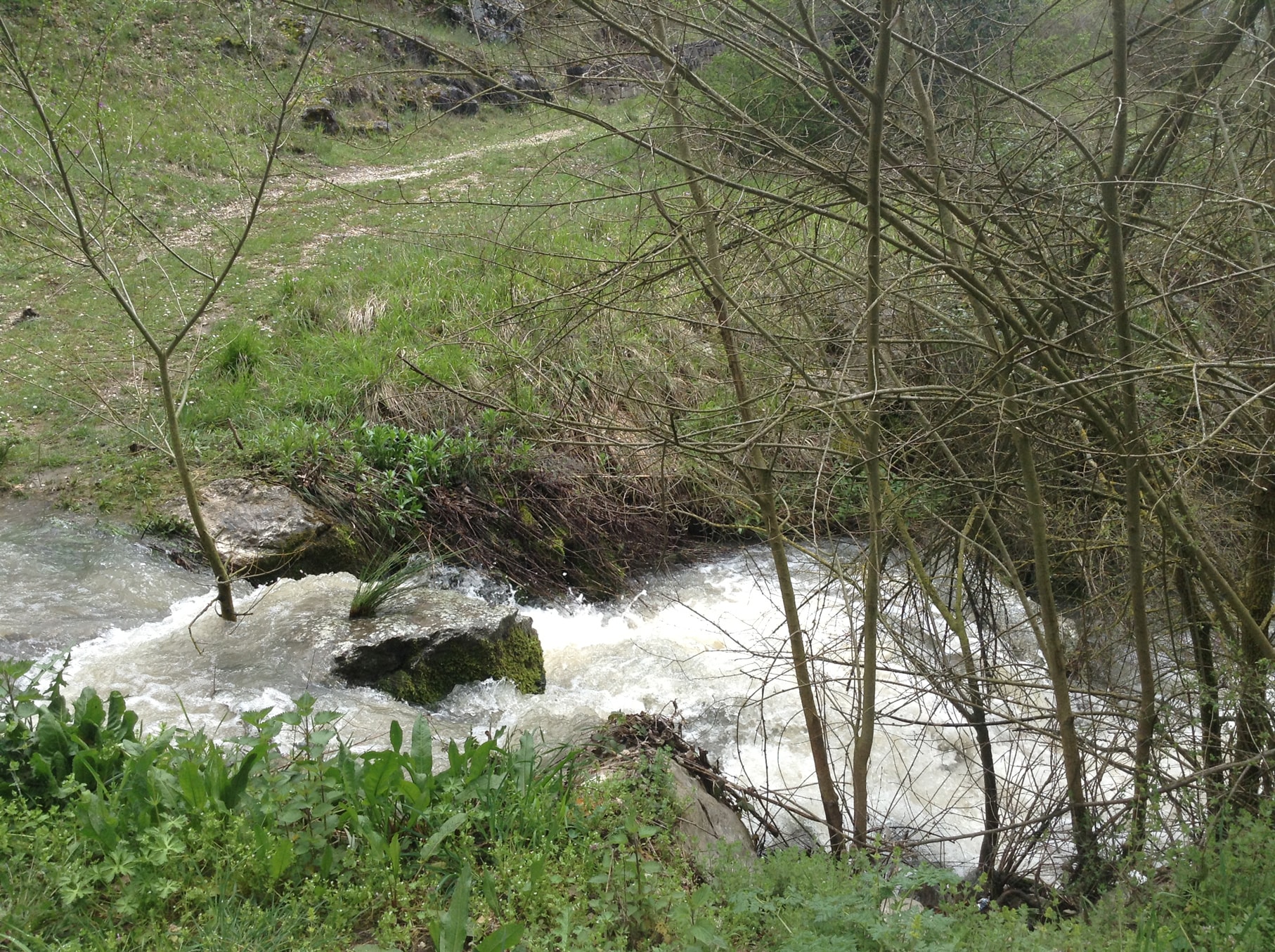
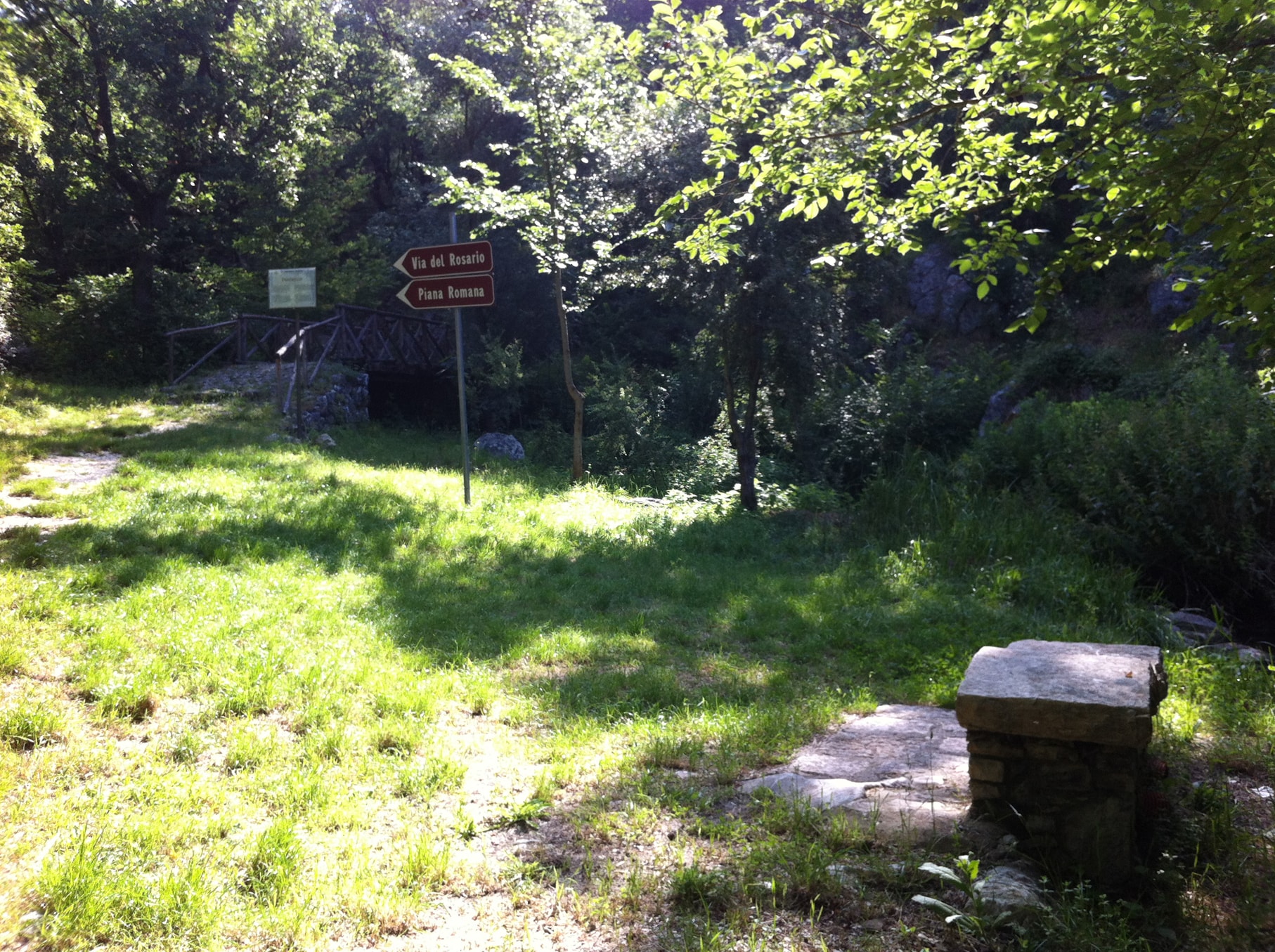
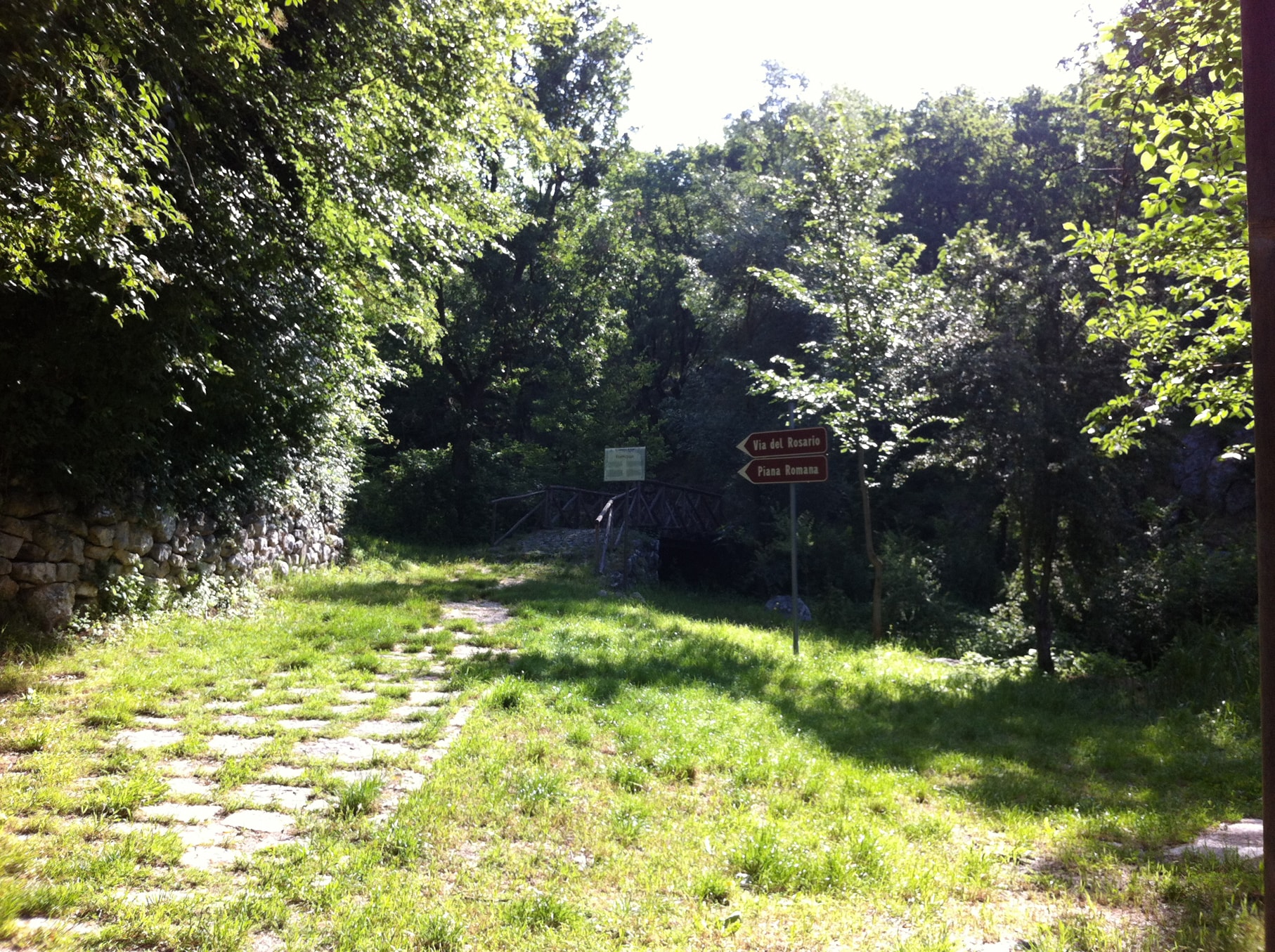
The first little wooden bridge Gently Flowing stream Normal fast flowing stream shaded near side of bridge Approach to bridge Looking back from far side Sapling safe in the rock

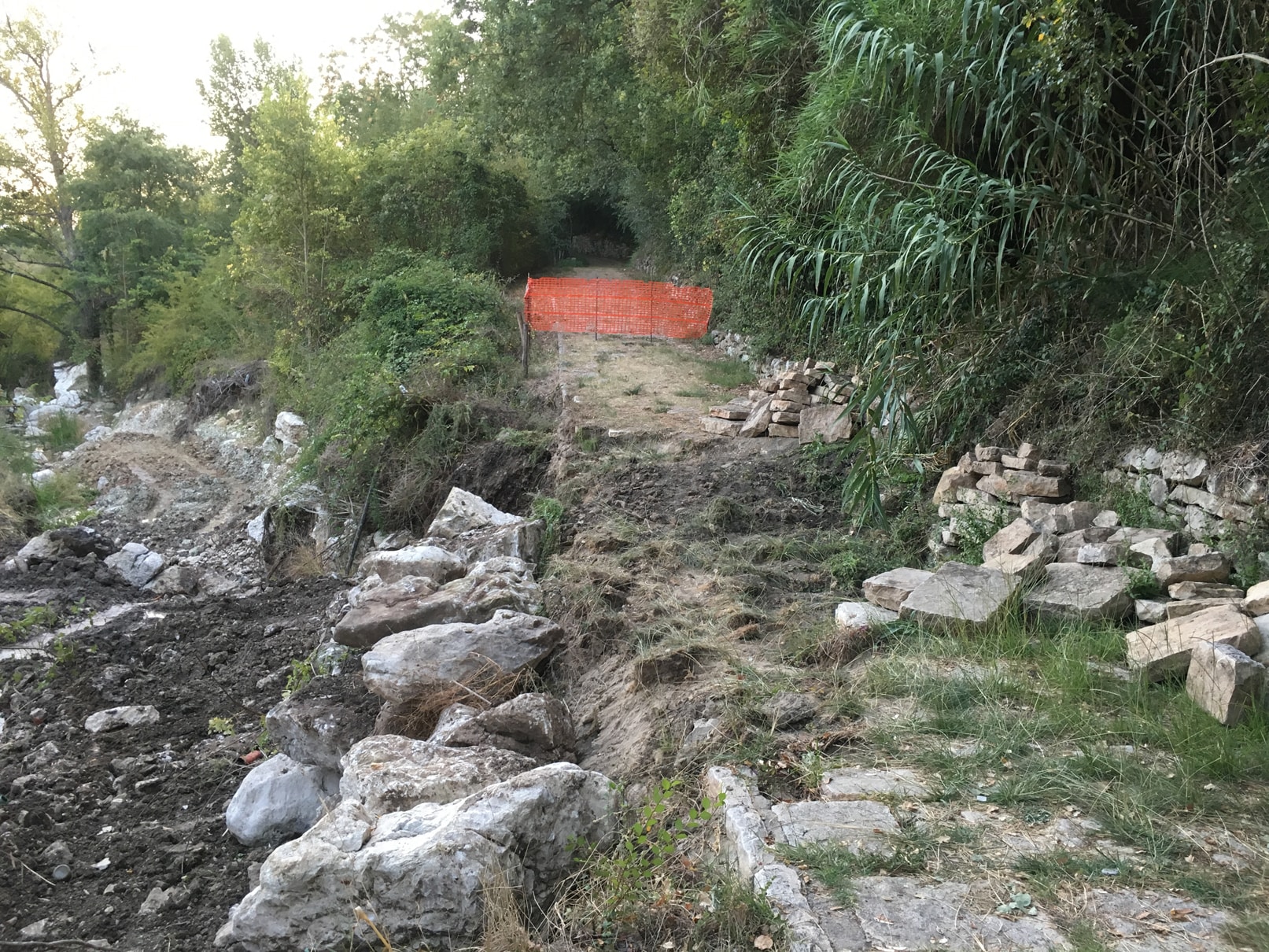
The Flood Damage and Reconstruction

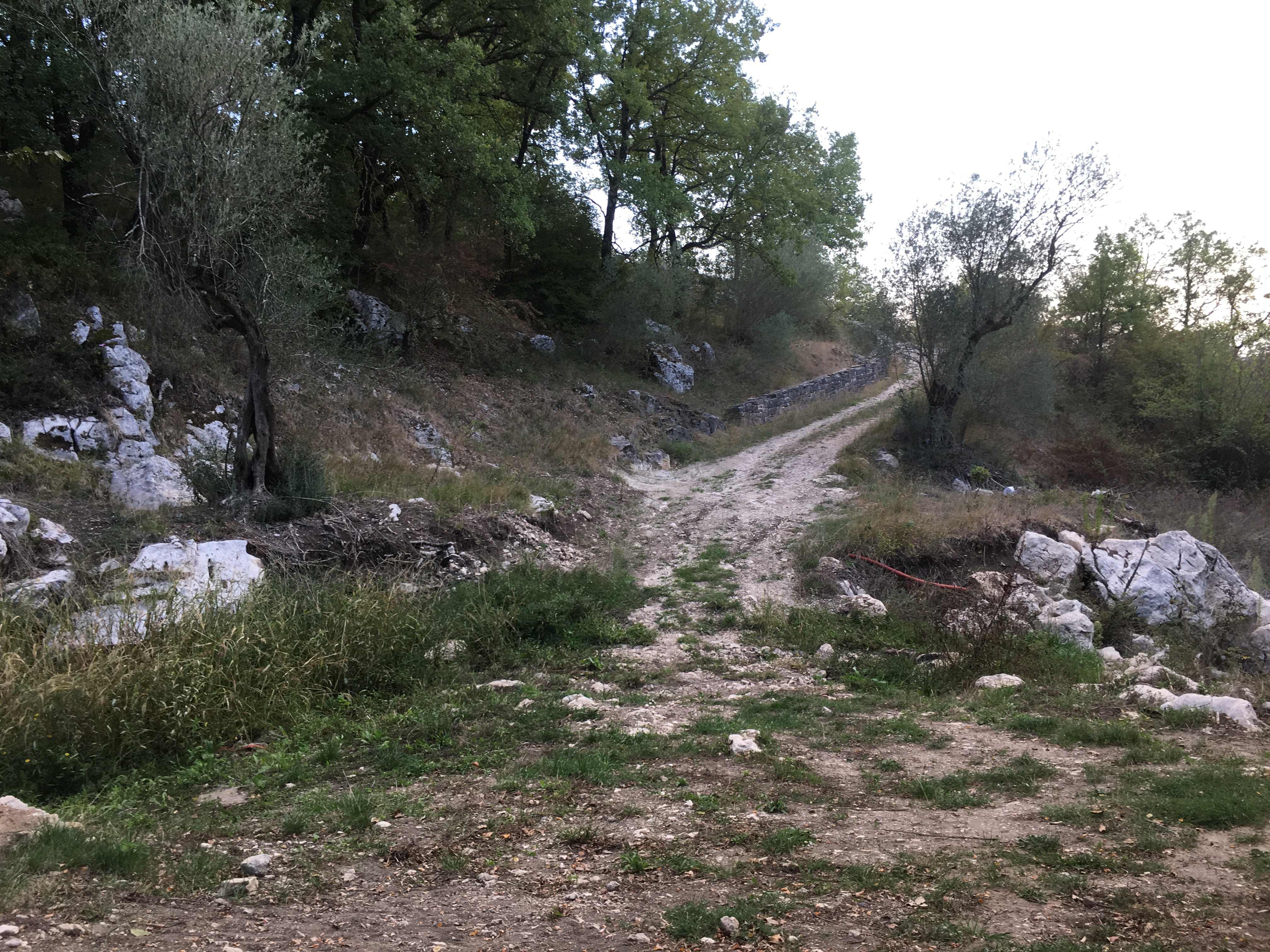
The closed Rosary Path Temporary Re-directed stream Where the bridge once stood Close view showing the Station of ‘The Transfiguratio’ Start of building the bridge Stream trickling through further down Close view of the new bridge Reconstructed path and Bridge

Happily, the bridge and the rosary walk are once again open to all

Deo Gratias

Behind the Scenes – Dressing the Statue

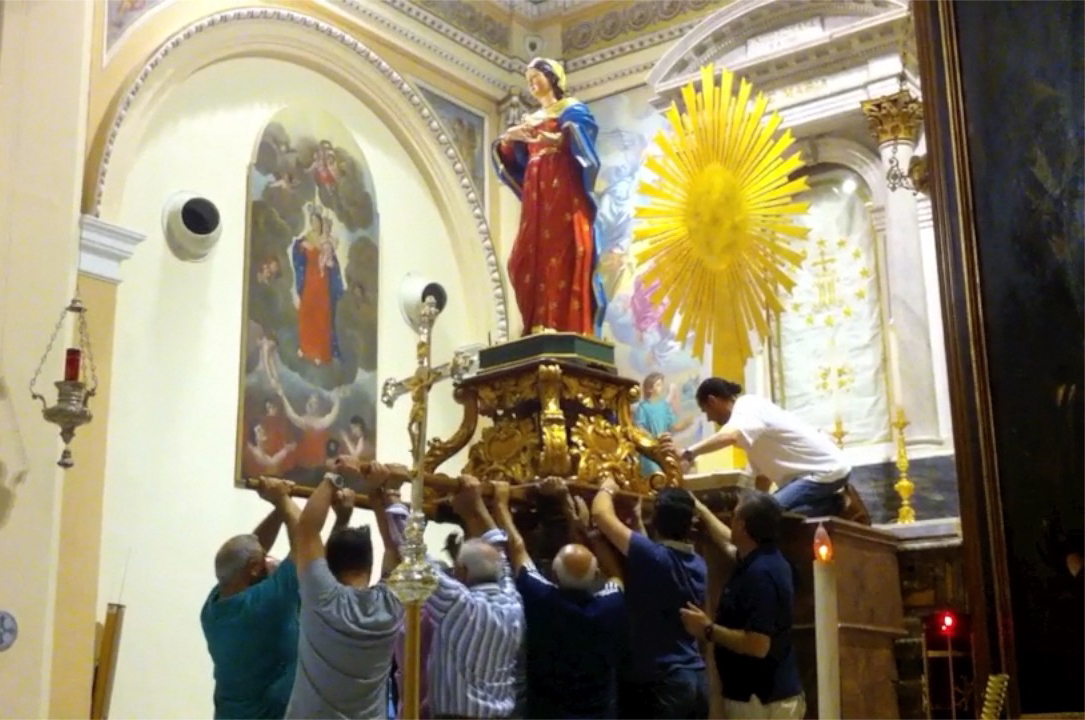
Preparing the Statue in Pietrelcina

It is the Friday evening at the start of the Festa of Madona Del Libero in August in the town of Pietrelcina.

Outside there is a concert going on in the Piazza Maria SS Annunciata. Inside the Parish Church of Our Lady of the Angels, where St. Padre Pio said his first mass, there are people quietly watching a quite different event.

The main doors of the church were quietly closed but those already inside were welcomed to stay and watch.

It was August 2013 and I was happy to record the event.

Here is what I filmed

A pleasant discovery at the hospital

Sacred Heart Hospital Main Entrance

This is a quick update on my first blog post about my visit to the Sacred Heart Hospital in Benevento which I wrote on the 6th June. I meant to follow it up quickly but events got in the way. (all good…)

So, on the 8th June I returned to the ‘Good Brothers’ hospital’ to see how my broken ankle had progressed. Praise God, they removed the cast which was driving me crazy!

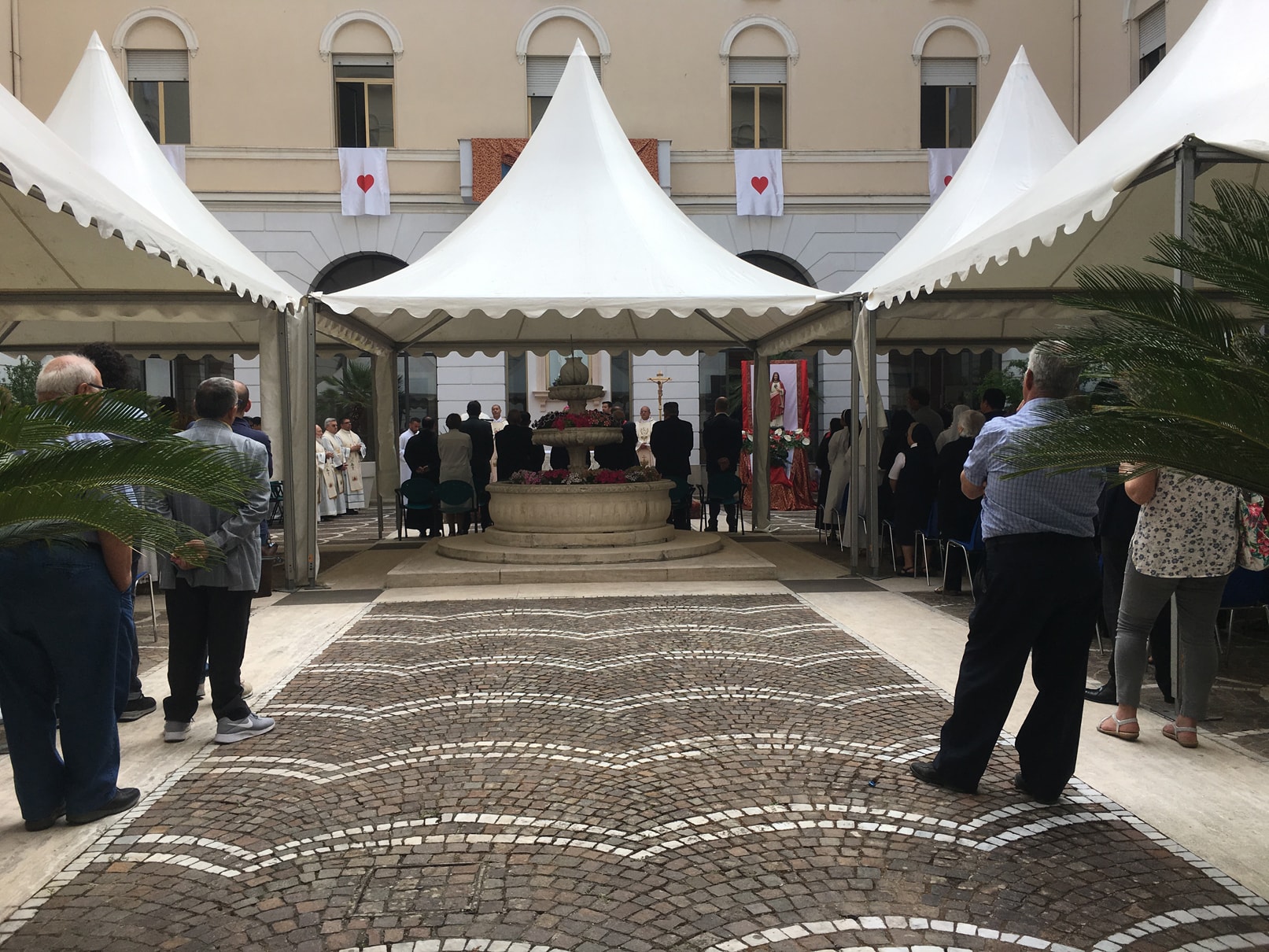
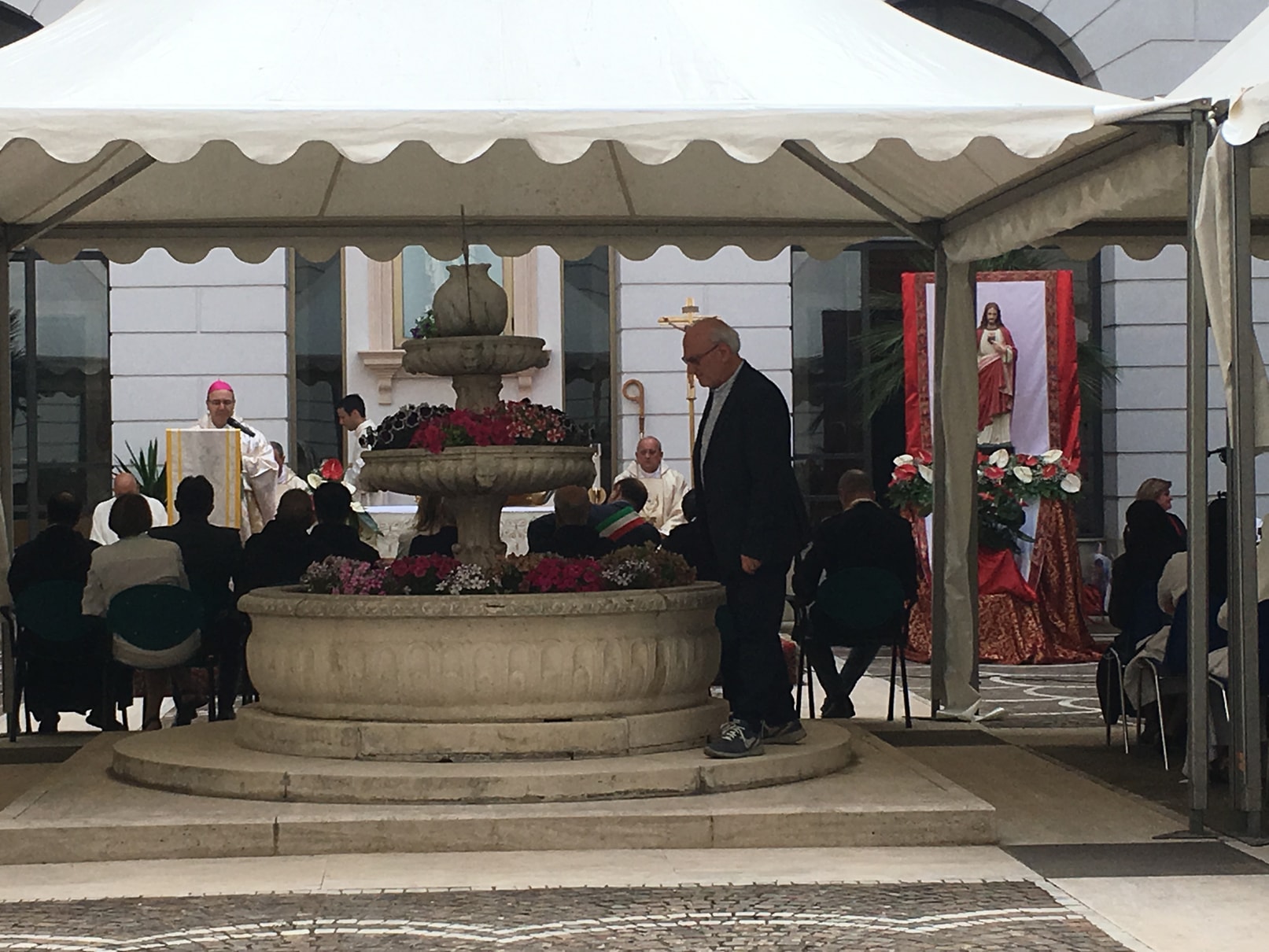
As I we were leaving, we noticed many people downstairs in the outside terrace and discovered that there was an open-air mass going on with several celebrants including a bishop. We then discovered that this was the feast day of the Sacred Heart of Jesus and, since the official name of the hospital is the Sacred Heart Hospital, this was their special day.

How lovely it was to see such an open celebration of the presence of God in the midst of humanity. This was a good way to leave behind my discarded cast.

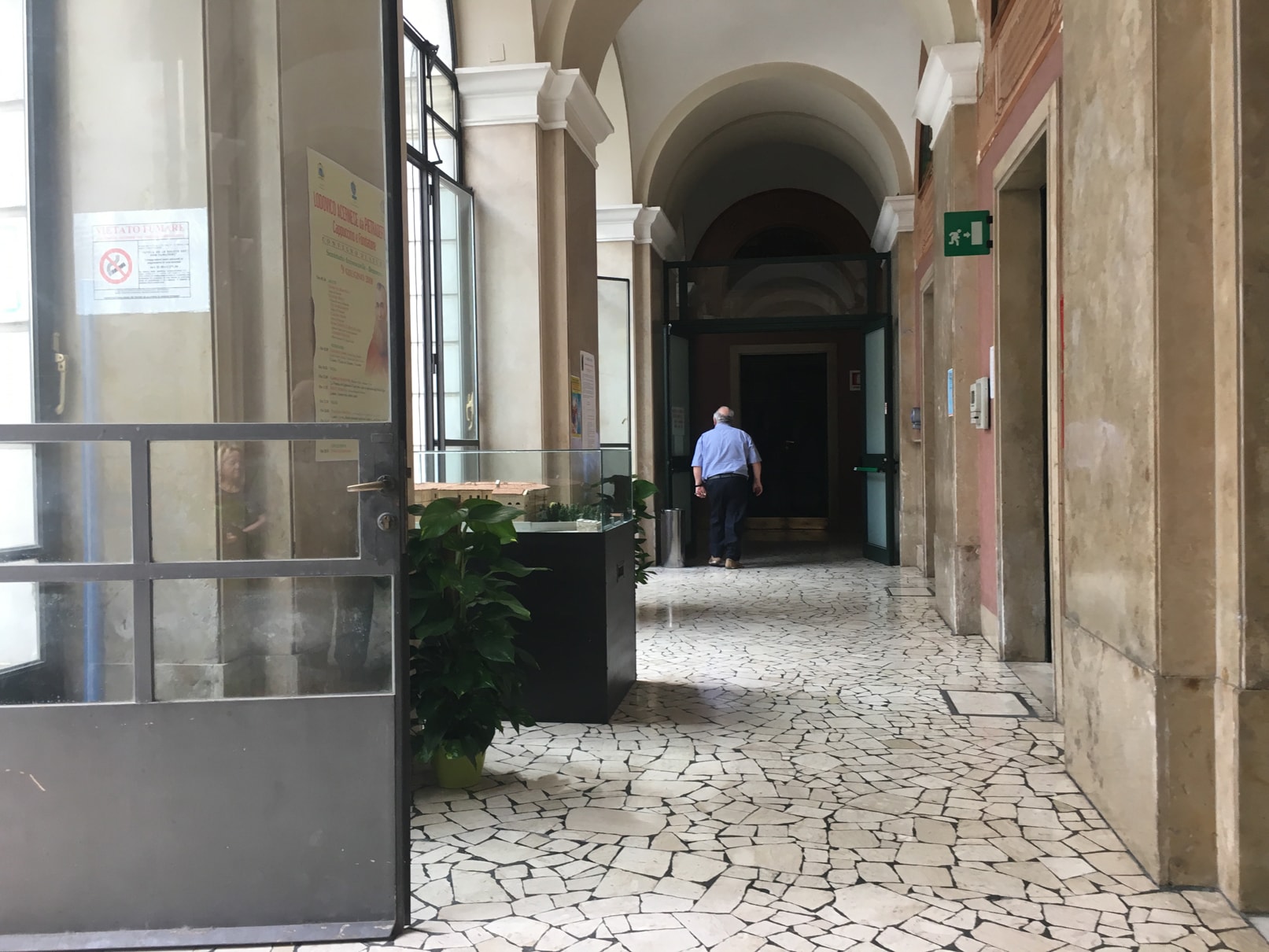
Mass at the Sacred Heart Hospital Benevento Mass in the Hospital Courtyard Corridor at the Sacred Heart Hospital in Benevento Hospital Corridor next to the central courtyard Close view of the mass at the Sacred Heart Hospital in Benevento Close view of the mass

Rosary Walk

The Rosary Walk Pietrelcina

The Rosary Walk has always been one of our favourite features in Pietrelcina. Firstly let me explain what it is and how it came about.

Pietrelcina is quite a small town set amidst undulating countryside which surrounds it like a folded blanket of green fields and wooded areas. It is very picturesque but, for a farming community, causes one or two problems. Most villagers owned small parcels of land which were handed down through their families and these were scattered widely about the area.

The Forgione family owned a small plot of land on the wide, flat plain of Piana Romana (Roman Plain). They had built a small stone room where they stored some of the produce and also slept overnight if they had worked late and did not want to return to the town. 

Since he was a young boy, Francesco would walk along a well worn pathway, through countryside and woodland, with his family members. As they walked, they would recite the rosary. As Francesco grew up, he would follow this 3 km path many, many times, always reciting the rosary as he went. 

This pathway has now been partly paved and the mysteries of the rosary displayed on tiled stands at intervals along the way. This is ‘The Rosary Walk’

Retracing Francesco’s Journey

Let us take you on that journey, step by step, from the family home to Piana Romana

We start first at the Forgione home, the birth place of Padre Pio. 

Entrance of Family Home


Inside the family home of Padre Pio

On this same street he lived in later life as a Franciscan Friar and Priest for six years.

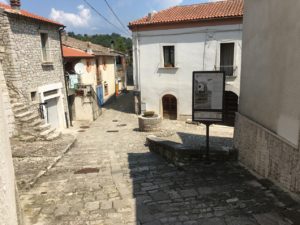
The Castello region is the highest point in Pietrelcina Town so he would at first walk down the winding slopes and turn the corner down towards the countryside.
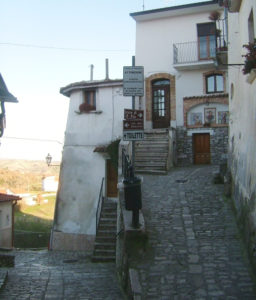
Street where Padre Pio Lived
Steps down from Castello

Going down more steps, he would pass by the oldest well in the village.
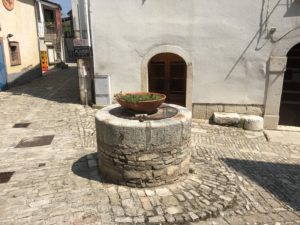
The Town WellIn fact, at one time, this well was the sole source of water for the whole town.
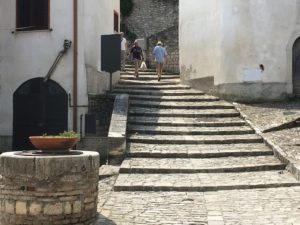

Steps down to the well


The Road past the Well

This is the official start of the Rosary Walk which is marked by two large stones on either side of steps descending down to the first bridge and the start of the path he and his family would take through open countryside and woods. 

I assume the steps would have been much rougher in his days but now they are beautifully paved and have a viewing terrace half way down. 

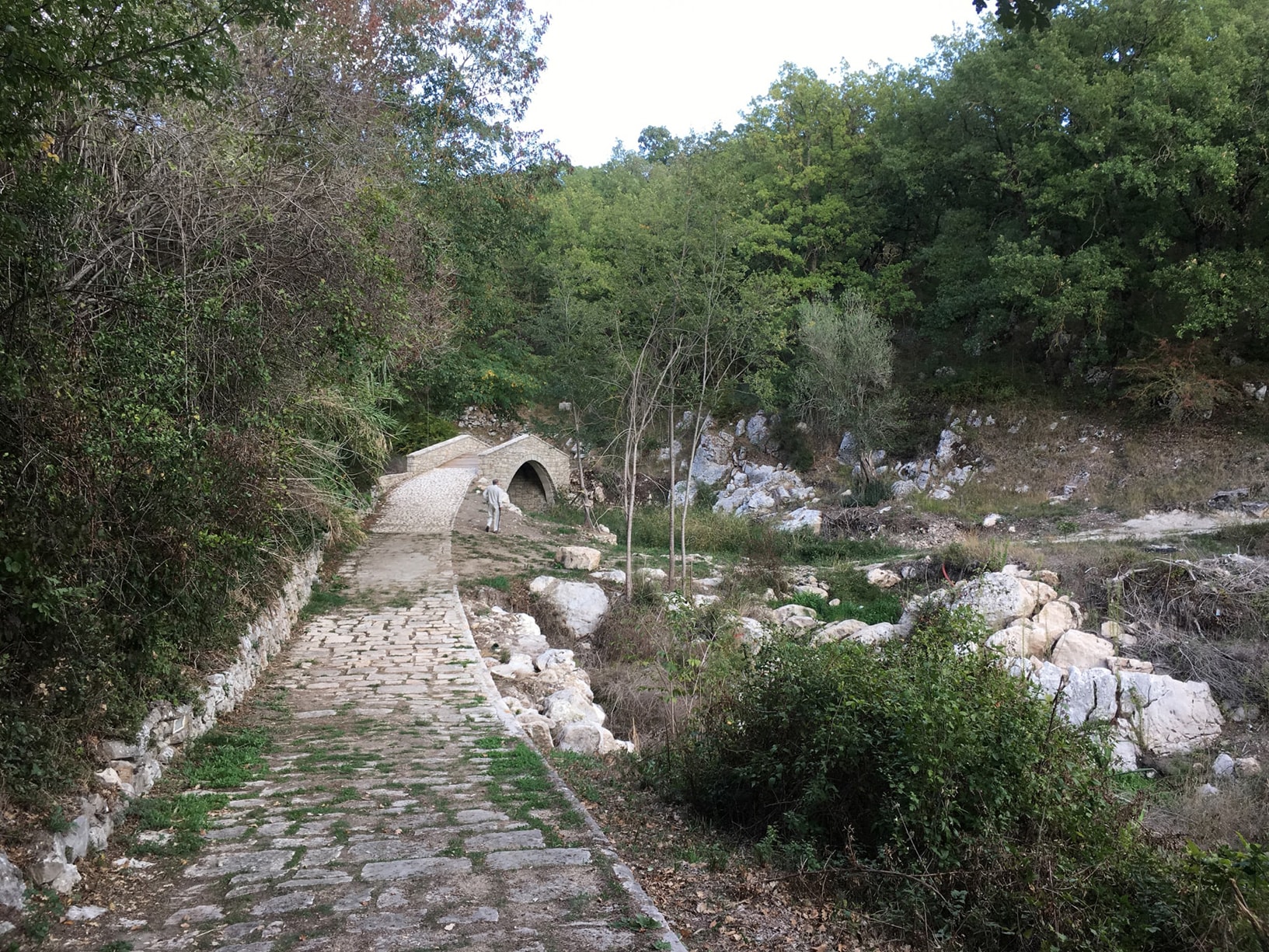
The bridge at the bottom was damaged by the flood of October 20014 but has been repaired since.
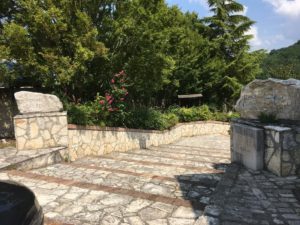
Start of the Rosary Walk
Reaching the Rosary path

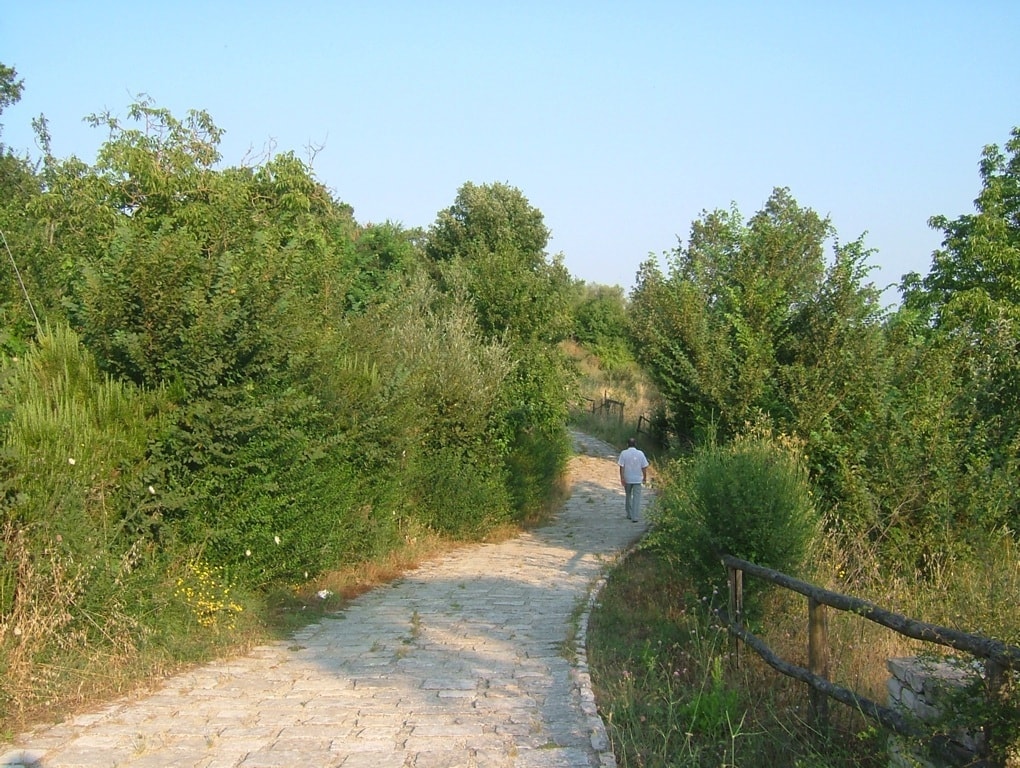
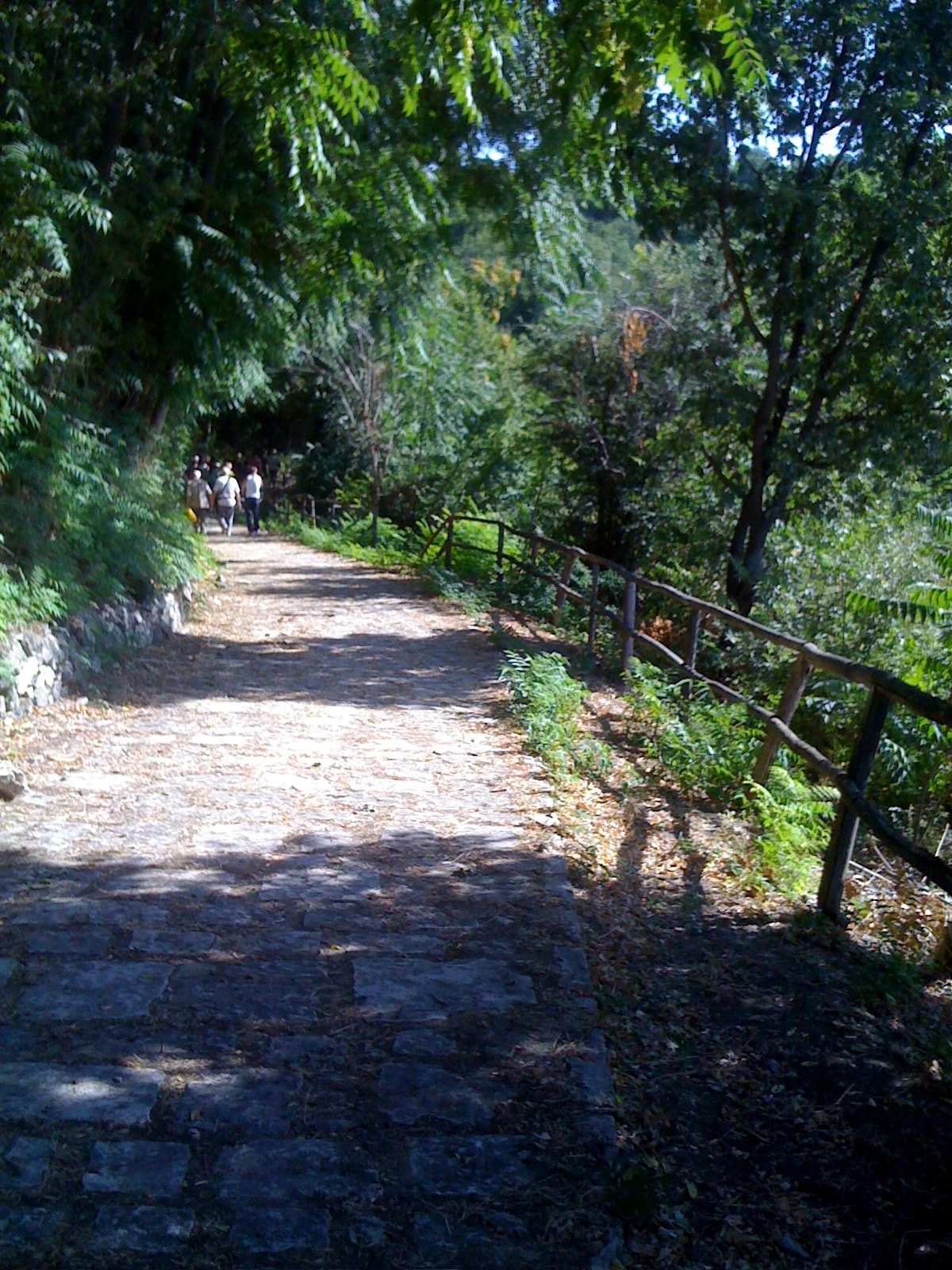
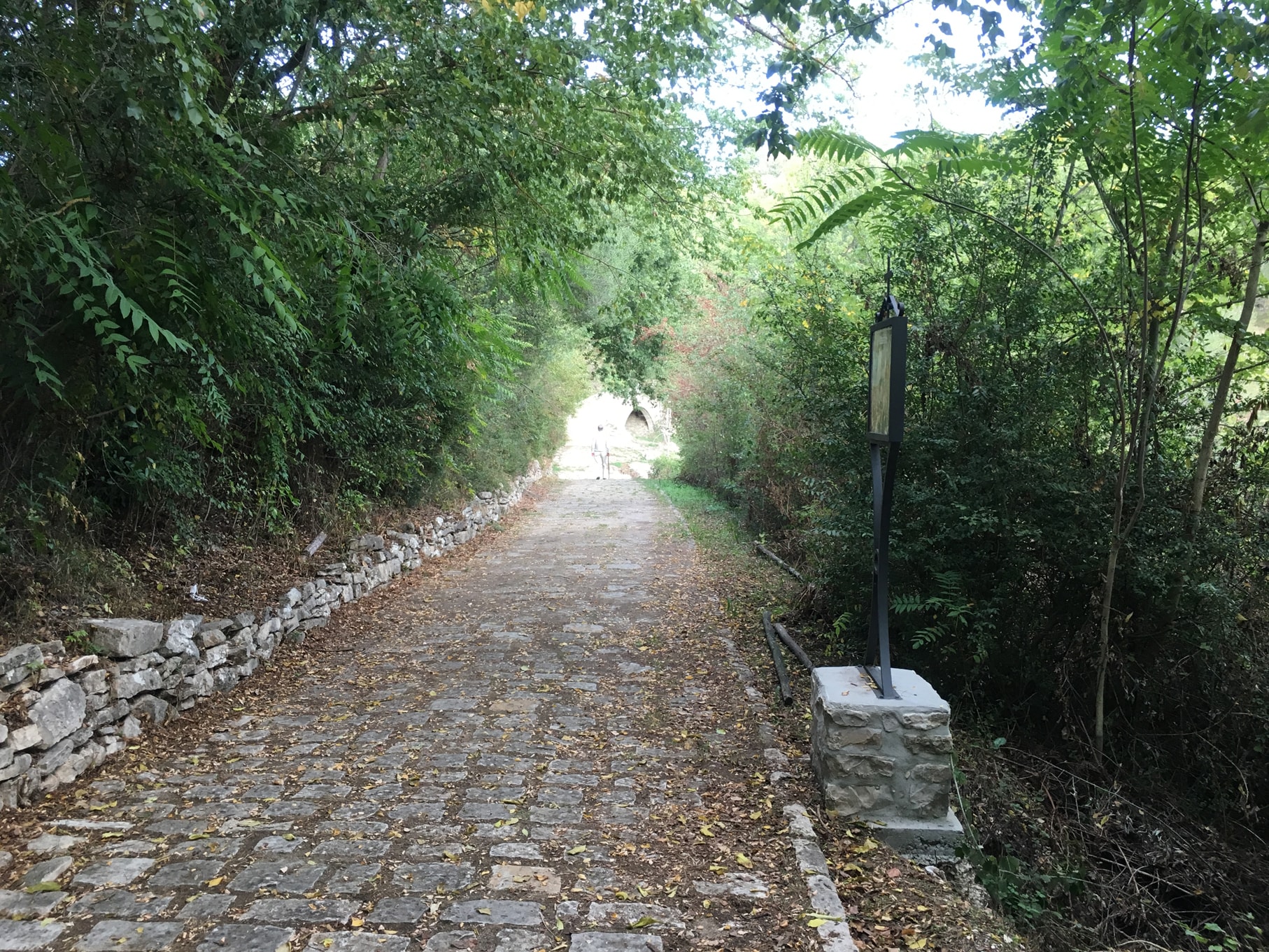
The path through countryside and woods
Start of the path Flat path for now Continuing along the path Starting to climb Nearing the top Onwards through woods Looking through trees Nearing the Bridge The new bridge

Walking from the town to the bridge is the less difficult part of the walk and we did it very often, stopping there to say our rosary before turning back to town. It would take us about 20 to 30 minutes to reach the bridge as we did not hurry or make any great effort but took the one hill at a leisurely pace.

This bridge has a special significance in the story of Padre Pio. The following account is well known in Pietrelcina:

Every day, after he had said Mass, he walked to Piana Romana. On his way he recited the breviary or the Rosary. He greeted and answered courteously all those he met. One day, on the little bridge he had to cross, he beheld the devil in horrible form waiting there in a threatening attitude to attack him and throw him into the ravine. Padre Pio hesitated fearfully for a moment, but soon pulled himself together, made the sign of the cross and put the devil to flight. Piana Romana was Padre Pio’s favourite spot where he gave himself up to prayer and meditation and where he began to suffer the pain of the invisible stigmata…..  (from Pray, Hope & Don’t Worry – Issue 33)

Once you cross the bridge, the climb gets much steeper and the ground is rougher. You need a pair of good walking shoes and perhaps a stout stick to continue for the next 100 meters. 

To continue to the second part of the walk: click here

Or you can first read about what happened to the old bridge and then continue on the rest of the walk

Exploring the Riella Region

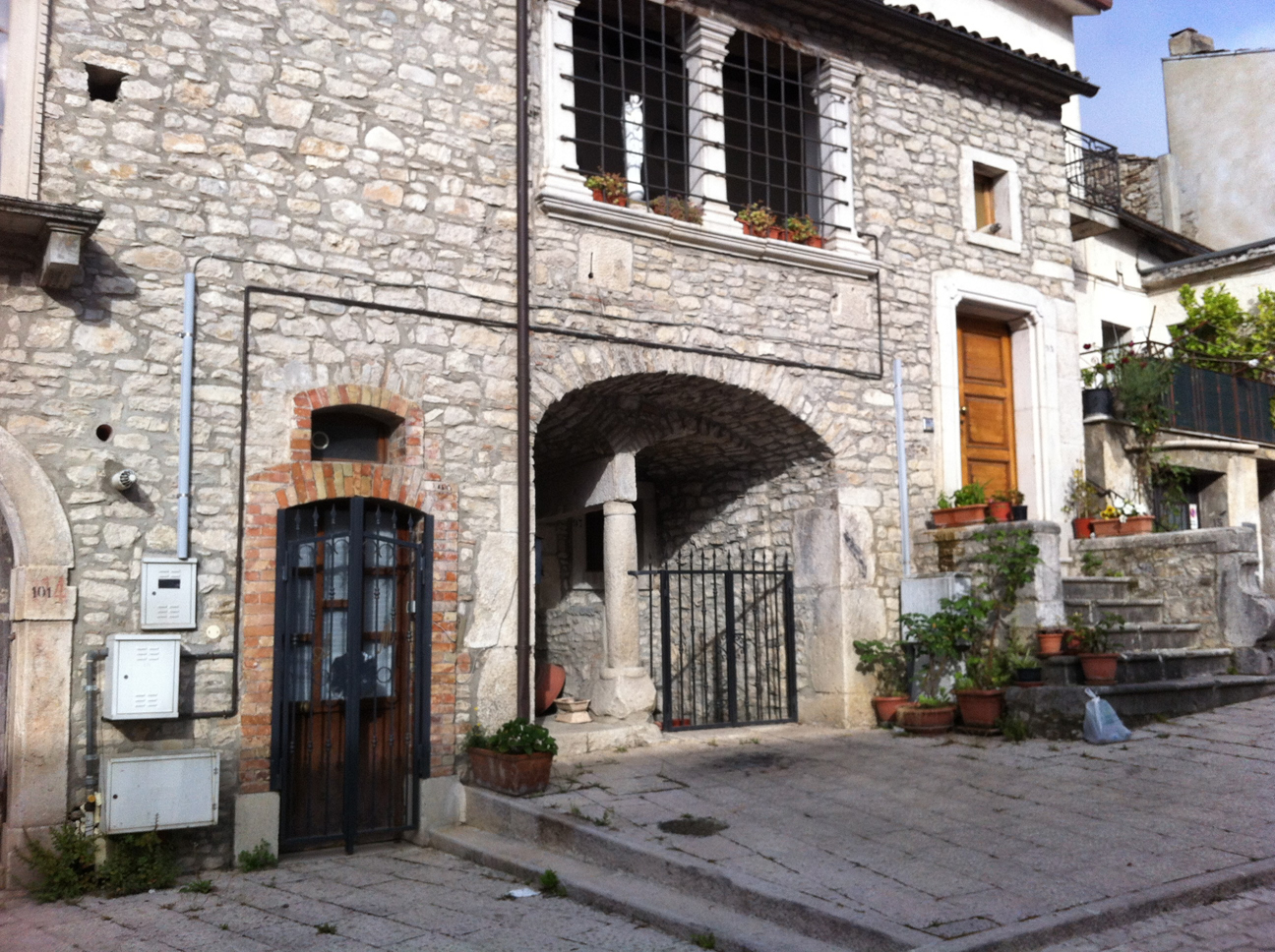
Houses in Via Riella

Riella – Pietrelcina Relaxing

This route takes us firstly to Riella, the area which joins on to the Castello and is one of the older parts of Pietrelcina.

Down this road is the convent of the Franciscan Sisters of The Immaculate who help to look after the Parish Church.

This video also looks at the various restaurants and houses in this area and then moves back up to the main square, turning once again and going down ‘Corso Di Padre Pio’

It is this street that is used for the stalls and attractions which are set up for the annual festa of Our Lady of Liberty which takes place at the beginning of August.

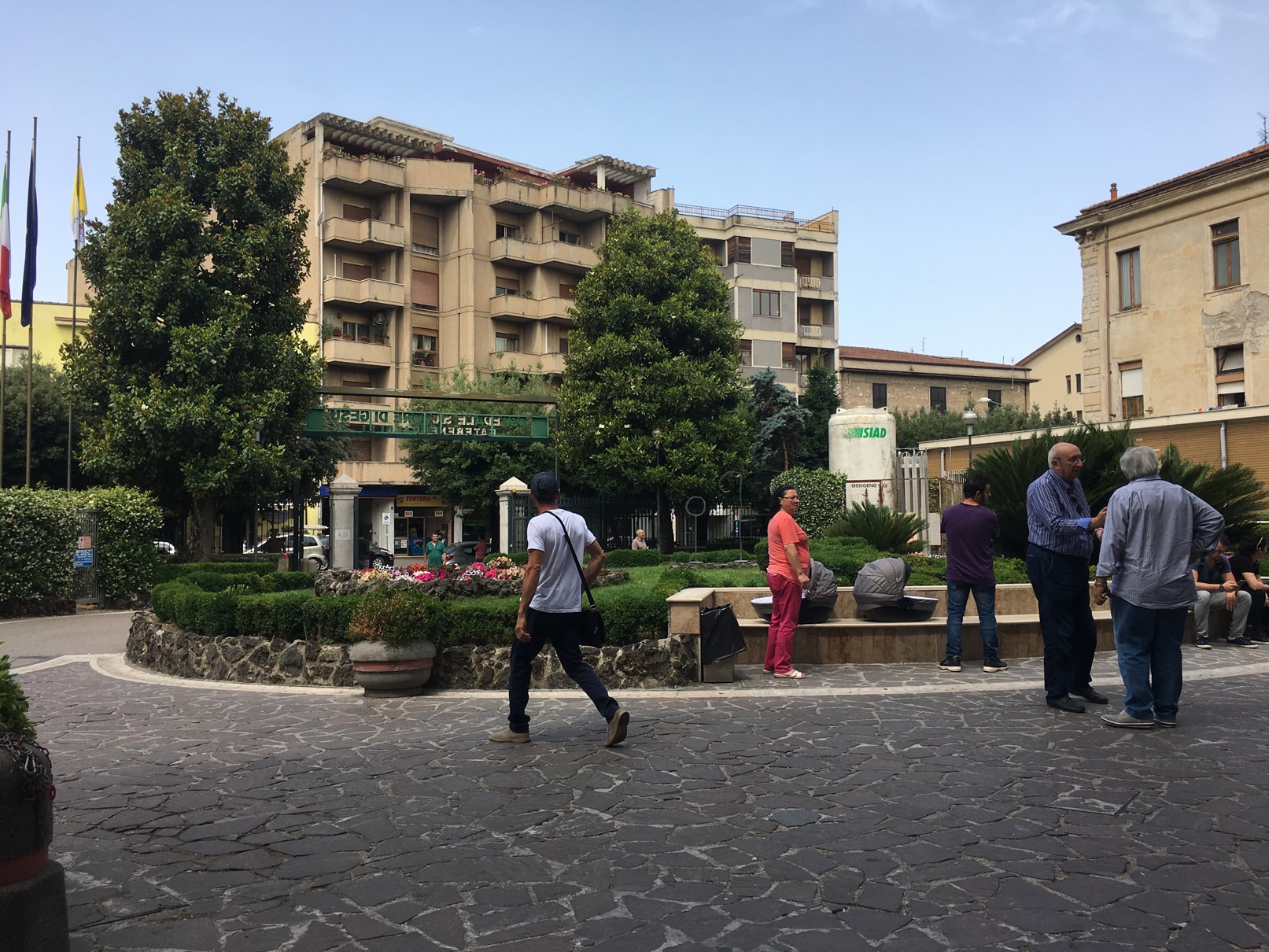
The video finishes at a popular meeting place next to the main square.